
Last updated November 16, 2026
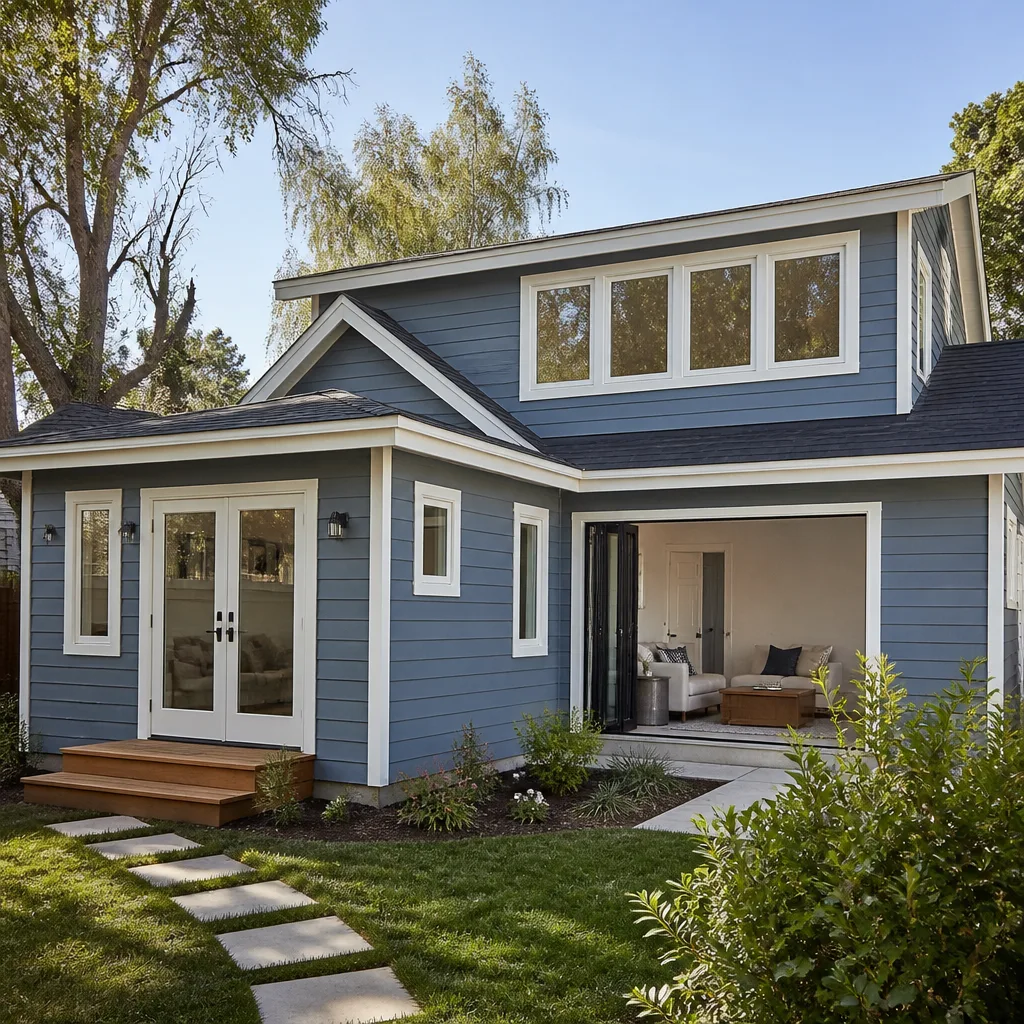 Home additions & ADU
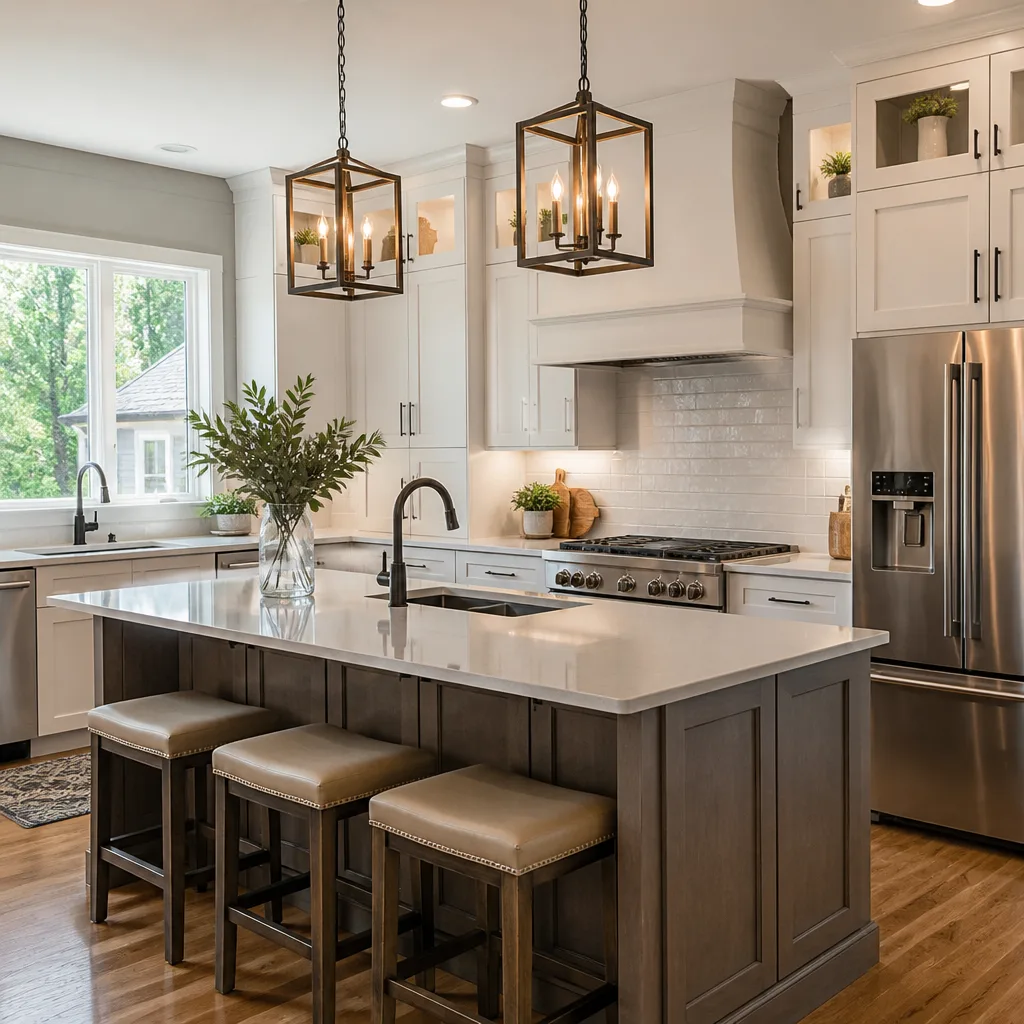 Kitchen remodeling
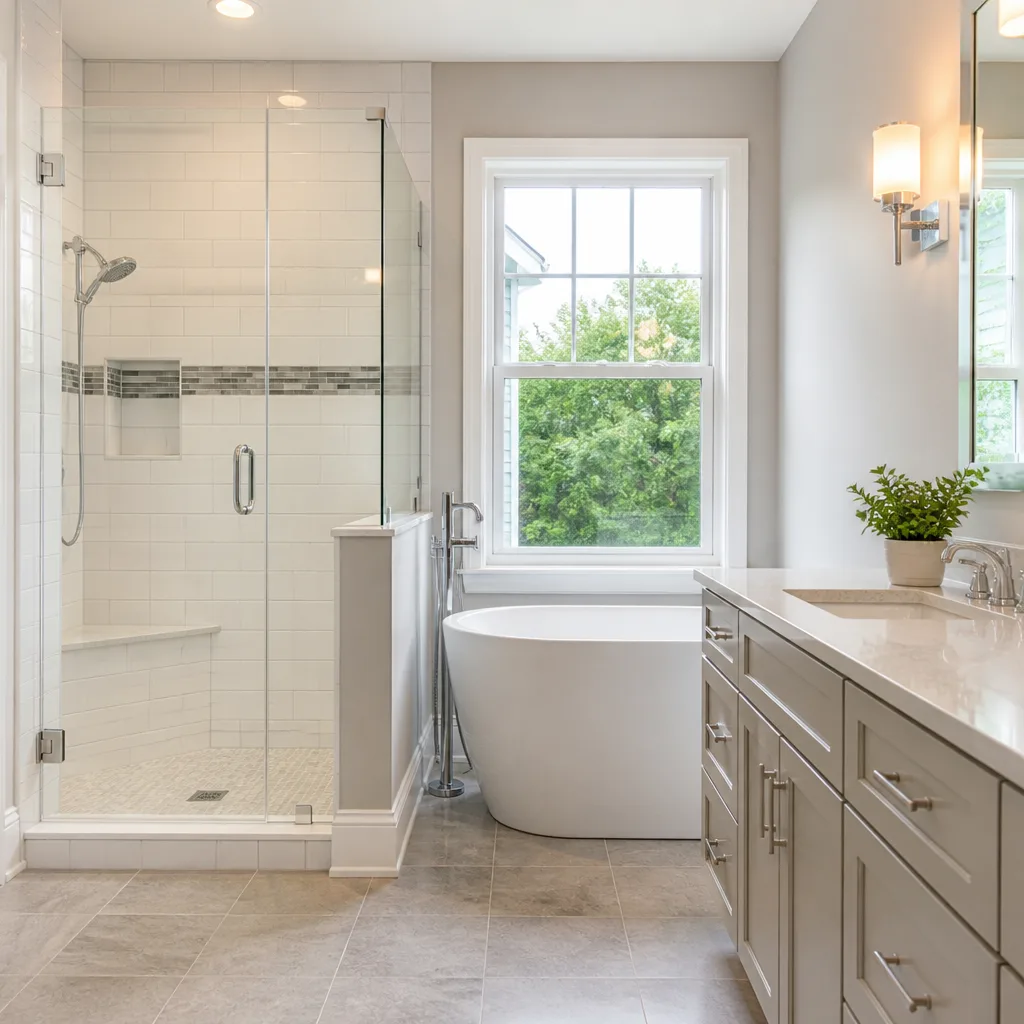 Bathroom remodeling
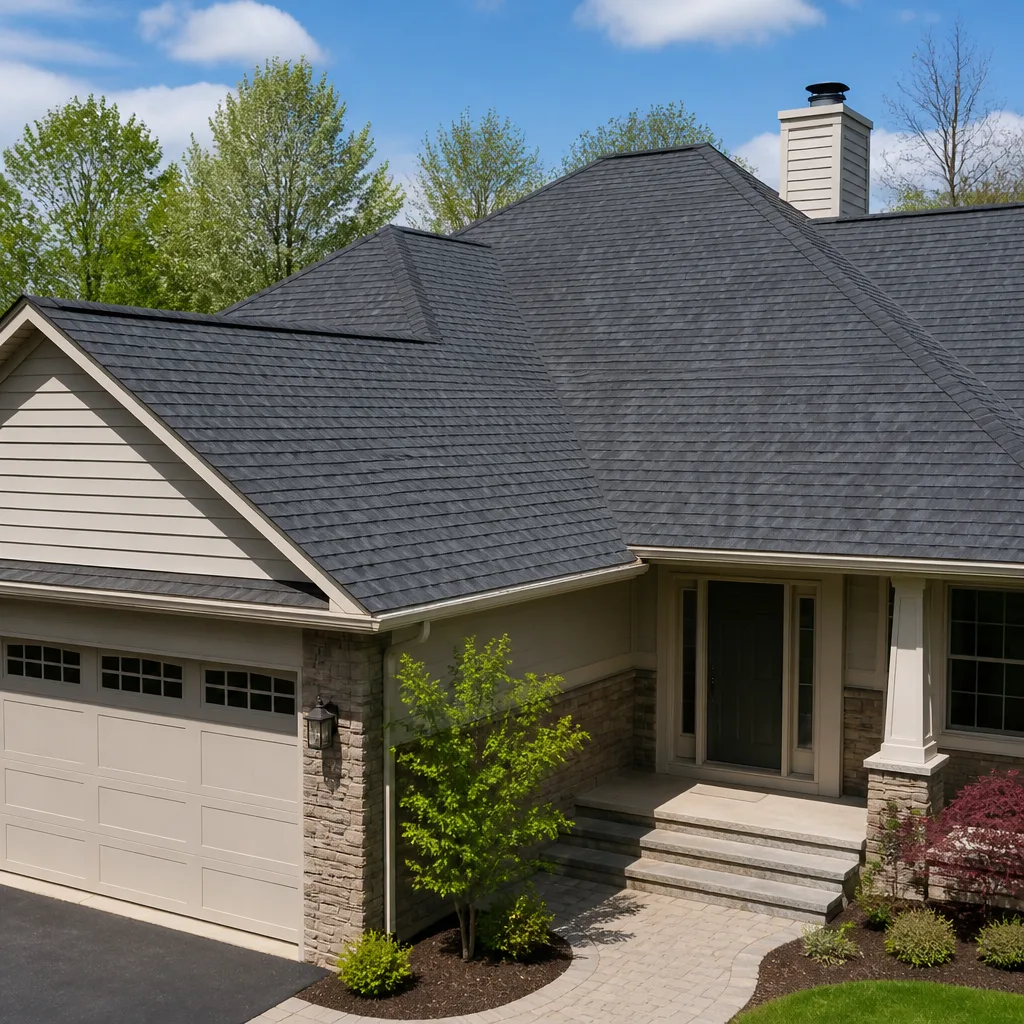 Roofing
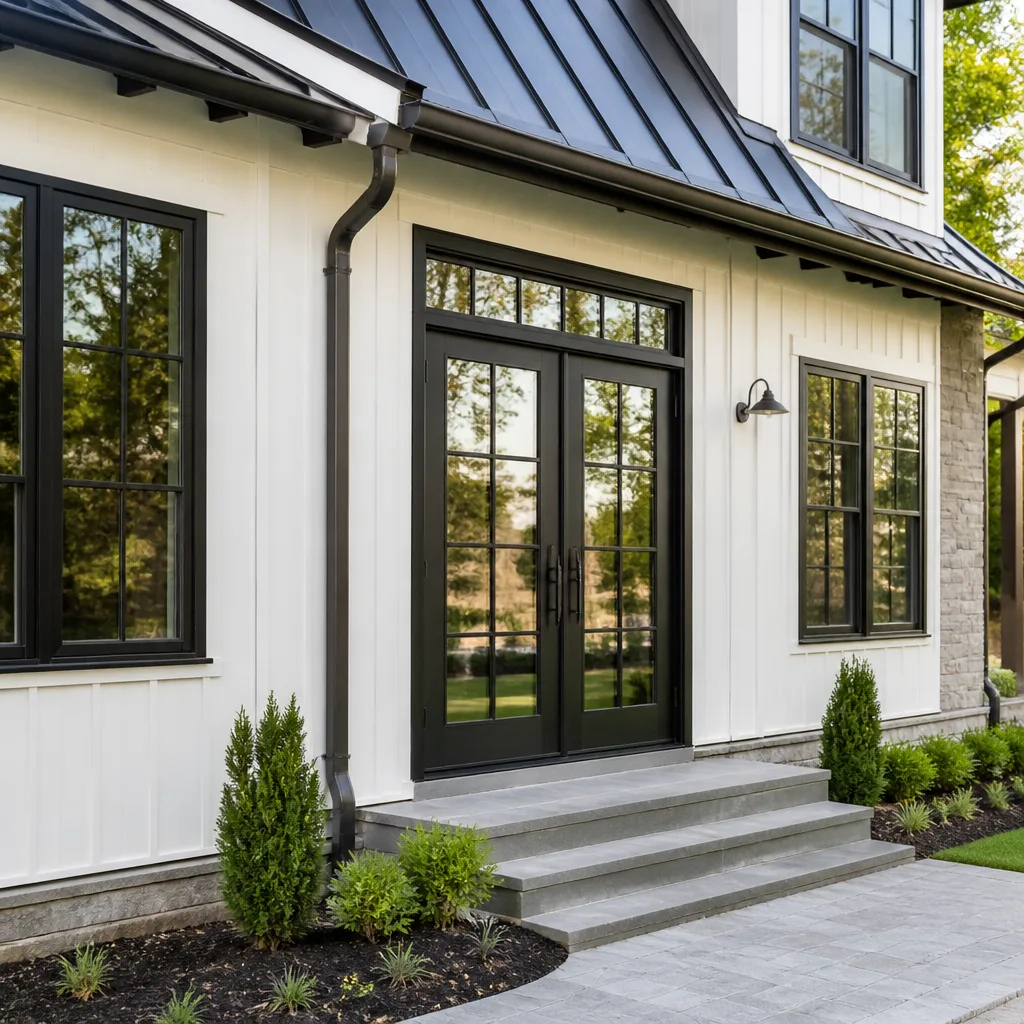 Windows & doors
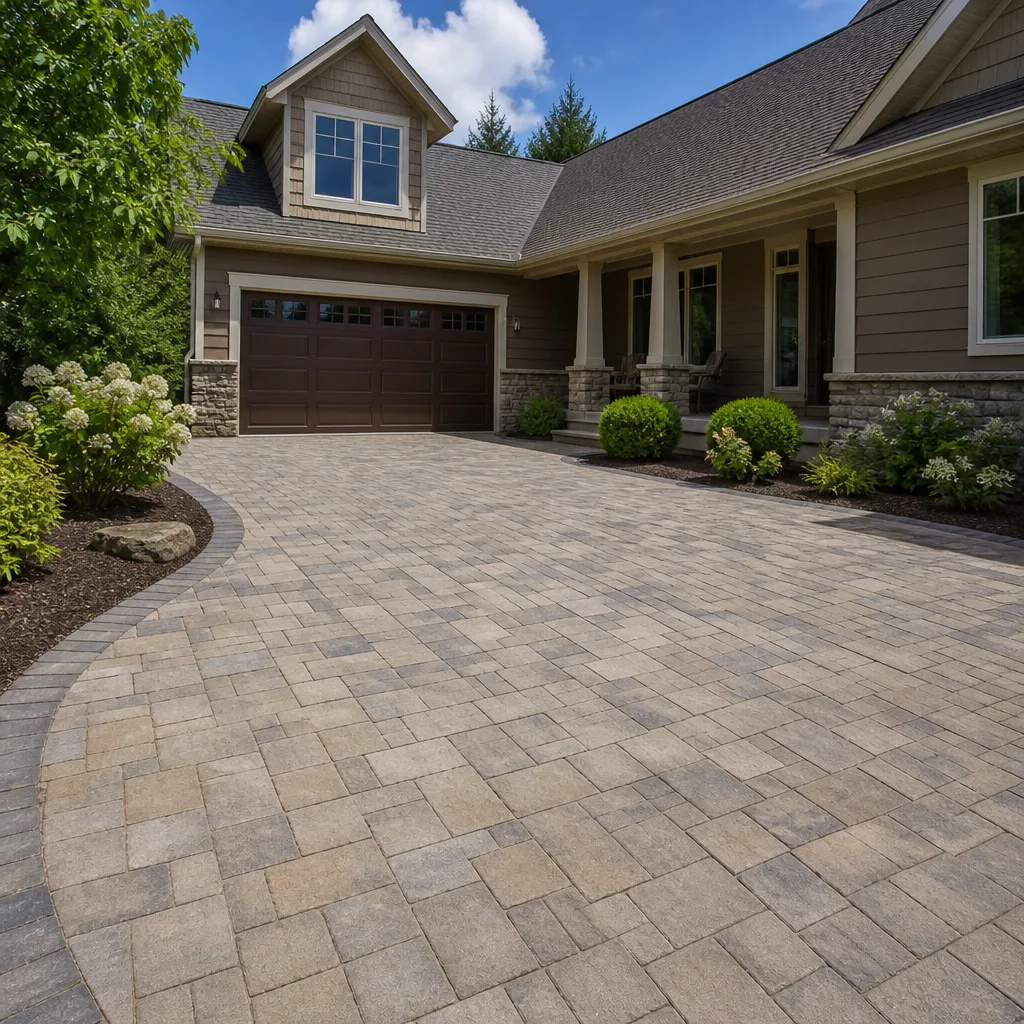 Driveway & pavers
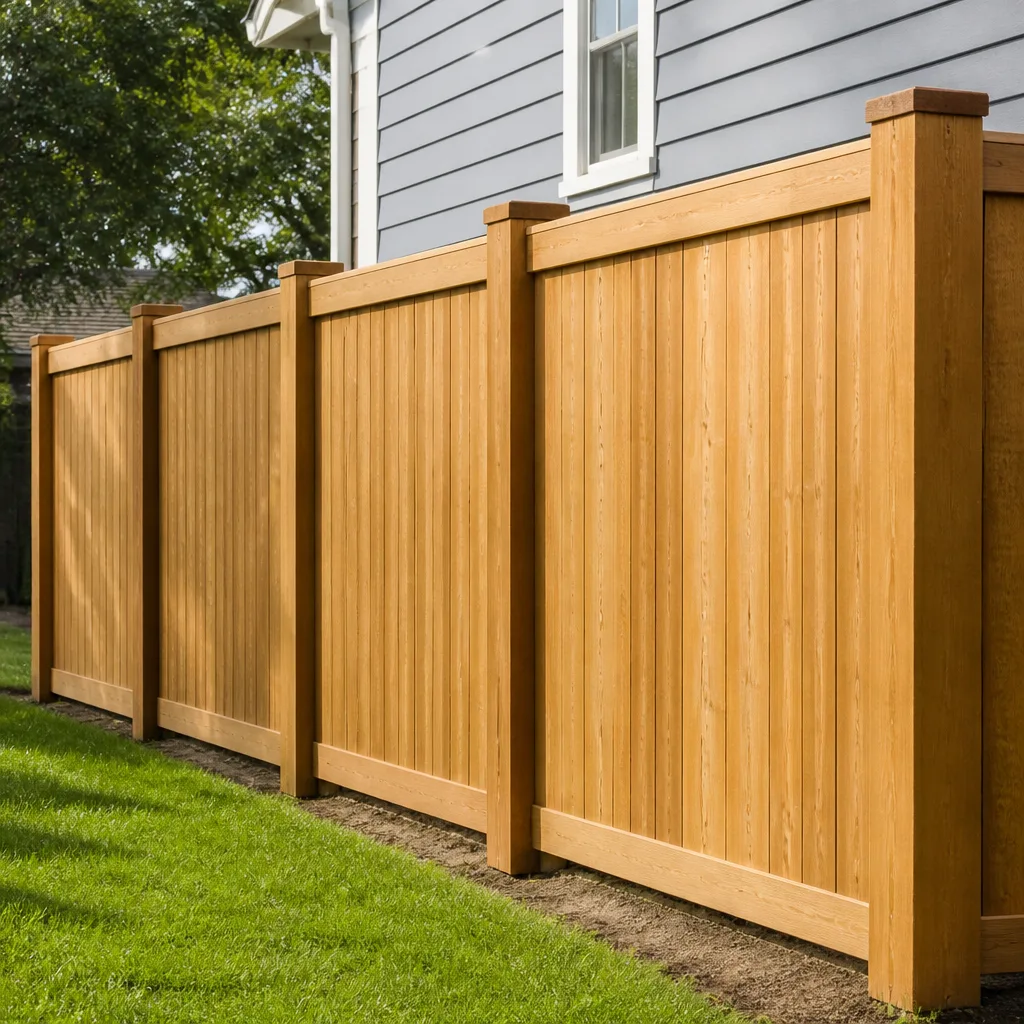 Fence
Free written scope consultation - allowances, timeline, and change-order rules on paper before a single trade is scheduled
Construction Cost Breakdown: The Miami Beach Homeowner’s Reference for 2026
You get a roofing quote for your Miami Beach home, pull up a national cost calculator, and the number on the screen is thousands less than the number on the paper. Before you assume you’re being overcharged, look at what the quote actually contains: Miami-Dade NOA-approved products, a specific fastening pattern, and a permit file that moves through review weeks slower than it would almost anywhere else in Florida. That gap is real, and it’s explainable. This guide breaks down where your construction dollars actually go in Miami Beach in 2026, trade by trade, line by line. You’ll see the multipliers, the permit costs nobody warns you about, and the escalation triggers to build into your budget before you sign anything.
Quick Answer
Construction costs in Miami Beach FL in 2026 run an estimated 20 – 35% above national averages, and the premium is driven by four specific multipliers rather than general labor inflation: Miami-Dade product approval requirements, flood zone compliance, impact-rated glazing and roofing, and a permitting timeline that keeps contractor overhead on the job longer. A typical roofing replacement might fall in the $18,000 – $38,000 range depending on size, material and fastening schedule, while a full kitchen remodel commonly lands between $45,000 and $110,000. Every number in this guide is an estimate; the written line-item quote you receive is what sets your actual price.
Styles & brands we work with
- Kitchen remodeling
- Bathroom remodeling
- Home additions & ADU
- Roofing
- Windows & doors
- Driveway & pavers
- Fence
Table of Contents
- Why Miami Beach Construction Costs Run 20 – 35% Above National Averages
- Per-Trade Cost Ranges for Miami Beach in 2026
- Impact-Rated Windows and Doors: What the Premium Actually Buys
- The Permit and Inspection Line Items Homeowners Don’t Anticipate
- How One Contractor Across Multiple Scopes Saves Real Money
- Cost Escalation Triggers to Build Into Your Budget
- Historic District Work: Change Orders and What Drives Them
- Building a 2026 Budget That Holds
Why Miami Beach Construction Costs Run 20 – 35% Above National Averages
Four multipliers explain nearly all of the gap between a Miami Beach quote and a national cost calculator. Understanding them changes how you read every estimate you get.
1. Miami-Dade product approval. Roofing systems, windows, doors and structural components installed here need Miami-Dade County product approval – a Notice of Acceptance (NOA) or a statewide product approval with the county’s acceptance. Not every product sold nationally carries it, and the ones that do often cost more. When a material fails approval, the fix is a substitution mid-project, which is expensive.
2. Flood zone compliance. Much of Miami Beach sits in a flood zone, and that affects elevation requirements, foundation methods, utility placement and even which materials are acceptable below the base flood elevation. A grade-level renovation that would be routine inland can require elevation work here. The elevation certificate update alone is a line item many homeowners don’t see coming.
3. Impact-rated glazing and roofing. Impact windows and doors are heavier, more expensive and more labor-intensive to install than standard residential replacement products. Roofing systems come with specific fastening patterns that add labor hours. These are performance requirements, not upgrades – you’re paying for a standard, not a luxury.
4. Permitting timeline overhead. Miami Beach permits take longer than most of Florida, and every week of permit review is a week a contractor’s crew and overhead are committed to your job without production. That cost is built into the market rate. It’s also why projects that pull one combined permit for several scopes cost less overall.
None of this is unique to any one contractor. It’s the cost of building in Miami Beach, and it shows up in every honest quote you’ll collect.
Per-Trade Cost Ranges for Miami Beach in 2026
These ranges assume typical scope for a mid-size Miami Beach home and standard material selections. They are estimates. Your written quote, with line items and fixed pricing, is the only number that matters once work begins.
Roofing replacement. Shingle systems on a typical home commonly fall in the $18,000 – $38,000 range; tile and metal systems run higher. The fastening schedule, deck condition and square footage drive most of the spread. We work with GAF, CertainTeed, Owens Corning, IKO, Atlas and Tamko systems so you can compare warranty and price at the same performance tier.
Concrete work. Driveways, slabs, walkways and footings generally run $9 – $18 per square foot for standard work, more where elevation or drainage correction is required. Miami Beach’s high water table matters here: sub-base prep is often more involved than a national cost guide assumes.
Flooring. Tile and large-format porcelain commonly run $8 – $16 per square foot installed; luxury vinyl in the $5 – $10 range; engineered wood $10 – $20. Below-grade flood considerations can rule out some natural materials entirely.
Windows and doors. Impact-rated replacement windows typically run $1,100 – $2,400 per opening depending on size, frame material and performance rating. Impact-rated entry and sliding doors commonly fall between $3,500 and $9,000 installed. Standard non-impact replacement is cheaper but changes your insurance profile and code compliance.
Exterior painting. $3,000 – $7,500 for a typical single-family home exterior, with prep and coating system choice driving the spread. Sun exposure on Miami Beach facades means coating quality matters more than square footage.
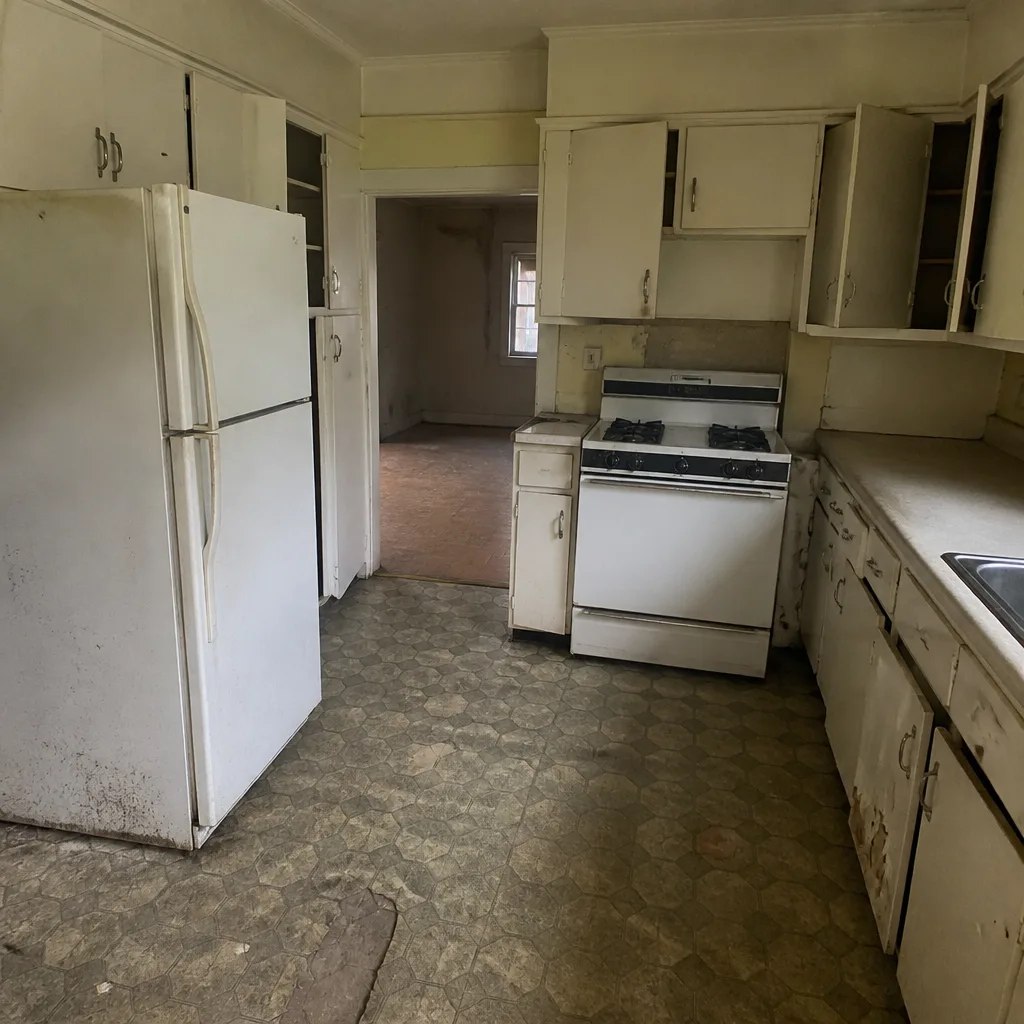
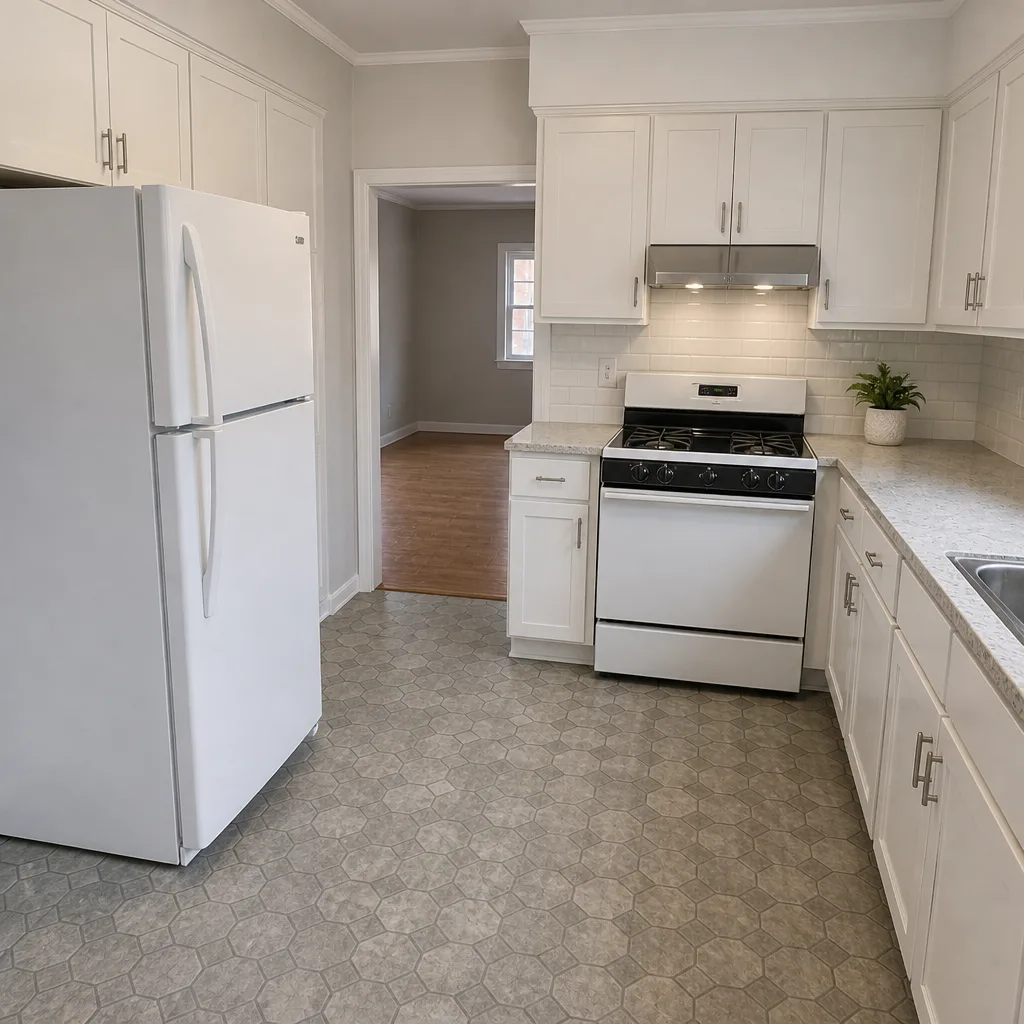
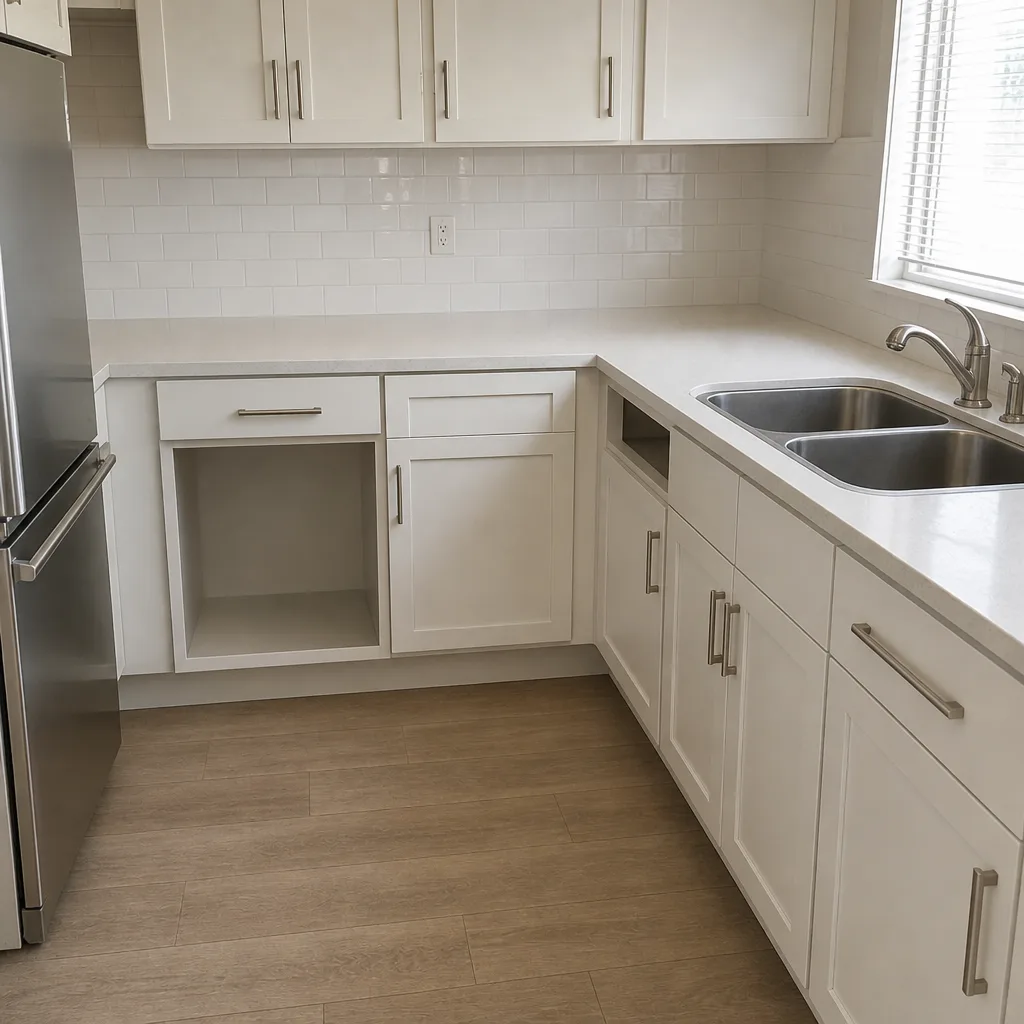
Kitchen remodeling. $45,000 – $110,000 for a full gut remodel. Cabinetry, countertops and appliances drive most of the variance. We present KraftMaid and Wellborn cabinetry and countertops from Cambria, Silestone and Caesarstone so you can see the range at different price points before you commit.
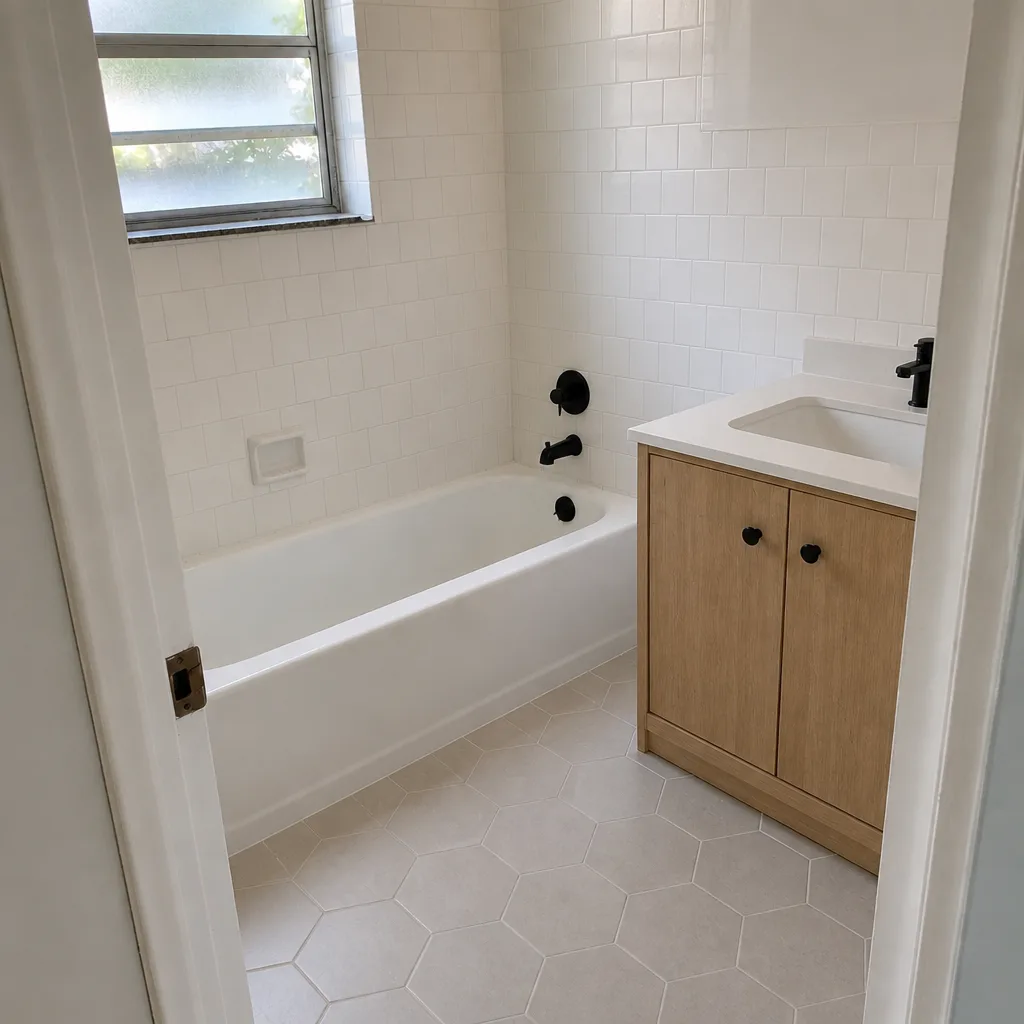
Bathroom remodeling. $18,000 – $45,000 for a full remodel. Fixture selection moves the number more than footprint does. Kohler, Grohe, Toto and Moen options let you hold quality at a chosen budget tier.
Impact-Rated Windows and Doors: What the Premium Actually Buys
The single most misunderstood cost multiplier in Miami Beach is impact-rated glazing. A homeowner comparing replacement windows often sees a non-impact quote at half the price and assumes the impact number is inflated. It isn’t. Here’s what you’re actually paying for.
- Glass and lamination. Impact glazing is a laminated assembly with an interlayer, not a single pane with a film. That’s a fundamentally different product with a fundamentally different cost.
- Frame and hardware. Heavier sashes, reinforced frames and multi-point locking hardware add material and labor at every opening.
- Approval paperwork. Products used in Miami Beach need Miami-Dade approval. Manufacturers carry that cost and pass it through.
- Installation method. Correctly installed impact units use specific anchoring and flashing details, and inspection requires them done right the first time.
We work with PGT, CGI, ECO Window Systems and ES Windows so you can see multiple approved product lines at different price points rather than being handed a single default. Compare performance ratings and warranty terms side by side. The point isn’t the most expensive window; it’s an approved window that performs for years. Call (844) 320-9310 to schedule a free estimate and see the options in your own space.
The Permit and Inspection Line Items Homeowners Don’t Anticipate
Permit costs are the most common surprise in a Miami Beach construction budget. Homeowners budget the build and forget the file. Here are the line items to plan for.
- Plan review fees. The city charges for reviewing your plans, and the fee scales with project complexity. Multi-scope projects may require more than one review.
- Re-inspection fees. If an inspection fails and a second visit is needed, that’s a fee. Quality work reduces these, but budget some margin.
- Elevation certificate updates. If your project touches elevation, foundation or utility placement, an updated elevation certificate is often required. This is a separate cost from the permit itself.
- DERM review. Environmental review costs apply where projects affect drainage, runoff or environmentally sensitive areas – common in a flood-zone city like Miami Beach.
- Notice of Commencement and other record filing. Required paperwork adds small but real costs to the project file.
We handle permit application, inspection scheduling and documentation as part of the job. Permits pulled and inspections passed are part of how we work, not an optional add-on. If your current contractor asks you to pull your own permit, that’s a conversation worth reconsidering.
How One Contractor Across Multiple Scopes Saves Real Money
The most direct cost savings available to a Miami Beach homeowner in 2026 isn’t a material substitution. It’s eliminating the gaps between contracts. When you coordinate four or five separate contractors for a multi-scope project, you pay for the overlap whether you see it on an invoice or not.
Concrete overlaps to watch for:
- Mobilization. Every contractor who sets up on your property charges something for it. One crew handling driveway & pavers and fencing in a sequenced scope avoids duplicate setup and mobilization.
- Site protection and cleanup. Multiple contractors mean multiple rounds of protecting floors and landscaping and multiple cleanups. One accountable team protects once and cleans once.
- Permit combining. Some projects can share a permit review rather than run parallel files. That saves review fees and shortens the critical path.
- Scheduling gaps. Between contractors, projects stall. A stall costs you storage, temporary rentals or overlapping months of your own displacement. One contractor means the next trade is booked before the last one leaves.
- Accountability. When something’s wrong across trades, a multi-contractor project becomes a finger-pointing exercise. One team means one call.
The overlap savings on a renovation that combines a kitchen remodel, a fence installation, and a home addition & ADU can be substantial – we’ve seen multi-scope projects where the elimination of mobilization, duplicate permits and gaps easily offset the cost of one trade’s materials. We handle seven core service lines under one contract: driveways and pavers, fencing, home additions and ADUs, bathroom remodeling, windows and doors, roofing, and kitchen remodeling. And across all of them we carry over 50 manufacturer relationships so you get curated choices instead of a single default option.
Cost Escalation Triggers to Build Into Your Budget
Well-managed budgets hold. Badly managed ones drift. Here are the escalation triggers to plan for on any Miami Beach construction project in 2026.
- Material lead times for Miami-Dade approved products. Approved roofing, windows and specialty items are not always sitting in local inventory. Build 4 – 8 weeks of lead time into your schedule and budget for the possibility of substitution if you’re selecting a long-lead product.
- Inspector scheduling delays in peak season. Permit volume in Miami Beach spikes seasonally, and inspection appointments that run quickly in a slow month can run weeks behind in a peak month. That extends the job timeline and, when overlapping with rent or storage, adds real cost.
- Change order patterns in historic district work. Historic districts in Miami Beach impose additional review on exterior changes: siding, windows, doors, roofing, fencing. The reviews often surface changes that affect scope and cost. Plan a contingency of 10 – 15% on any exterior project inside a historic district.
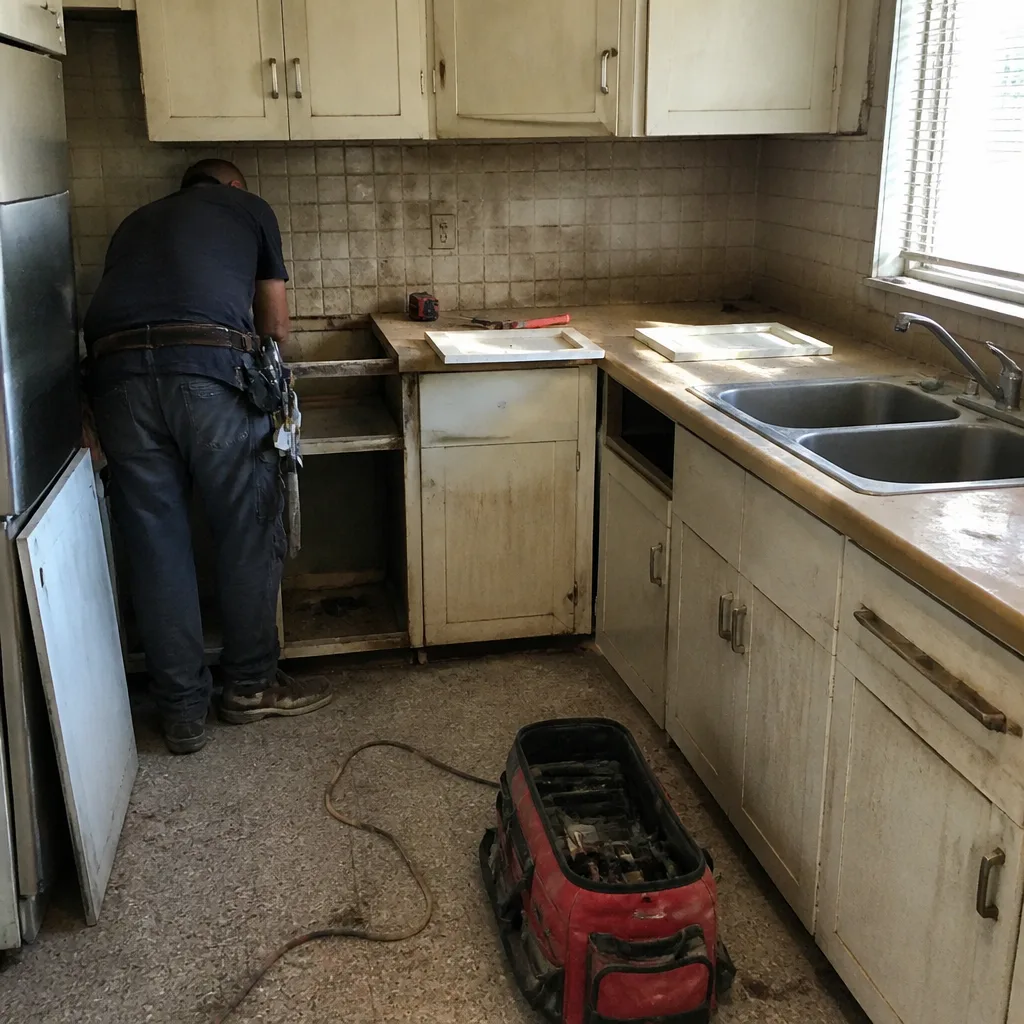
- Discovery during demolition. No matter how careful the pre-construction inspection, opening a wall or a floor in an older Miami Beach home sometimes reveals hidden conditions. Concrete, subfloor and framing repairs are the usual suspects. Reserve a discovery contingency on any renovation where walls are opened.
- Product substitution pressure. If a product is discontinued or a lead time is unacceptable, the replacement may or may not carry Miami-Dade approval. A mid-project substitution can escalate both cost and permitting.
Historic District Work: Change Orders and What Drives Them
Miami Beach’s historic districts are some of the most architecturally significant areas in Florida, and their review process reflects that. If your project touches the exterior of a property in one of these districts, expect additional cost layers that don’t apply elsewhere.
- Additional design review fees. Historic district review is a separate process from standard plan review and charges its own fees.
- Matching requirements. Design boards assess whether new work is compatible with the district’s character. That can mean specific window profiles, door styles, roof materials or fence designs. Those specific products sometimes cost more than the default choices.
- Revision cycles. First submissions frequently come back for revisions, and each revision cycle adds design cost and time. A well-prepared submission minimizes this.
- Fencing specifics. Historic district review of fencing sometimes requires a specific profile and material. We work with Barrette, Master Halco, Ameristar, Jerith, Bufftech and ActiveYards so we can usually find a compliant option without custom fabrication.
- Roof material constraints. Some districts impose roofing material constraints. If the district’s preferred material is a premium line, that’s a real cost item to plan for.
We build historic district review into the project schedule and budget from the start. If a historical review is likely to extend the schedule, you’ll hear about it in the estimate, not in a change order three weeks in.
Building a 2026 Budget That Holds
The single best defense against a runaway budget is a written line-item estimate with fixed pricing and no change orders outside a defined scope. Here’s how we recommend you structure a Miami Beach construction budget in 2026.
- Base build cost. Take the written estimate line items and add them up. That’s your starting number.
- Permit and file costs. Add plan review, elevation certificate, DERM review if applicable, and a buffer for re-inspections.
- Discovery contingency. 10% for projects that open walls or floors, more if the property is older.
- Historic district contingency. 10 – 15% additional if the exterior is inside a historic district.
- Schedule cost. If the project requires you to relocate or store belongings, budget the weeks you expect to be out.
- Material escalation buffer. 5% on any long-lead or approved product line.
We put our pricing into a written line-item format so you see exactly what each scope carries and where the money goes. If you want to see what a multi-scope project looks like on paper before you commit, we’ll build that estimate free. From the foundation to the ridge cap, from the driveway to the rooftop, Construction Miami Beach handles every phase under one contract. Our technicians have up to 14 years of experience, and every project is performed by independent, state-licensed professionals who are insured & bonded.
Common Mistakes to Avoid
- Comparing a Miami Beach quote to a national calculator. A calculator has no idea what Miami-Dade approval costs. Use local ranges as a sanity check, but never as the target number.
- Budgeting the build and forgetting the file. Elevation certificates, DERM review and re-inspection fees are real line items. Homeowners who skip them get surprised.
- Pulling your own permit. If a contractor asks you to pull the permit, the accountability for compliance and inspection lands on you, not them. That’s a bad trade.
- Coordinating four contractors on a multi-scope project. The overlap and gap costs add up, and when something’s wrong across trades, you’re the one making the calls. One accountable team avoids that.
- Not factoring historic district review. A renovation in a historic district without a review contingency is a project that drifts. Build the buffer.
- Choosing products without checking Miami-Dade approval. A beautiful window or roof system that isn’t approved on this market is a problem the moment the inspection happens.
- Hiring without a written line-item estimate. A lump-sum number is not a quote. Ask for the line items and the written scope. Fixed pricing without change orders only works when the scope is written down first.
See the difference
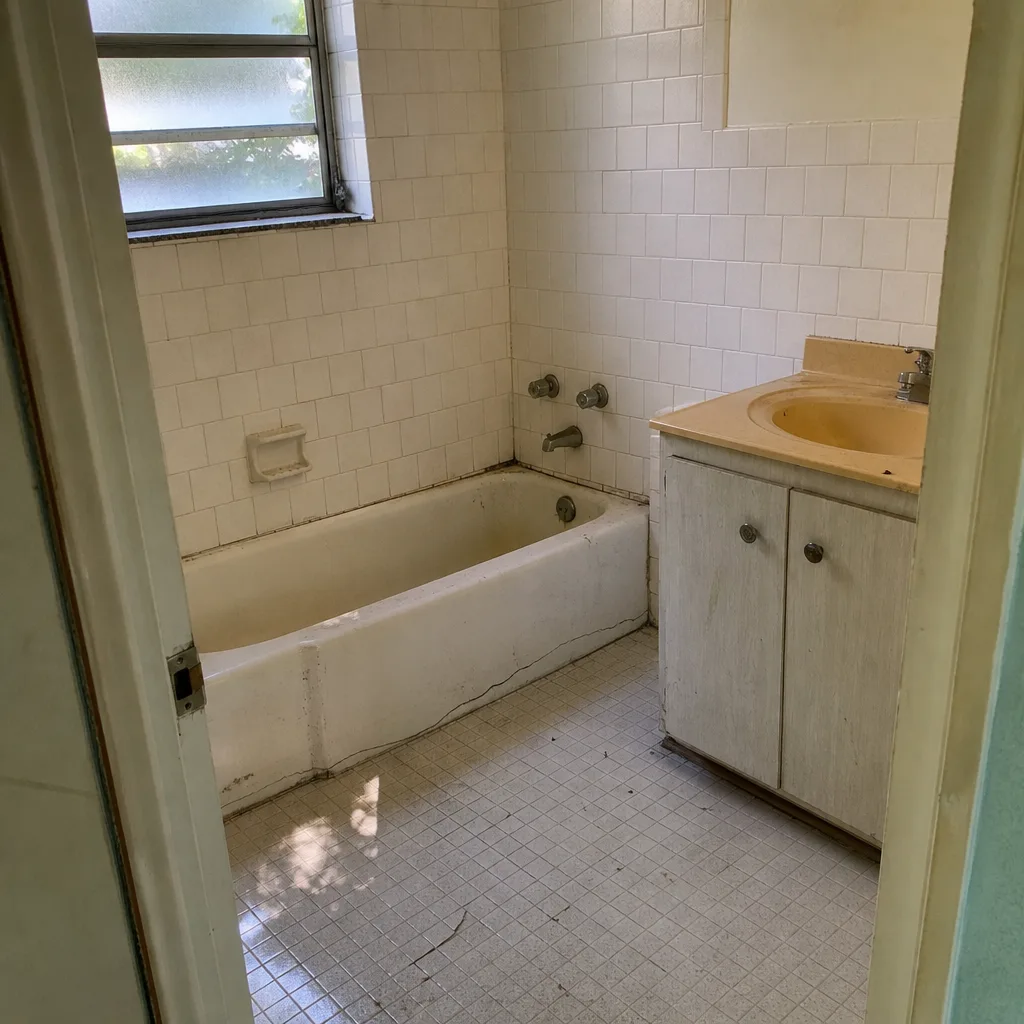 Before
 After
 Before
 After
 Before
 After
When to Call a Professional
Call a professional when a project crosses into permitted scope: structural changes, roofing replacement, window and door replacement, electrical or plumbing relocation, additions and ADUs, and any exterior work inside a historic district. Those are jobs where an inspector will be involved, and where a poorly documented permit can turn into a resale problem later. Call a professional as well when you’re consolidating multiple trades into one project, because overlapping permits and site conditions across scopes are where multi-contractor projects usually go sideways. And call when your existing quote is a single number without line items: getting a real written estimate is the simplest way to find out whether the price you’ve been given reflects actual Miami Beach conditions or a guess. Construction Miami Beach offers free estimates in Miami Beach – call (844) 320-9310.
Frequently Asked Questions
A typical roof replacement in Miami Beach in 2026 falls in the estimated $18,000 – $38,000 range depending on square footage, material and fastening requirements. Tile and metal systems run higher. The written line-item estimate sets your actual price. Call (844) 320-9310 for an exact quote – estimates are free.
Because Miami Beach construction carries four cost multipliers a national calculator ignores: Miami-Dade product approval requirements, flood zone compliance and elevation work, impact-rated products, and a permitting timeline that extends contractor overhead. All four are real costs of building here, and every honest bid will reflect them.
Miami Beach permits take longer than most of Florida, and multi-scope projects and historic district work take longer still. Building weeks into the schedule rather than days is realistic. The best way to keep the timeline moving is a complete, well-prepared permit submission – which we handle as part of the job.
With a fixed-price, written line-item estimate, the price holds to the scope that’s written down. Change orders only happen when a hidden condition is discovered during work or when the homeowner changes the scope. Both are handled in writing and agreed to before work proceeds.
Yes. Permits pulled and inspections passed are part of how we work on every project. If a contractor asks you to pull your own permit, that contractor isn’t taking accountability for code compliance, and you should ask why.
A full kitchen remodel typically falls between $45,000 and $110,000 in Miami Beach, depending on cabinetry, countertops, appliances and layout changes. Cabinetry and countertops drive the largest swing. Call (844) 320-9310 for an exact quote on your kitchen – estimates are free.
The Bottom Line
Construction costs in Miami Beach run above national averages for reasons you can identify and plan around: Miami-Dade product approval, flood zone compliance, impact-rated products, and permitting overhead. Build a budget that accounts for every one of those multipliers plus discovery and historic district contingencies, and you won’t be surprised by a change order. Get a written line-item estimate with fixed pricing and no change orders outside a defined scope, and cross-check every selected product against Miami-Dade approval before you commit. And consider one contractor for multiple scopes: the mobilization, scheduling and permit overlap savings are real, and one point of accountability is worth more than a handful of hand-offs.
If you’re ready to price your project, call (844) 320-9310. We answer 24/7. Fast dispatch from 7am to 7pm, Sunday through Friday. Every estimate is free, every quote is written line-item, and every number in it is grounded in what Miami Beach construction actually costs in 2026.
Written by the team at Construction Miami Beach.