
Last updated November 16, 2026
 Kitchen remodeling
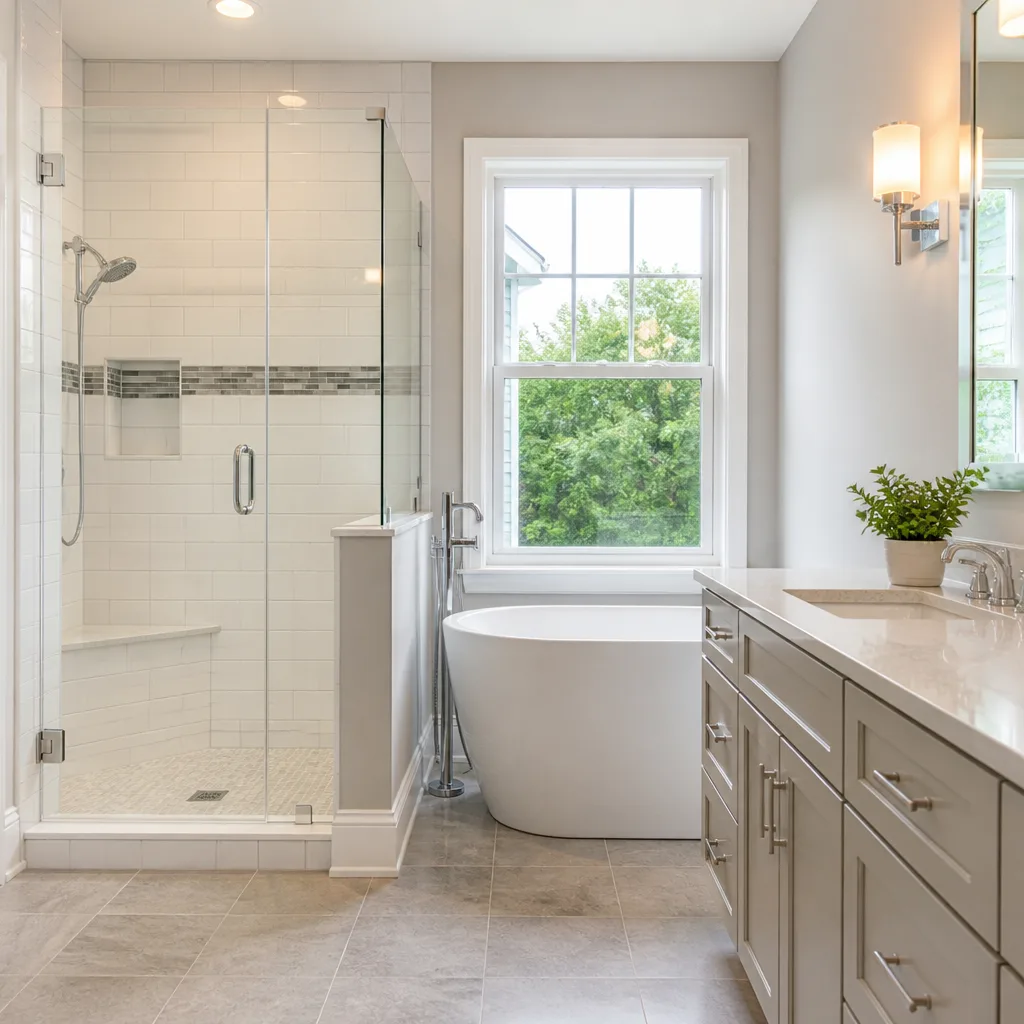 Bathroom remodeling
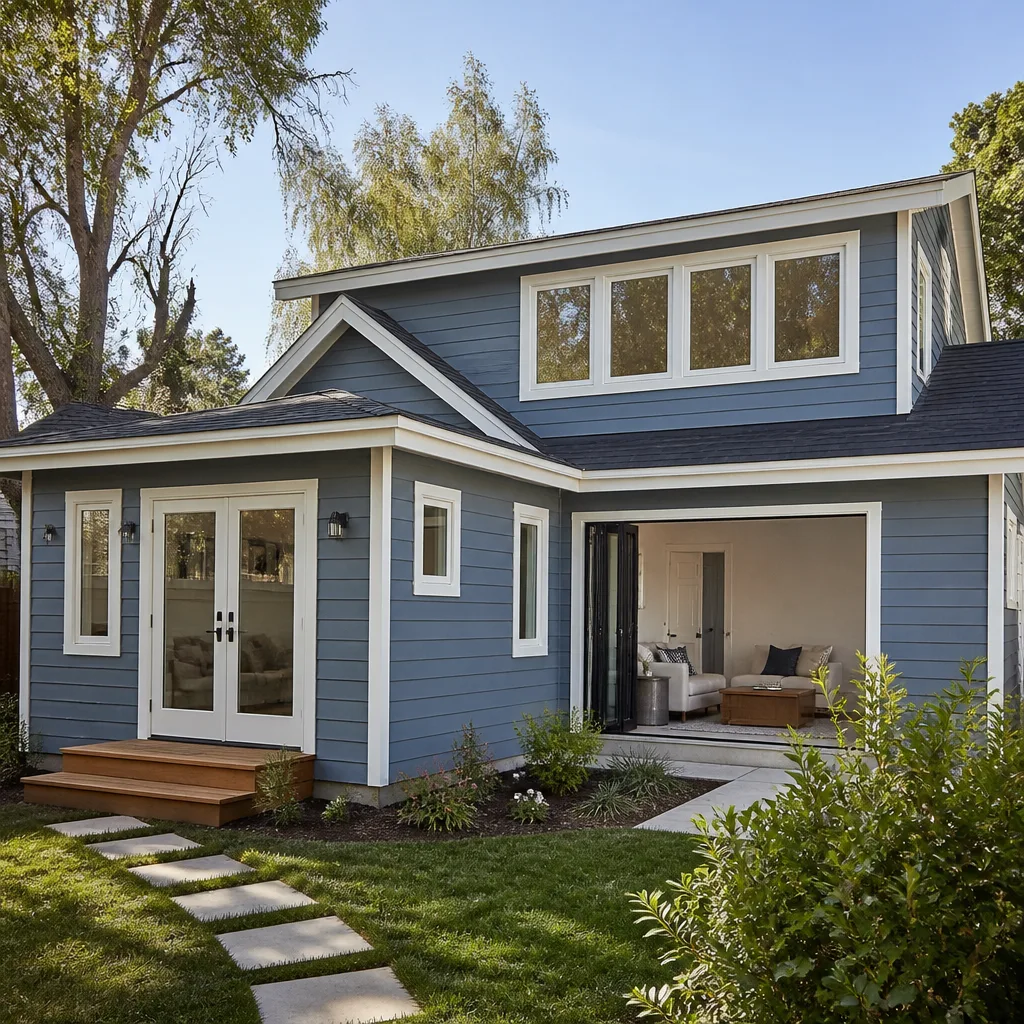 Home additions & ADU
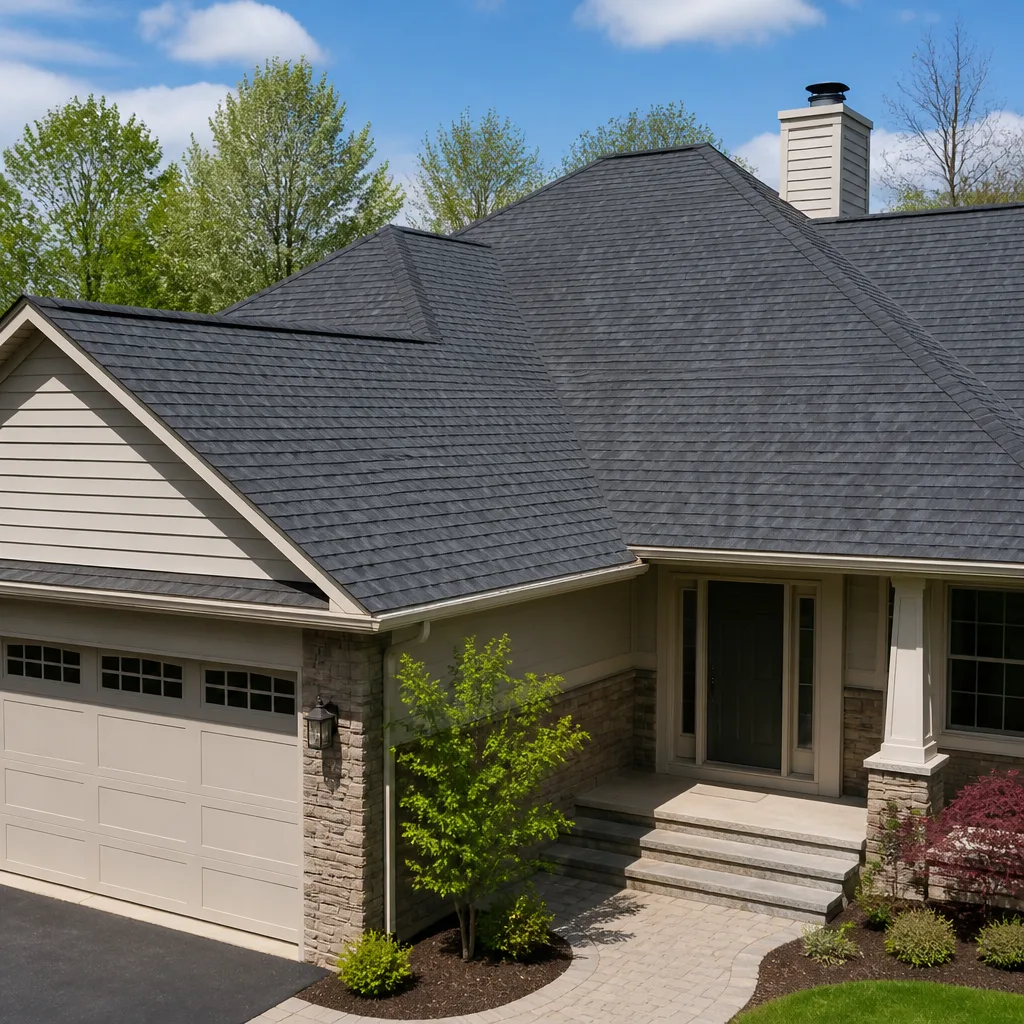 Roofing
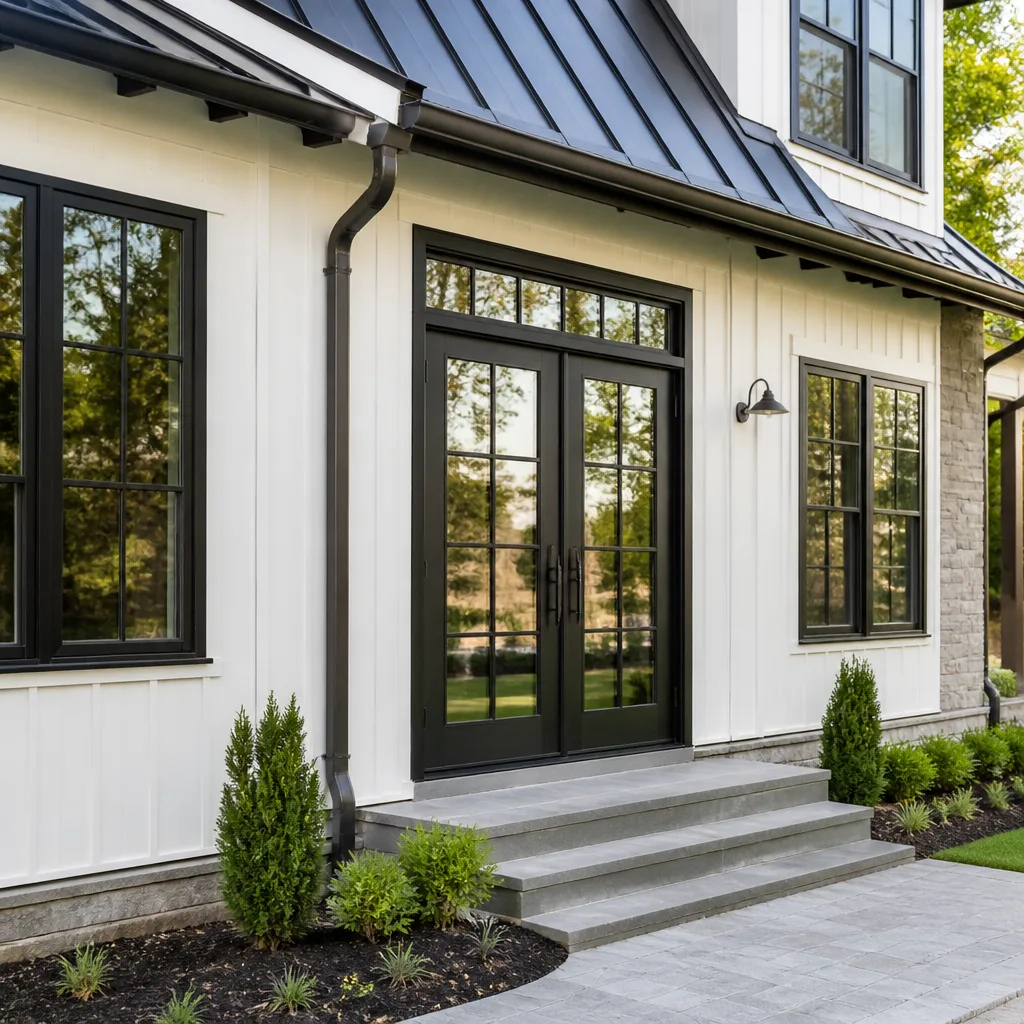 Windows & doors
 Driveway & pavers
 Fence
Free written scope consultation - allowances, timeline, and change-order rules on paper before a single trade is scheduled
Construction Permits, Codes & Inspections in Miami Beach, FL: What You Need to Know
Miami-Dade County carries the strictest wind load requirements of any populated county in the continental United States. That alone changes how a construction project gets designed and approved. But a property inside Miami Beach answers to a second layer of rules on top: the City of Miami Beach has its own permitting overlay, its own review boards, and its own inspection order. A set of plans that sails through in Coral Gables can stall for months here because the city adds requirements the county doesn’t. In this guide we walk through which projects need a City of Miami Beach permit, which need Miami-Dade review, and which need both. You’ll learn how the Notice of Acceptance system works, when the Historic Preservation Board gets involved, and how to sequence inspections so your final doesn’t fail.
Quick Answer
Almost every structural, electrical, plumbing, or mechanical change in Miami Beach requires a building permit issued by the city, and most of those permits are also reviewed against Miami-Dade County’s wind load and product approval requirements. On top of that, roofing and window products must carry a current Miami-Dade Notice of Acceptance, and properties in historic districts need Historic Preservation Board approval before a permit can be issued. Final sign-off requires passing a specific sequence of rough-in, framing, and final inspections.
Styles & brands we work with
- Kitchen remodeling
- Bathroom remodeling
- Home additions & ADU
- Roofing
- Windows & doors
- Driveway & pavers
- Fence
Table of Contents
- Which Layer Controls Your Project: City, County, or Both?
- Which Projects Need a Permit in Miami Beach?
- The Miami-Dade Notice of Acceptance (NOA) System
- Historic Preservation Board Review Triggers
- When DERM Gets Involved
- Inspection Sequencing in Miami Beach
- How Much and How Long: Typical Costs and Timelines
- Common Mistakes to Avoid
Which Layer Controls Your Project: City, County, or Both?
Permitting in Miami Beach is easiest to understand as three stacked layers. The bottom layer is the Florida Building Code, which sets statewide minimums for structural, fire, and life safety. The middle layer is Miami-Dade County’s amendments to that code, and this is where wind load requirements get strict. The top layer is the City of Miami Beach’s own local ordinances and zoning rules, which add their own review steps, historic-preservation requirements, and neighborhood-specific rules. Knowing which layer controls your project is what separates a smooth approval from a stop-work notice.
Here’s how the layers typically apply:
- City-only review: Interior non-structural work (cosmetic kitchen refits, cabinet swaps, painting), replacement of fixtures without moving pipes, and minor fence work within height limits usually only need city sign-off.
- County review, city issuance: Re-roofs, impact window replacements, additions, and new pools all need the product or assembly to meet Miami-Dade wind load criteria, plus city zoning and building review. You file once with the city, but the reviewers look at both.
- Both plus additional sign-off: Waterfront work, work involving certain vegetation, and work in a historic district add DERM or Historic Preservation Board review on top of city and county requirements.
In our experience, the confusion happens when a homeowner or a design professional treats Miami Beach like any other municipality. The city has its own approach to floodplain construction, its own elevation requirements for ground-floor space, and its own review boards. If you’re planning a larger project that touches multiple scopes – say an addition that includes a home additions & ADU plus a bathroom or kitchen refit and a re-roof – the review layers multiply. That’s why we sequence the scope early so every stake to be pulled gets pulled at once rather than staggered.
Which Projects Need a Permit in Miami Beach?
Any structural, electrical, plumbing, or mechanical work needs a Miami Beach building permit. So do re-roofs, window replacements, additions, pools, fences over a certain height, driveways on public rights-of-way, and new hardscape that changes drainage. Almost every scope a homeowner would recognize as “significant construction” gets a permit. Here are the common residential examples and how they typically map:
- Re-roof: Permit required. Product must carry a current Miami-Dade NOA. Roof-to-wall connections often need to be upgraded.
- Impact window and door replacement: Permit required, same size for size or not. Every unit must carry an NOA.
- Bathroom remodel (fixtures moved): Plumbing and electrical permits plus a building permit for the sub-floor and wall work. Cosmetic-only swaps may need less; confirm with the city before assuming.
- Kitchen remodel: If gas lines or electrical circuits change, permits are required. Cabinet swap alone usually isn’t.
- Home addition or ADU: Full building permit with zoning review and county wind load compliance. Often triggers floodplain and historic-district review too.
- Pool: Building and electrical permits required, plus barrier compliance. Pool placement on the lot is reviewed against the city’s zoning.
- Driveway or paver work: If it changes drainage or touches the public right-of-way, a permit is usually required. Our driveway & pavers work routinely involves this permit step.
- Fence installation: Permits vary by height, material, and location. In front-yard or corner-lot cases, expect extra review. Fence work is covered in detail through our fence installation scope.
If you’re unsure whether your scope needs a permit, the answer is to ask the city’s building department directly. A quick phone call or a permit search on the city’s website will tell you. Pulling a permit after the fact is far more expensive than pulling it first, and unpermitted work can stall a title transfer years later.
The Miami-Dade Notice of Acceptance (NOA) System
Every roofing assembly, window, door, and shutter product used in Miami Beach must carry a current Miami-Dade Notice of Acceptance (NOA). The NOA is the county’s document confirming a product has passed the testing required for its category, including wind pressure and impact testing where applicable. Without an NOA, the product can’t be installed under a permitted job, and the permit won’t close. This is the single most common missing piece on homeowner-supplied material lists.
Here’s how to verify an NOA before you sign a contract:
- Get the exact manufacturer, model name, and model number of the product being quoted, not just the brand.
- Go to the Miami-Dade County product control search tool and enter the product details.
- Confirm the NOA is current (not expired), and that the installation method described in it matches your project.
- Match the NOA number to the product that will actually land on the truck. A window line may have multiple NOAs for different sizes and configurations.
In our experience, the window category is where mismatches happen most often. Two units that look identical on a showroom wall can carry different NOA coverage. We work with PGT, CGI, and CWS because each of those lines maintains current NOA coverage across their Miami-Dade product ranges, and we can show you the specific coverage for the model you’re considering. Impact product capability is a required part of a Miami Beach approval, so the NOA isn’t a formality – it’s the difference between a permit that closes and one that doesn’t.
For roofing, the situation is similar but distinct. Each roofing system – not just the shingle brand but the underlayment, the attachment method, and the decking – has to be covered by the NOA. Our roofing scope routinely works with GAF, Owens Corning, and CertainTeed systems because those manufacturers maintain complete Miami-Dade assemblies. But when it comes to flashing and trim components, we sometimes specify Boral for its compatibility with certain cladding assemblies.
Historic Preservation Board Review Triggers
Properties in a locally designated historic district, or individually designated as historic, require Historic Preservation Board (HPB) review before a building permit is issued. The HPB review adds a step that most Miami Beach permit files don’t have, and it extends timelines materially. If you own in an area that includes older architecture or a locally recognized neighborhood character, checking first is cheaper than checking after.
The typical HPB triggers include:
- Changes visible from the public right-of-way (new windows, altered facades, paint color where regulated, new fences)
- Roofing changes on a historic structure where materials or profiles differ from the original
- Additions that change the roofline, massing, or footprint of a contributing property
- Demolition or partial demolition of a contributing structure
- New construction on a vacant lot within a historic district
What makes the HPB review slower than a normal permit isn’t usually the outcome – it’s the sequencing. The board meets on a schedule, and the application has to be complete and reviewed by city staff before it goes on an agenda. If the application is missing elevations, window specifications, or a material sample, it can get pushed to the next meeting. Planning for that in your timeline is what separates a project that moves from one that sits. We factor HPB review into any Miami Beach project where it’s triggered, and we bring the specific product specifications to the board rather than general descriptions – “a PGT impact window matched to the existing profile” means more to the board than “new windows.”
One important distinction: HPB approval is not the same as a building permit. You need both. A common mistake we see is homeowners who secure board approval and assume the work is cleared to start. It isn’t until the building permit is issued and the inspections are scheduled.
When DERM Gets Involved
DERM is the Miami-Dade Department of Environmental Resources Management. DERM review kicks in for certain waterfront projects, work adjacent to designated vegetation, projects that touch wetlands or environmentally sensitive land, and work affecting drainage or runoff into a protected water body. Inside Miami Beach, waterfront properties along the bay side and canal-front properties are the most frequent DERM triggers.
Projects that commonly require DERM sign-off include:
- Docks, seawalls, and shoreline stabilization work
- Additions or new construction within a specified distance of a shoreline or mangrove area
- Grading or fill that changes drainage patterns
- Vegetation removal in protected areas
- Certain pool and pool-deck placement on waterfront lots
DERM review typically adds a separate application, a review period, and its own conditions that need to be followed during construction. If your project is on the water, don’t assume the city permit is the whole file. In our experience, the DERM step is often discovered late by homeowners who didn’t realize their property status triggered it. A quick check against the property’s environmental designation during the pre-design phase surfaces this before you’ve paid for drawings.
It’s worth distinguishing the DERM process from the city’s floodplain review. Both can apply to the same property – waterfront properties are usually also in or near a flood zone – and they are separate approvals. Floodplain review is about elevation and construction methods for flood resistance. DERM is about environmental impact and adjacent-resource protection. You may need both, plus city zoning review, plus county product approval. Layering is the rule here, not the exception.
Inspection Sequencing in Miami Beach
Failing a final inspection in Miami Beach usually comes down to sequencing, not construction quality. The city requires a specific inspection order for each trade and for the project as a whole, and skipping or combining inspection stages can force a re-inspection and delay the certificate of occupancy. Here’s the standard residential order for a full-scope project:
- Pre-construction / site inspection (if required): Before any material arrives, certain projects need a site visit to confirm the scope. Don’t skip this if your permit lists it.
- Foundation / slab inspection: After excavation, forms, and rebar, before concrete pour.
- Rough-in inspections for each trade: Electrical rough-in, plumbing rough-in, mechanical rough-in. Each trade gets its own inspection, and each needs separate sign-off before walls close.
- Framing inspection: After framing and after all rough-ins have passed. This is the single most common failure point for projects that try to combine steps.
- Insulation and weather barrier inspection: After framing passes, before drywall.
- Drywall and pre-final: After drywall is installed, before trim or finishes.
- Final inspections for each trade: Electrical, plumbing, mechanical, building, and (for exterior work) any additional sign-off the permit lists.
- Certificate of Occupancy or final sign-off: Only after every trade final has passed and the permit file is closed.
The sequencing detail that most often trips up homeowners and less-experienced contractors is the framing inspection. Framing cannot pass until all three rough-in trades have passed. A project that does electrical rough-in but delays plumbing rough-in cannot proceed to framing, no matter how ready the framing itself is. Sequencing the trades up front – and being ready to sequence them again if a rough-in fails and has to be re-inspected – is what keeps a Miami Beach permit on a normal timeline.
Roofing has its own sub-sequence: decking inspection (after removal and any connection upgrades), underlayment inspection, and final roofing inspection. Impact window replacement on an existing residential structure typically requires a “pre-inspection” for the opening size and adjustment, a “rough-in” once the frame is set, and a final. Sequenced properly, they don’t add days; sequenced poorly, each step adds re-inspection fees and delays.
How Much and How Long: Typical Costs and Timelines
Permit costs in Miami Beach are set by the city and county, so the numbers vary by project scope and valuation. We won’t guess at your filing fee, but we can give you the typical cost and time ranges we see on the scope-of-work side, so you can plan around them:
- Typical permit filing and review cycle for a re-roof: A few weeks from submission to issue, if the product NOA is in hand and the scope is clear. Longer if the property is in a historic district.
- Typical cycle for an impact window permit: Similar few weeks, with the same NOA dependency.
- Typical cycle for a home addition or ADU: Several weeks for city review, longer if HPB or county review is triggered, and longer again if the property is waterfront.
- Typical cycle for a bathroom or kitchen remodel with permits: Weeks, not days. Allow time for rough-in and final inspections.
- Typical cycle for a pool: Depends on zoning review and DERM status; plan for weeks to multiple weeks.
- Typical cycle for paver work: Shorter in most cases, longer if drainage or right-of-way is involved.
Concrete uses of the permit fee itself sit with the city. When we write the estimate, we show the permit cost as a line item based on the city’s current fee schedule for the scope, so you’re not guessing. The written estimate sets the final price on the work. Our technicians have up to 14 years of experience with Miami Beach permit files, which is why we sequence the inspections around the city’s actual review pace rather than a generic schedule.
Common Mistakes to Avoid
- Buying windows or roofing from a supplier before checking the NOA. If the product doesn’t carry current Miami-Dade coverage, the permit won’t close and you’ll replace the product. Verify the NOA against the exact model before you sign.
- Assuming a Coral Gables or Aventura approval will carry into Miami Beach. The city has its own overlay, so a permit that clears in a neighboring city can still require HPB, DERM, or an additional review step here.
- Pulling one permit for a multi-scope project. A combined addition, kitchen, and re-roof isn’t one permit file. Each scope gets its own line, and missing one delays the whole job.
- Sequencing inspections by what’s convenient rather than by what the city requires. Framing waits for all rough-ins. If you try to schedule it earlier, the inspector rejects it.
- Skipping Historic Preservation Board review because “it’s just a color change” or “it’s just windows.” In a designated district, visible changes often go through the board, and appearing without a complete packet gets pushed to the next meeting.
- Not checking the property’s environmental designation before designing. A waterfront property that needs DERM sign-off that wasn’t planned for can add weeks.
- Starting work on a permit application without a plan for the inspection sequence. A project with a clear inspection calendar closes; one without it collects re-inspection fees and stalls.
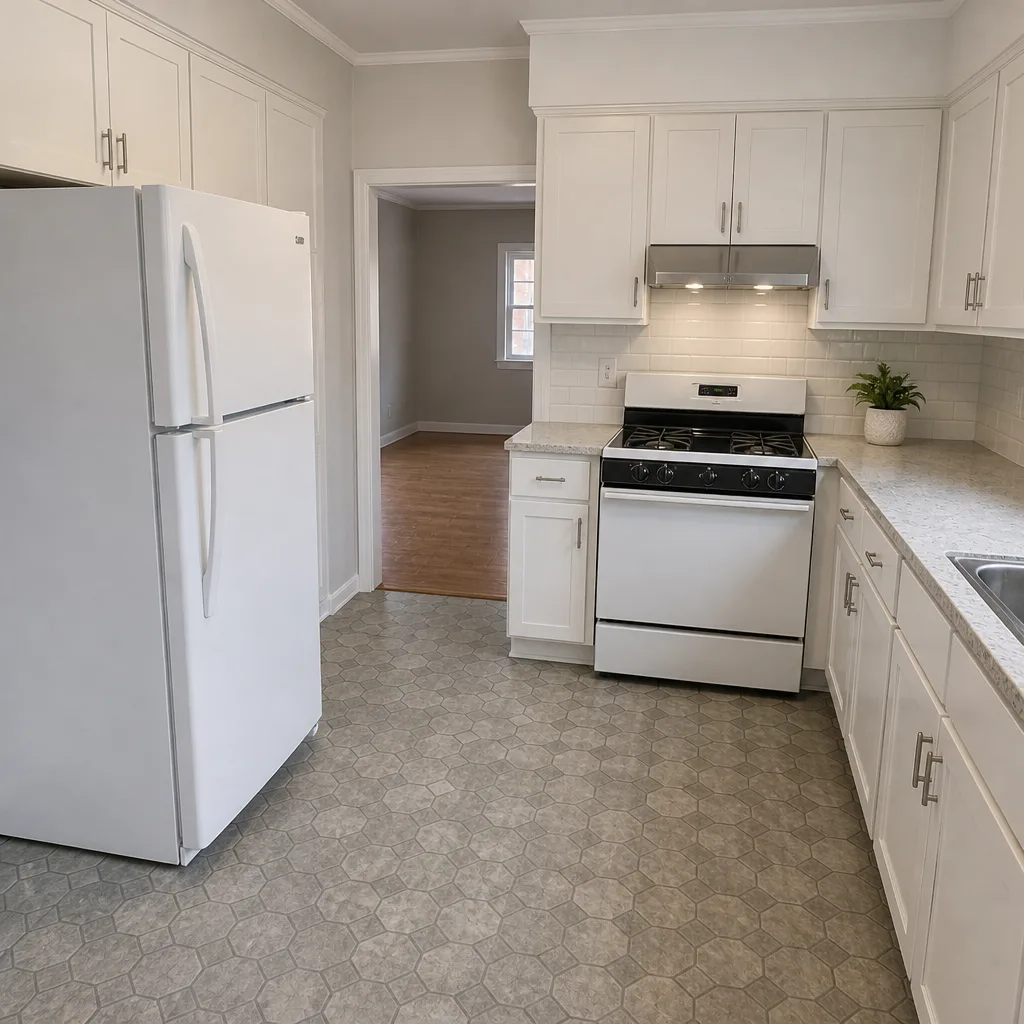
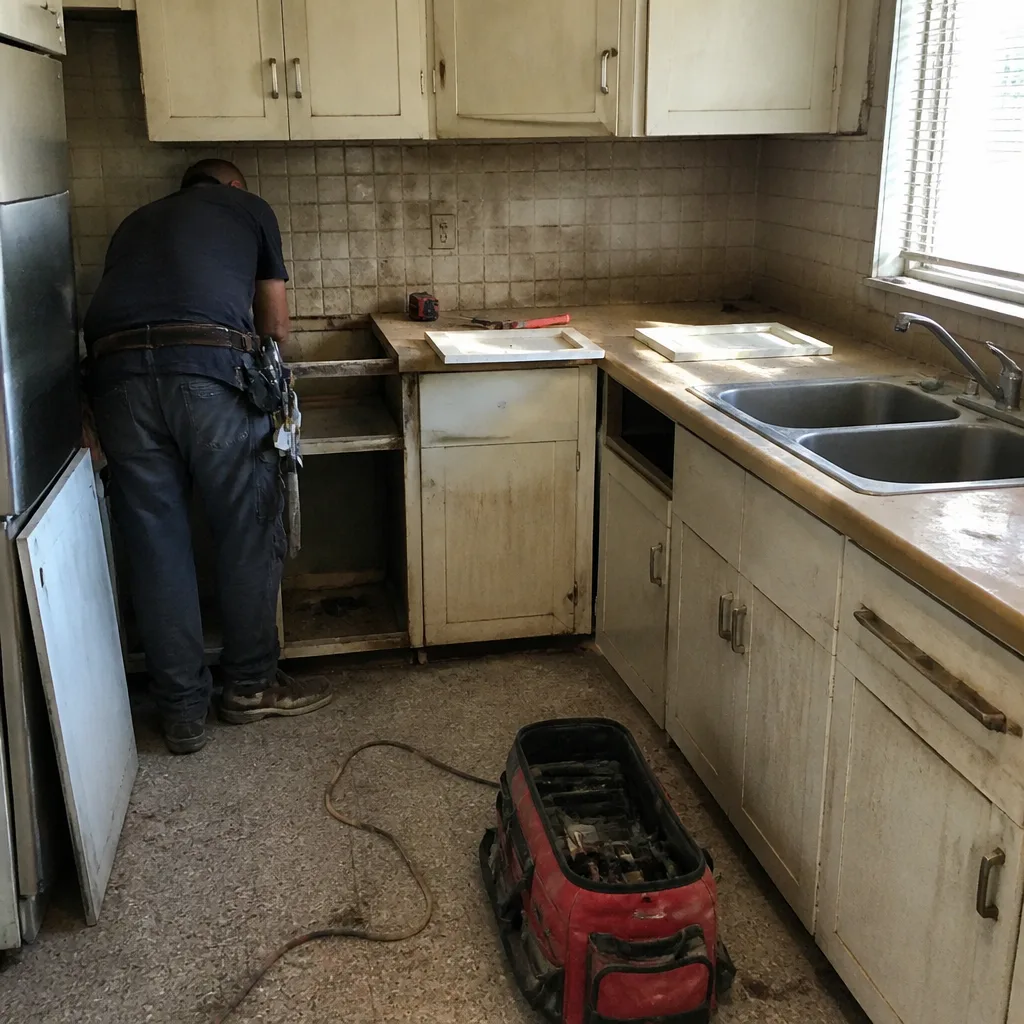
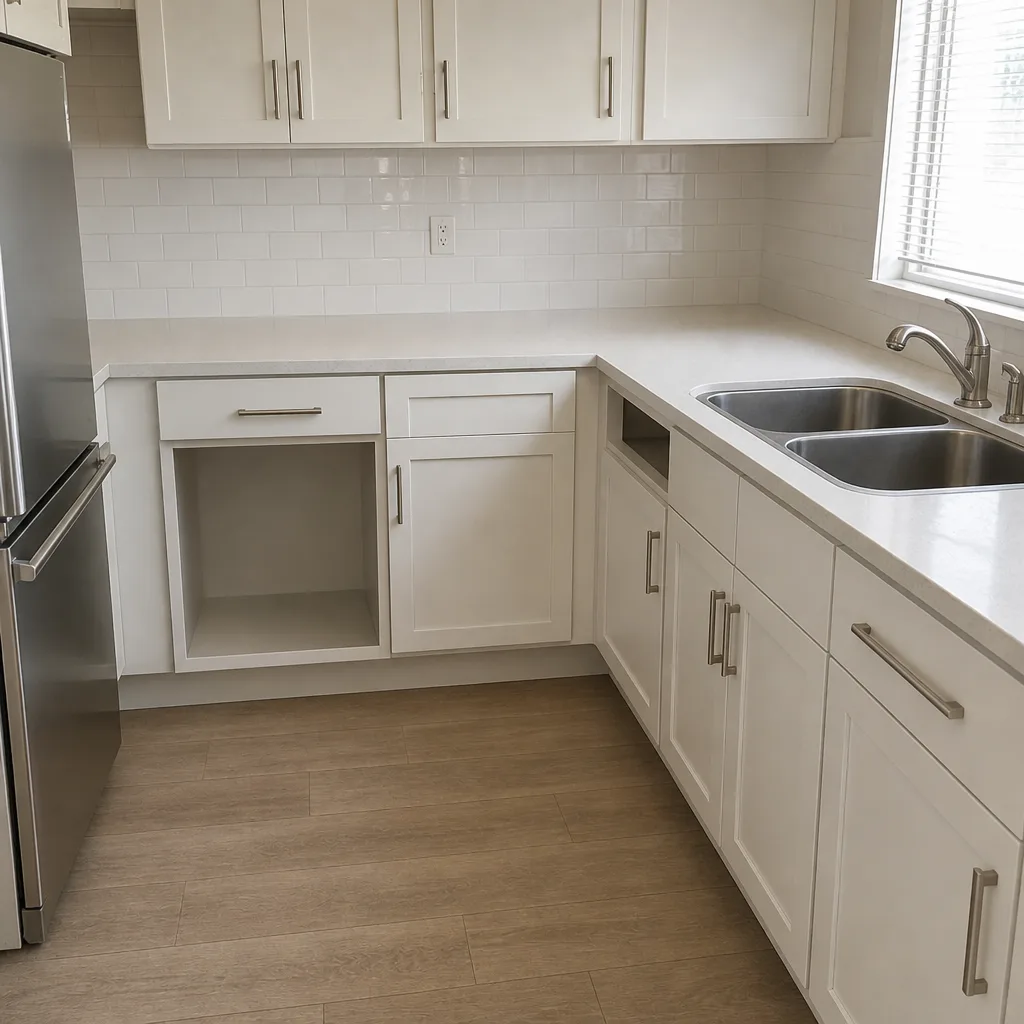
See the difference
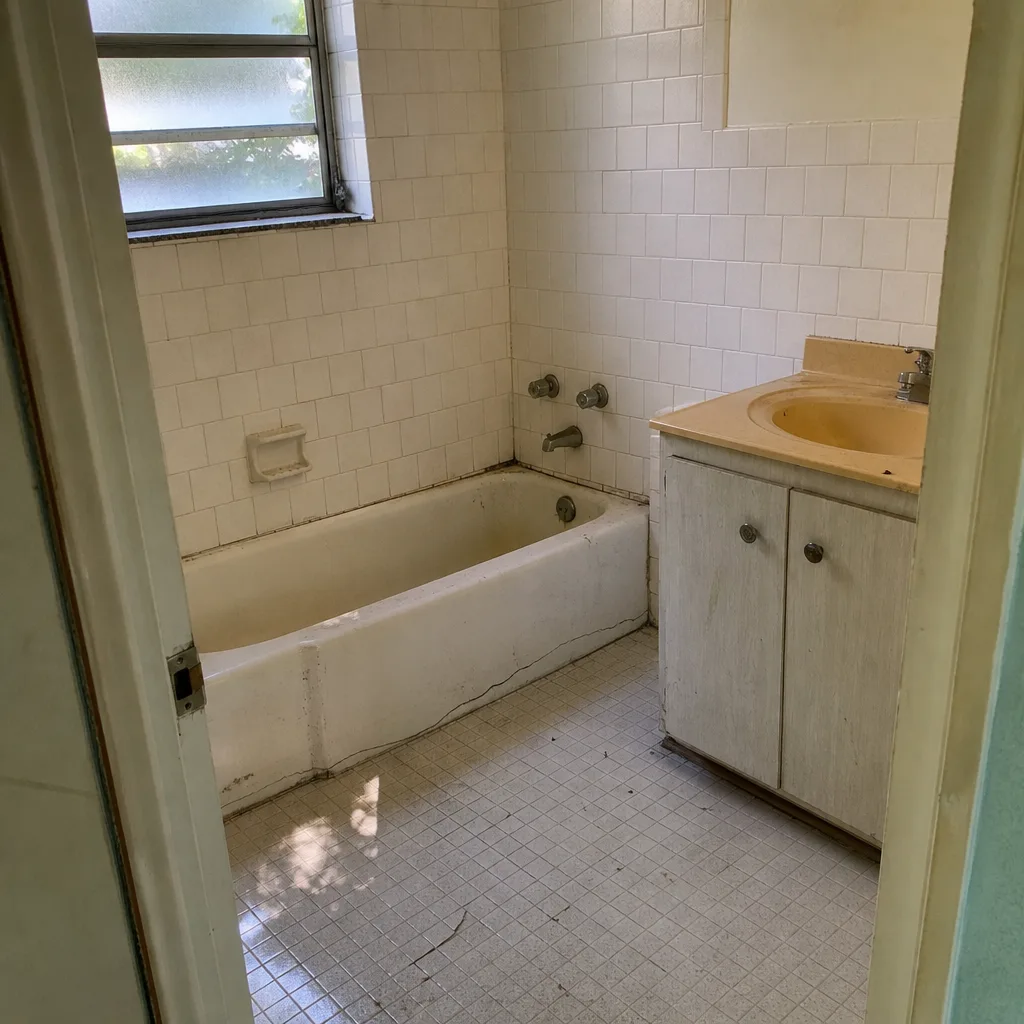 Before
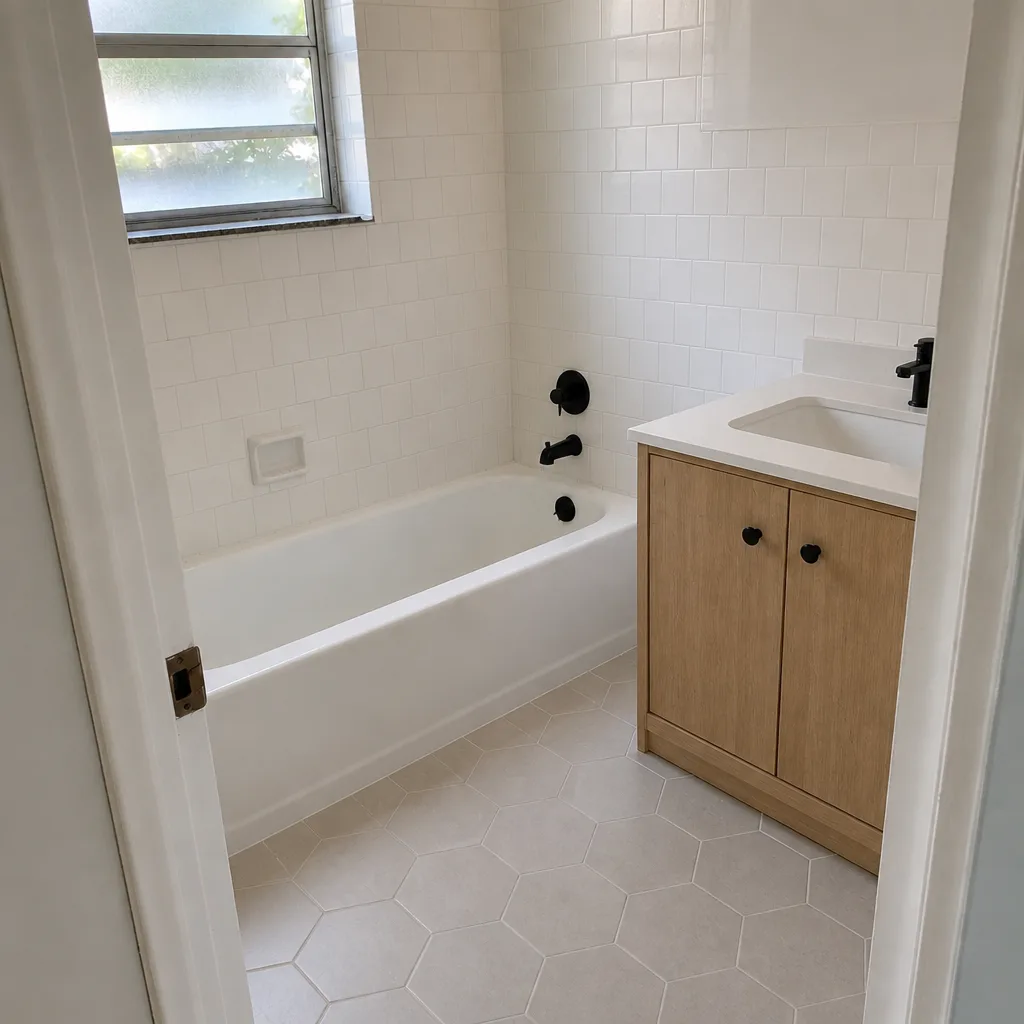 After
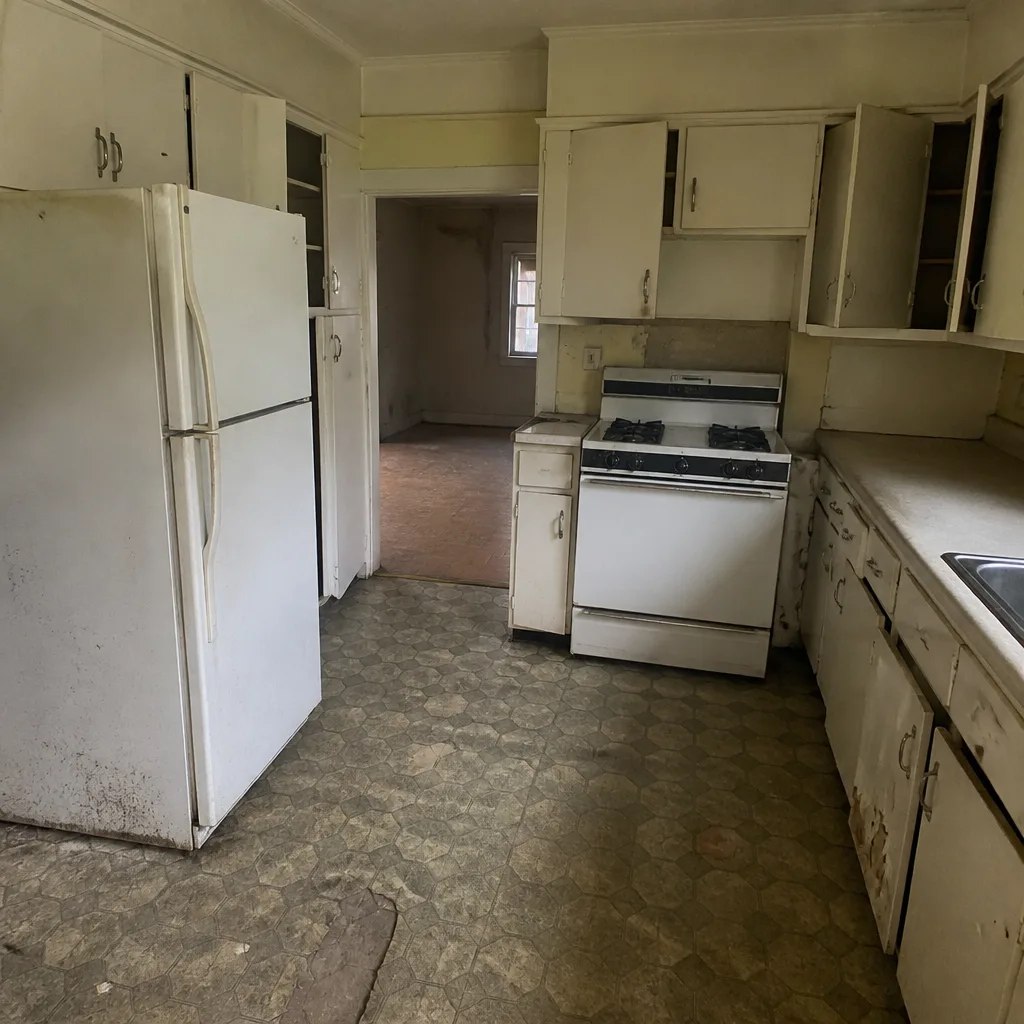 Before
 After
 Before
 After
When to Call a Professional
Miami Beach permitting rewards planning, and there are specific points where calling in a professional pays for itself. If your project touches more than one scope – an addition with a kitchen or bathroom, a re-roof plus window replacement, a new driveway alongside a fence and paver scope – the layering gets complex fast. If you’re unsure whether your property is in a historic district or triggers DERM, a professional can check during the estimate before you’ve spent on drawings. If your plan involves structural changes, impact product with a strict NOA requirement, or any waterfront work, the review path needs to be mapped before the first application goes in. And if you’re considering a prefab or modular ADU through a brand like Plant Prefab, Abodu, or Boxabl, the permitting sequence has its own quirks that are worth discussing up front.
Construction Miami Beach offers free estimates in Miami Beach – call (844) 320-9310 to talk through your project, the review layers it involves, and the inspection sequence. We answer 24/7. Fast dispatch from 7am to 7pm, Sunday through Friday.
Frequently Asked Questions
Yes. Any re-roof in Miami Beach requires a building permit, and the roofing system must carry a current Miami-Dade Notice of Acceptance, including the underlayment and attachment method. The decking and roof-to-wall connections are usually inspected before the new roof is installed. Call (844) 320-9310 for an exact quote – estimates are free.
Yes. Impact window and door replacement in Miami Beach requires a building permit even when the size matches the original, and every unit must carry a current Miami-Dade NOA for the exact model and configuration. We verify NOA coverage on PGT, CGI, and CWS product lines before we quote, because a mismatch between the NOA and the model is the most common permit stall in this category.
A Notice of Acceptance (NOA) is Miami-Dade County’s document confirming that a product has met the testing required for its category, including wind and impact testing where applicable. Without a current NOA, the product can’t be installed under a permitted job in Miami Beach, and the permit won’t close. Verify the exact model and installation method against the NOA before you sign a contract.
Typical review runs a few weeks for a straightforward re-roof or window permit, and longer for an addition, a waterfront property, or a historic-district property where the Historic Preservation Board or DERM adds a review step. The single biggest factor is whether the application is complete on the first submission. Call (844) 320-9310 for an exact quote on your project – estimates are free.
Any property in a locally designated historic district, or individually designated as historic, needs HPB review before a Miami Beach building permit is issued. Visible changes from the right-of-way, roof material changes on a historic structure, additions that affect massing, and demolition all trigger review. HPB approval and building permit are separate steps – you need both.
No. The written estimate sets the final price on the work, and the permit fee is a line item in the estimate. A typical project won’t see a change order for scope that was clear on the drawings, which is why we sequence the review layers – city, county, HPB, DERM – before the estimate is written. Call (844) 320-9310 to get the file reviewed in one pass – estimates are free.
The Bottom Line
Miami Beach permitting is a layered system, and the layer that controls your project depends on scope, property designation, and location. Almost every structural, electrical, plumbing, or mechanical change triggers a city permit, and almost every product used in the assembly has to carry Miami-Dade NOA coverage. Historic-district properties add HPB review; waterfront and vegetation-adjacent work adds DERM sign-off. The inspection sequence matters as much as the plan review, and the framing inspection won’t pass until all three rough-ins have passed. Getting the layers right at the start – before drawings, before materials, before the first permit application – is what keeps a Miami Beach project moving. If you’re at the point of designing a multi-scope project, we’ll map the review path, show you the NOA-verified product lines (PGC, CGi, CWS for windows; GAF, Owens Corning, and CertainTeed for roofing; Boral for trim where compatible), and give you a written estimate you can build a schedule around.
Ready to talk through your Miami Beach project? Call Construction Miami Beach at (844) 320-9310 for a free estimate. We answer 24/7. Fast dispatch from 7am to 7pm, Sunday through Friday. From the foundation to the ridge cap, one contractor covers every phase – and every review layer your permit will touch. If you’re still early in the planning stage, our Construction Miami Beach guide walks through the full range of residential scopes we handle.
Written by the team at Construction Miami Beach.