
Last updated November 16, 2026
 Home additions & ADU
 Kitchen remodeling
 Bathroom remodeling
 Roofing
 Windows & doors
 Driveway & pavers
 Fence
Free written scope consultation - allowances, timeline, and change-order rules on paper before a single trade is scheduled
DIY vs Professional Construction: The Miami Beach Homeowner’s Decision Guide
Most homeowners think the do-it-yourself decision comes down to nerve and spare time. In Miami Beach, it usually comes down to paperwork. Unpermitted work tends to surface during a title search, and the attorneys who handle residential closings in this market know exactly where to look. A bathroom renovation that skipped the permit can cost more to fix at resale than it ever saved in labor. That’s the part of this decision nobody warns you about. This guide walks through which scopes you can genuinely handle, which ones carry legal and insurance exposure in Miami Beach, and how to compare a contractor’s quote against a realistic do-it-yourself number.
Quick Answer
In Miami Beach, you should hire a licensed professional for anything structural, anything on the roof, and anything touching electrical, plumbing, or flood zone compliance. Do-it-yourself work is realistic for interior painting, non-structural landscaping, cabinet hardware, and tile in dry areas. The deciding factor isn’t skill alone. It’s whether the work needs a permit, whether it will show up in a future inspection, and whether your insurer will stand behind it after a claim.
Styles & brands we work with
- Kitchen remodeling
- Bathroom remodeling
- Home additions & ADU
- Roofing
- Windows & doors
- Driveway & pavers
- Fence
Table of Contents
- What Miami Beach Allows Homeowners to Permit on Their Own
- Where DIY Creates Real Legal and Insurance Exposure
- Owner-Builder Permit vs. Licensed Contractor Permit
- How Unpermitted Work Affects Your Insurance Claim
- The Legitimate DIY Scope in Miami Beach
- Comparing a Contractor Quote to Real DIY Cost
- What Happens When a DIY Project Goes Wrong Mid-Way
- How to Evaluate a Contractor in This Market
What Miami Beach Allows Homeowners to Permit on Their Own
Miami Beach, like most Florida municipalities, runs two permit tracks: one for licensed contractors and one for owner-builders. The owner-builder path exists for the person who will actually live in the home and do the work themselves. It is not a shortcut that lets you hire unlicensed labor under your own name. Understanding the difference before you pick up a tool saves months of trouble.
The owner-builder process generally asks the homeowner to sign an affidavit stating they will perform the work personally, occupy the property, and accept full responsibility for code compliance. That signature has consequences. If a neighbor files a complaint or an inspector finds a deficiency, the homeowner is the responsible party of record. A licensed contractor’s permit, by contrast, places that responsibility on the contractor and the license that backs it.
Here’s how the two tracks compare on the practical points:
- Who pulls the permit: owner-builder – the homeowner; licensed contractor – the contractor.
- Who the inspector calls: owner-builder – you; licensed contractor – the contractor.
- Who handles corrections: owner-builder – you, at your cost; licensed contractor – the contractor, within the scope of the written quote.
- How it reads at resale: owner-builder – a note in the permit history attached to your name; licensed contractor – a standard permit record with a licensed entity attached.
For a full picture of what the licensed path covers, see our overview of construction Miami Beach services. The short version: nearly every scope that needs an inspection is easier to hand to a licensed contractor than to carry yourself.
Where DIY Creates Real Legal and Insurance Exposure
The scopes where a Miami Beach homeowner gets hurt by DIY are consistent. They aren’t the glamorous ones. They’re the ones buried in a wall or under a slab, where nobody can see the problem until a buyer’s inspector or an insurance adjuster shows up. If your project touches any item on the list below, treat it as professional territory.
- Structural work. Removing a wall, altering a beam, changing a load path. No permit means no engineering review, and no engineering review means no record that the change was safe.
- Roofing. Roofing here means wind uplift, fastener schedules, and underlayment details that an inspector checks line by line. A roof is also the first thing an insurer asks about after a storm.
- Electrical. Panel changes, new circuits, relocated outlets. Mistakes here are a fire hazard, and they void the protection a licensed electrician’s sign-off would have given you.
- Plumbing. Supply lines, drain lines, water heater swaps. A slow leak inside a wall is far more expensive than the permit you skipped.
- Anything touching flood zone compliance. Elevation certificates, flood vents, enclosure limits on a ground floor. Local floodplain rules exist for a reason, and a compliance gap can pass through closing without anyone noticing until a lender balks.
The exposure isn’t only at inspection. It sits there for years, waiting for a buyer’s attorney to find it. That’s the cost most homeowners never price into the do-it-yourself math. Our roofing services walk through the standards that matter most in this market.
Owner-Builder Permit vs. Licensed Contractor Permit
If you want to go the owner-builder route, understand the process step by step before you start. It is more work than most homeowners expect, and the risk sits entirely on you.
- Confirm your scope qualifies. Not every project accepts an owner-builder permit. Structural changes, roofing over a certain size, and anything touching regulated systems usually require a licensed professional.
- File the affidavit and the application. This document states you will do the work yourself and accept code responsibility. It becomes part of the property record.
- Submit drawings and product data. Plans, material specifications, and product approvals need to match the scope. Missing data stalls the review.
- Pay the permit fees. These are non-refundable, whether the work starts or not.
- Schedule every inspection. Rough-in, framing, insulation, final. If an inspection fails, you pay for the reinspection and handle the correction.
- Close the permit. An open permit on the record can cause trouble at resale and can complicate an insurance claim.
A licensed contractor’s permit is simpler for the homeowner because the contractor owns all six steps. The permit record will name the contractor, not you. If you want to see how that plays out across a multi-scope project, look at what home additions & ADU work involves when done on the licensed track.
How Unpermitted Work Affects Your Insurance Claim
Homeowner’s insurance carriers that write policies on properties like the ones on Miami Beach have tightened their underwriting considerably. The adjustment isn’t about price. It’s about scrutiny. Carriers now ask for permit history, roof age documentation, and proof that past improvements were done to code. A property with open permits or unpermitted improvements can run into a denial, a non-renewal, or a coverage limitation on the very systems you thought were protected.
The mechanism matters. When a claim is filed, the adjuster looks at the cause of loss and whether the relevant system was compliant. If a kitchen fire started in a range hood that was wired during an unpermitted remodel, or a water loss came from plumbing installed without inspection, the carrier has grounds to question the claim. That doesn’t mean every such claim gets denied. It means the homeowner carries a risk they never priced into the do-it-yourself decision.
Three things make the picture worse in this market:
- Older properties with layered renovations. A home that has been remodeled several times can accumulate a mixed permit history, and untangling it after a loss is expensive.
- Storms that trigger property-wide reviews. When a storm affects a neighborhood, carriers look at the whole block. A property with a recent unpermitted change is easy to flag.
- Resale that surfaces the problem. A buyer’s attorney in Miami Beach will request the permit history. What they find affects the negotiation even if you never file a claim.
If your property has open permits or unpermitted work, get them closed before you need to. A licensed contractor can handle the remediation and the paperwork behind it. Our team can walk you through what a clean-up looks like, and we’ll show you options at different price points for any follow-on improvements.
The Legitimate DIY Scope in Miami Beach
Not everything is dangerous. Plenty of work is genuinely yours to do, and it’s satisfying. Here’s what we tell homeowners when they ask what they can handle themselves without creating a problem.
- Interior painting. Paint a room, a hallway, or a full interior. Prep and ventilation matter more than technique. Move furniture and cover the floor properly, and you’ll get a clean result.
- Non-structural landscaping. Planting, mulch, gravel paths, beds. Nothing that alters drainage or grading against the property line, and nothing that touches the flood zone elevation of the lot.
- Cabinet hardware and accessories. Knobs, pulls, drawer organizers, under-cabinet lighting that plugs in. Skip anything that requires cutting a new hole in a cabinet box.
- Tile in dry areas. Backsplash tile, an accent wall, decorative tile on a non-wet wall. Mudrooms and interior accents are fine. Showers and wet-area floors are not.
- Furniture assembly and finish carpentry that doesn’t touch structure. Shelving into drywall with the right anchors, freestanding storage, trim touch-up.
Each of these has a caveat. Dry-area tile done badly shows up in grout lines and lippage. Painting done without prep shows every flaw underneath. Cabinet hardware installed at inconsistent heights will annoy you for years. The do-it-yourself scope exists, but it rewards patience more than it rewards speed.
Wet areas, structural openings, and anything that changes the building envelope belong on the professional side. Our kitchen remodeling team handles the scopes where tile, plumbing, and cabinetry all meet, because that’s where do-it-yourself work most often goes sideways.
Comparing a Contractor Quote to Real DIY Cost
Here’s where a lot of homeowners get a false picture. A do-it-yourself project is priced in materials at the store. A contractor quote includes materials, labor, permits, insurance, warranty, and the overhead of running a business. Comparing the two directly is misleading. You have to compare the full do-it-yourself number, including the invisible costs a quote already covers.
Build your actual DIY cost estimate this way:
- Materials, at retail. No contractor pricing, no waste allowance built in. Add 10 to 20 percent for cuts, breakage, and a second trip for the thing you forgot.
- Permit fees. Non-refundable, and required for most scopes. The cost sits in the same range whether you or a contractor pull the permit.
- Tool rental or purchase. A tile saw, a demolition hammer, scaffolding, a nailer. Rentals add up by the day, and purchases sit in your garage unused afterward.
- Your time, honestly valued. If the project runs a weekend per room and six weekends total, that’s six weekends you don’t get back. Compare against what an experienced contractor’s crew can deliver in the same window.
- The correction cost. If the work goes wrong, what does a licensed contractor charge to fix it mid-project? That number is real, and it’s more than the original quote would have been.
We tell homeowners all the time: we’ll show you options at different price points and explain the real trade-offs. Sometimes the honest answer is that a certain scope is worth doing yourself. Sometimes it’s that the do-it-yourself math doesn’t close once you add permits and correction costs. Either way, the written estimate sets the final price, so there are no surprises once work starts. Our bathroom remodeling pages walk through what a full scope typically covers line by line.
What Happens When a DIY Project Goes Wrong Mid-Way
The most expensive part of a failed do-it-yourself project isn’t the material you have to replace. It’s the correction. Once walls are open, plumbing is disconnected, or tile is half-installed, the scope changes. A licensed contractor has to inspect what’s there, decide what can be saved, and bring the rest up to code. That’s a different job than starting fresh.
In our experience, correction work costs more than the original scope in three specific ways:
- Demo and disposal. Whatever you installed has to come out and go to the dumpster. A contractor handling a fresh install doesn’t carry that cost.
- Diagnostic time. A contractor has to verify what’s under the surface before quoting the fix. That check takes time and often reveals problems that were invisible until the wall came open.
- Code catch-up. If the original scope needed a permit and the work is partial, the contractor has to bring the whole system to current code. The closing inspection doesn’t grade on the part you did yourself.
If you’re already mid-project and stuck, call early rather than late. A half-finished wall is easier to recover than a half-finished wall plus water damage. Call (844) 320-9310. We answer 24/7. Fast dispatch from 7am to 7pm, Sunday through Friday.
How to Evaluate a Contractor in This Market
A good contractor in Miami Beach is easy to identify if you know what to look for. It isn’t price. It isn’t the size of the truck. It’s how the quote is put together, and whether the person answering questions knows the scope in detail.
Questions to ask before you sign:
- Are you licensed and insured? Ask for the state license number. Verify it. A contractor who hesitates shouldn’t be carrying your project.
- Will you pull the permit? The answer should be yes, without hesitation. If the contractor suggests the homeowner take the owner-builder permit, ask why.
- Is the estimate written and line-item? An estimate that reads “kitchen: $28,000” isn’t an estimate. A line-item quote shows you where every dollar goes.
- What brands and materials are you proposing, and why? A real contractor can name options at multiple price points and explain the trade-offs. One that offers only one choice isn’t offering you a choice.
- How are change orders handled? Fixed pricing with no change orders unless you change the scope is the right answer. Vague “we’ll adjust as we go” language is a warning sign.
- What does your workmanship warranty cover? A warranty that covers the installation but not the material is fine, but you should know which is which before you sign.
A full-service contractor handles every phase of a multi-scope project, which eliminates the scheduling and accountability gap that comes from coordinating separate trades on your own. One contractor. Every phase of the project. That’s the difference between a clean closing and a stack of open permits. If you’re adding a unit or an extension, our team brings access to both traditional builds and modern prefab and modular systems, including Abodu, Boxabl, and Plant Prefab, so faster timelines and design-forward options are on the table. Our windows & doors team can handle the impact-rated glazing and specialty door lines when those come into scope, with PGT, CGI, ECO Window Systems and ES Windows among the available options.
Common Mistakes to Avoid
- Assuming the do-it-yourself scope is defined by difficulty. A homeowner can handle a complicated tile job on a dry wall and still cause a serious problem by moving a load-bearing stud. Difficulty isn’t the test. Permit exposure and building systems are.
- Taking the owner-builder permit as a shortcut to unlicensed labor. The affidavit states you’ll perform the work yourself. Hiring an unlicensed crew under your permit shifts all the responsibility onto you, and puts the property record in your name.
- Closing a permit without a final inspection. A permit that was never inspected is a permit that never closed. At resale, that shows up, and at a claim, it becomes the carrier’s argument.
- Comparing a contractor quote to materials only. The number you should compare against is the full do-it-yourself cost: materials, permits, tools, time, and correction. That’s the only apples-to-apples number.
- Skipping the flood zone question. If your property is in a flood zone and the scope touches the enclosure, elevation, or vents, that’s a compliance decision before it’s a construction decision. Get clarity on the floodplain rules for your specific property before you open a wall.
- Hiring the lowest bid without checking the license. A quote that comes in low because the contractor skipped the permit isn’t a lower price. It’s a shifted risk, and the risk lands on your property record.
- Not reading the written estimate closely. Line items that hide scope are scope gaps. If the quote doesn’t say it, the final invoice usually will.
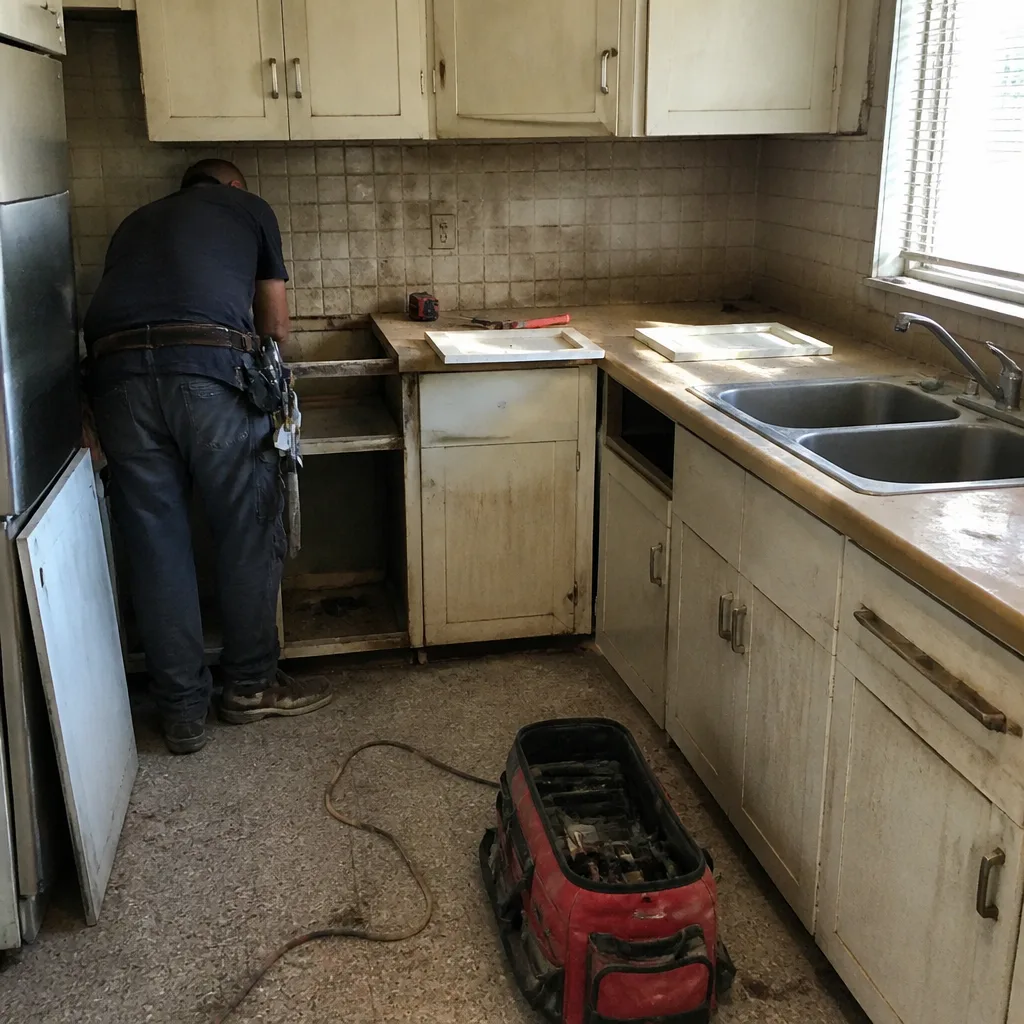
See the difference
 Before
 After
 Before
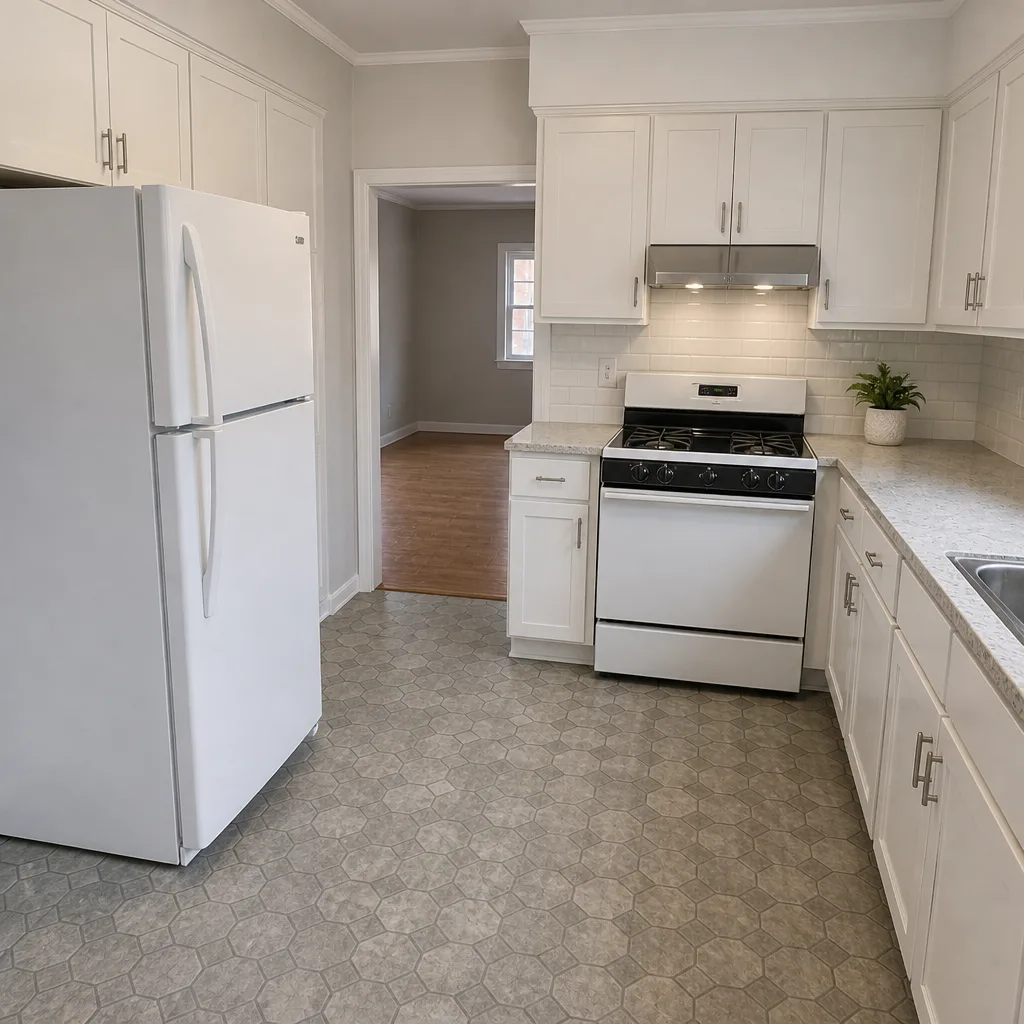 After
 Before
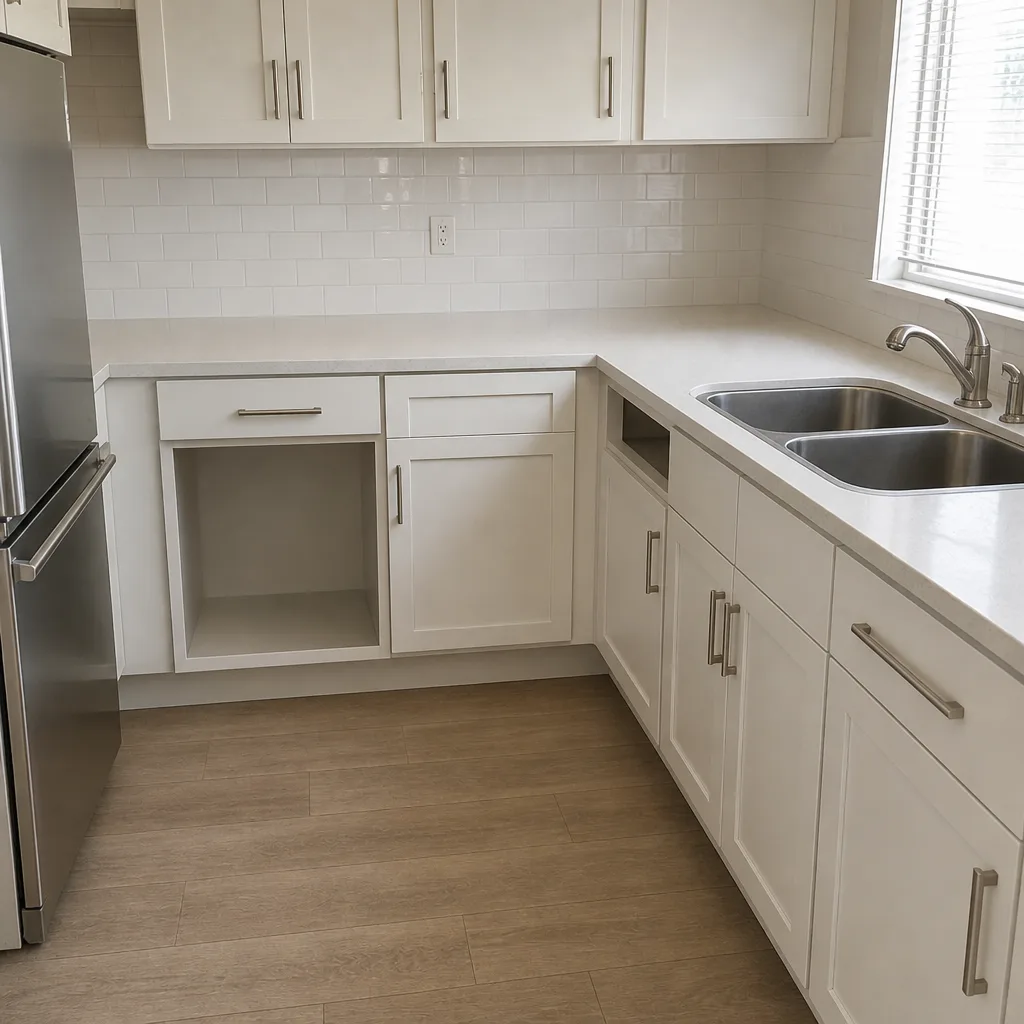 After
When to Call a Professional
Call a professional when the scope needs a permit you can’t realistically carry as an owner-builder. Call when the work touches structure, roofing, electrical, plumbing, or flood zone compliance. Call when the project involves more than one trade, because coordinating them yourself adds a scheduling problem on top of the construction one. And call early if a do-it-yourself project has already gone sideways. A licensed contractor can inspect, quote the correction, and pull the permit before the problem compounds. Construction Miami Beach offers free estimates in Miami Beach, with written line-item quotes, fixed pricing, and permits pulled and inspections passed as part of the job. Call (844) 320-9310. We answer 24/7. Fast dispatch from 7am to 7pm, Sunday through Friday. Closed Saturday. Our technicians have up to 14 years of experience.
Frequently Asked Questions
Yes, for a limited scope. Miami Beach allows homeowners to perform certain work on their own home under an owner-builder permit, which requires a signed affidavit stating you will do the work personally and accept full code responsibility. Interior painting, non-structural landscaping, cabinet hardware, and tile in dry areas generally don’t need permits at all. Anything structural, roofing, electrical, plumbing, or touching flood zone compliance should go to a licensed contractor. Call (844) 320-9310 for an exact quote on the professional scopes.
Unpermitted work becomes part of the property record gap. It can surface during a buyer’s title search, block a resale inspection, and complicate an insurance claim if the work relates to the cause of loss. The correction usually requires a licensed contractor to inspect, remediate, and pull the permit retroactively, which costs more than the original scope would have. Getting it fixed early is almost always cheaper. Call (844) 320-9310 for a free estimate on remediation.
It can. Carriers writing policies on properties in this market increasingly request permit history and treat open permits or unpermitted improvements as a coverage concern. That doesn’t mean every claim gets denied, but it does mean the homeowner carries a risk they didn’t price into the project. Closing or documenting the permit is the way to address it. Call (844) 320-9310 to discuss what closing your open permits would involve – estimates are free.
Only if the scope stays in dry areas and the permit isn’t required. Once the project touches plumbing, electrical, wet-area tile, or the building envelope, the do-it-yourself cost climbs fast because permits, tools, and correction work add up. In our experience, mid-project correction typically runs higher than the original quote would have been. A written line-item estimate makes the comparison honest. Call (844) 320-9310 for a free estimate – the written quote sets the final price.
Most kitchen and bathroom remodels need a permit once they touch plumbing, electrical, or structural work. Cosmetic-only changes like paint, cabinet fronts, or replacing a faucet typically don’t. The right move is to confirm with your city’s building department before you start, because the answer depends on the specific scope. Call (844) 320-9310 for a free estimate on the permitted scope, with permits pulled and inspections passed as part of the job.
Compare against the full do-it-yourself number, not just materials. Add the permit fees, tool rental or purchase, your own time at an honest hourly value, and the potential cost of a licensed contractor correcting a mistake mid-project. That’s the apples-to-apples comparison. Our team will walk through the line items in the written estimate so you can see exactly where the money goes. Call (844) 320-9310 – estimates are free.
The Bottom Line
The do-it-yourself decision in Miami Beach is a permit and insurance decision before it’s a skill decision. Painting, non-structural landscaping, cabinet hardware, and dry-area tile are yours if you want them. Structure, roofing, electrical, plumbing, and anything touching flood zone compliance belong with a licensed contractor, because the exposure sits on your property record for years. Compare a contractor quote to the full do-it-yourself cost, not materials alone. And if a project has already gone wrong, call early. We’ll show you options at different price points and explain the real trade-offs, with a free estimate and a written line-item quote. Call (844) 320-9310. We answer 24/7. Fast dispatch from 7am to 7pm, Sunday through Friday. Closed Saturday.
Written by the team at Construction Miami Beach.