
Last updated November 16, 2026
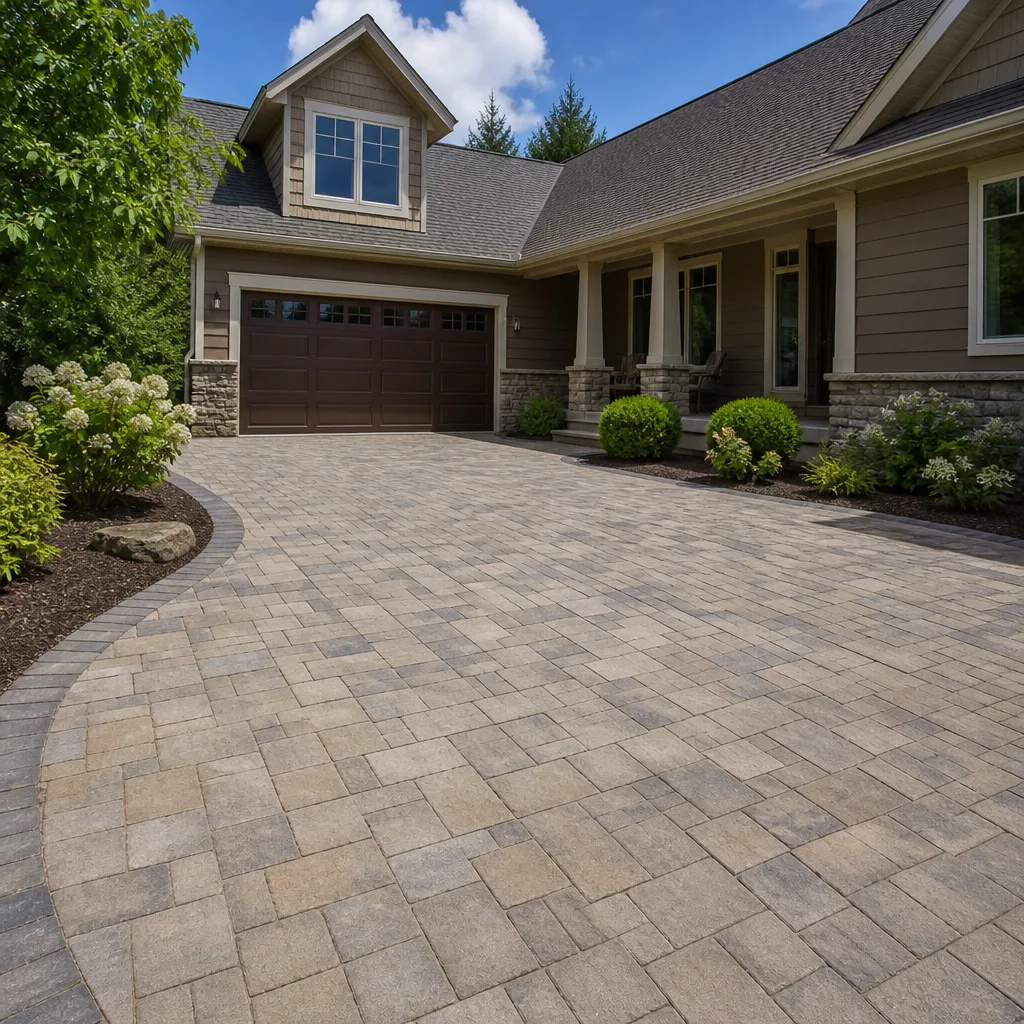 Driveway & pavers
 Kitchen remodeling
 Bathroom remodeling
 Home additions & ADU
 Roofing
 Windows & doors
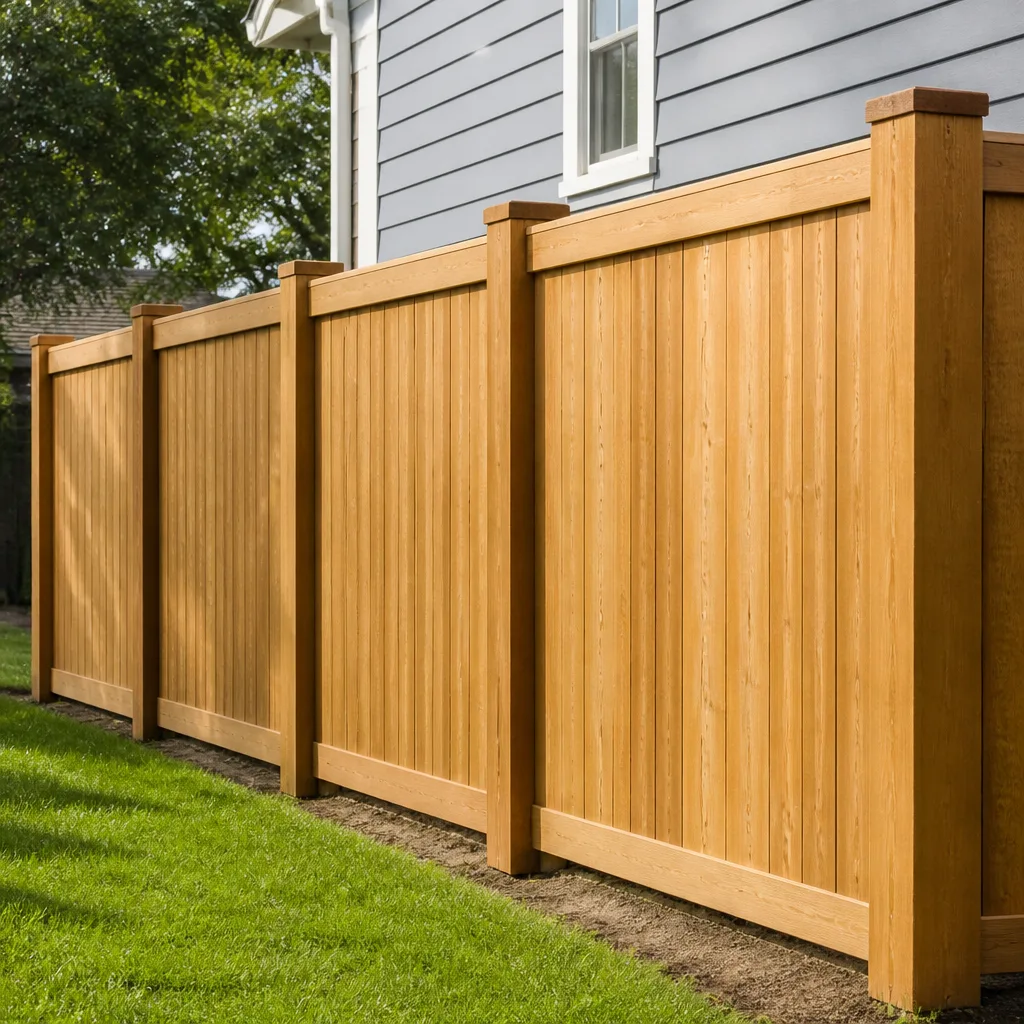 Fence
Free written scope consultation - allowances, timeline, and change-order rules on paper before a single trade is scheduled
Driveway & Pavers Troubleshooting in Miami Beach: Common Problems and How to Fix Them
If your pavers are sinking near the garage apron, the problem almost certainly isn’t the pavers. It’s the compacted base underneath them, and in Miami Beach that base sits close to a water table that rises and falls with every heavy rain. That single fact explains most of what homeowners call “failed pavers” here: sunken sections, loose stones, sand that disappears from the joints, and white powder that keeps coming back. Patching the surface without addressing the base means the same problem returns within one rainy season. In this guide we’ll show you how to diagnose what you’re actually looking at before you spend money on repairs, and how to tell a root-cause repair from a cosmetic patch.
Quick Answer
Most driveway paver problems in Miami Beach come from a base that has lost its compaction, a drainage path that sends water under the pavers instead of away from them, or a chlorinated water source feeding the sand and stone. A sunken section can often be reset and re-leveled for a few hundred dollars, but a broken base that was never built for this water table needs the pavers pulled, the base rebuilt, and a proper drainage layer installed. Telling the two apart before you call anyone is the difference between a small repair and a full rebuild.
Styles & brands we work with
- Kitchen remodeling
- Bathroom remodeling
- Home additions & ADU
- Roofing
- Windows & doors
- Driveway & pavers
- Fence
Table of Contents
- How Do You Diagnose a Paver Problem Before Spending Money?
- Why Do Pavers Sink Near the Garage and Entryways in Miami Beach?
- Is That White Powder Efflorescence or Something Worse?
- Why Does Joint Sand Keep Washing Out in Miami Beach?
- Can a Sunken Section Be Reset, or Does the Base Need Rebuilding?
- How to Read a Repair Quote and What to Ask Before You Sign
- Common Mistakes to Avoid
- When to Call a Professional
How Do You Diagnose a Paver Problem Before Spending Money?
Diagnosis starts with three things you can check yourself, and none of them require tools. Do them before you call a repair company so you can describe what you’re seeing in specific terms. Anyone who gives you a quote without asking about these is quoting the surface, not the cause.
The first check is where the water goes after a hard rain. Watch the runoff on your driveway during the next storm and see whether it sheets toward the street, toward the house, or pools somewhere in between. Water that drains toward the foundation is the most common trigger for the sinking you see near entryways and garage aprons.
The second check is where the defect sits. A single sunken stone is usually a localized base issue. A whole area – a footer, a strip along the garage, a row next to a downspout – points to a drainage or compaction problem underneath. That distinction changes the repair.
The third check is what the sand is doing. Run a broom across the surface and look at how much joint sand you sweep up. In a healthy Miami Beach installation, the joints should hold their fill for a couple of seasons before you notice bare pockets. Sand that disappears every few months means water is moving through the joints faster than the sand can settle.
Once you’ve done these checks, walk the driveway and mark (with a piece of chalk or a small flag) each area that’s sunk, rocking, or holding water. Then count them. One or two areas means a targeted repair. Six or more, spread across the surface, usually means the base never had the compaction to handle this soil. That is the difference between a repair and a rebuild, and it’s the conversation to have with whoever comes out. We work with pavers from Belgard, Unilock, Tremron, Techo-Bloc, and Cambridge Pavers, so we can match an existing pattern and color when only part of the driveway needs replacing, and we’ll tell you honestly when a partial match won’t be worth it.
Why Do Pavers Sink Near the Garage and Entryways in Miami Beach?
Pavers sink near the garage apron and entryways because that’s where water concentrates and where the base sits closest to the water table. Miami Beach is built on low, sandy ground and rainfall saturates quickly. The base course has to be compacted in thin lifts and graded to move water away, not just downward. When that base is short on compaction or the drainage falls flat, the sand below the bedding layer migrates and the pavers lose their support from underneath.
Three specific failures cause most of the sinking we see:
- Clogged weep screed or drainage edge. The weep screed and edge restraints are supposed to give water a path out of the base layer. When they clog with sand, soil, and debris, water has nowhere to go but up, and the base loosens.
- Negative slope toward the foundation. A flat or slightly pitched-toward-the-house grade sends every rain event toward the slab edge. That’s why the sinking is so often next to the garage and the front door, not in the middle of the driveway.
- Undersized catch basin. If the driveway has a drain, and the catch basin was sized for a gentler climate, the first heavy Miami Beach rain overwhelms it. Water backs up under the pavers, the bedding sand washes, and the section sinks.
Identifying which one you have is straightforward. Look for water pooling in the same low spot after every rain – that’s a slope or catch basin problem. Look for sand collecting at the edge restraints and a soft, spongy feel underfoot along the curb – that’s a weep screed or drainage path problem. Look for a sunken section that follows a downspout – that’s a roof drainage problem disguised as a paver problem. Each one is fixed differently, and none of them is fixed by pouring new sand in the joints. If the driveway already has chronic drainage issues, the fix often pulls in related work, which is why we handle the driveway along with the whole exterior as part of our Construction Miami Beach scope. A clogged drain line that runs behind a fence line, for example, gets sorted at the same time as a fence installation so you’re not chasing the same water twice.
Is That White Powder Efflorescence or Something Worse?
Efflorescence is a white, powdery salt deposit that sits on the surface of the paver and brushes away easily. It’s cosmetic. Spalling is a flaking or crumbling of the paver face itself, and it’s structural – the stone is breaking down. The distinction matters because efflorescence can be cleaned and re-sealed, while spalling cannot be repaired and means the affected pavers get replaced. Most quick repair quotes skip this distinction and just pressure-wash both, which returns the spalling to a worse state within a few months.
Here’s how to tell them apart:
- Wipe test. Drag a dry finger across the white area. If it comes off as a fine dust, it’s efflorescence. If the surface feels gritty and the white stays put, you’re looking at the beginning of spalling.
- Look at the edges. Efflorescence appears as a film on the surface. Spalling shows up first at the corners and edges, where the paver face is pitting and flaking.
- Check the water source. Efflorescence comes from salts migrating through the paver as moisture moves through it. In Miami Beach that moisture carries dissolved chlorides from the ground and from local water, and those chlorides are what eventually feed spalling in pavers that aren’t dense enough for this market.
So what’s the practical difference for a Miami Beach homeowner? Efflorescence is manageable with cleaning, drying time, and the right sealer applied at the right point in the season. Spalling means the paver itself has failed, and no amount of cleaning or sealing brings it back. The pavers that hold up best here are tight, low-absorption concrete or natural stone selected for the climate, not the cheapest option on the pallet. When we spec a replacement paver for a repair, we choose from the same lines we use on new installs, so the fix is not a different quality of stone sitting in the middle of the driveway. If you’re weighing a full reinstall versus a repair, our guide to driveway & pavers walks through material selection for this climate.
Why Does Joint Sand Keep Washing Out in Miami Beach?
Joint sand washes out in Miami Beach because the volume of rain here is higher and more intense than in most of the country, and standard sand can’t hold against that concentrated flow. Every heavy storm sends water sheeting across the pavers, and that water finds the joints. Polymeric sand was developed for exactly this: the polymer in the mix cures and locks the sand into place instead of letting it flow. But not every polymeric sand is equal, and the application schedule matters as much as the product.
What we look at when we specify joint sand for a Miami Beach driveway:
- Polymer content and cure time. Higher-polymer, faster-curing products handle rain better in the first weeks after installation, which is when a new install is most vulnerable.
- Joint width and depth. Wider joints need a different grade of sand than narrow ones. If the sand was specified for the wrong joint width, it will not lock even if it’s a good product.
- Sealing schedule. Inland markets can often wait years between re-seals. In Miami Beach, a penetrating sealer applied on a proper cycle keeps the polymeric sand from breaking down early and slows moisture movement through the paver. Skipping re-sealing is the single most common reason the sand starts washing out again.
- Application conditions. Polymeric sand should not go in if rain is coming within the cure window. On a Miami Beach schedule you watch the forecast closely, because a sudden afternoon storm can wash out a fresh install before it cures.
The corollary to all this is that “top off the joints with sand” is not a repair. If the joints are empty every few months, the water is coming through faster than the sand can hold, and the fix is re-sanding with the correct polymeric product and re-establishing the drainage path underneath. Otherwise you’re just paying for sand.
Can a Sunken Section Be Reset, or Does the Base Need Rebuilding?
A single sunken section can usually be reset and re-leveled if the base under it is still compacted and the drainage path is intact. If the base has failed – meaning the sand is loose, the subgrade is soft, or the sinking has returned to the same spot after a previous patch – the base needs to be pulled and rebuilt. The visible tells below separate a reset from a rebuild.
Signs a sunken section can be reset:
- The pavers themselves are intact, with no spalling or cracked faces.
- The sinking is confined to one area, usually next to a downspout, a low spot, or a utility box.
- The base under the pavers is still firm a few inches down when you probe it with a screwdriver or a stiff wire.
- The edges around the sunken area still hold, and the edge restraints are not pulling out.
Signs the base needs rebuilding:
- The sinking is broad and follows a line rather than a point.
- The pavers rock when you step on them across a whole area.
- You’ve had a patch in the same spot before and it failed within a season.
- The soil you find when you lift a paver is wet clay-like muck rather than compacted granular fill.
- The joints have been washed out repeatedly and the sand never holds.
Here’s the part quote-shoppers miss: the two jobs cost very different amounts, and a contractor who can’t tell the difference will quote you the rebuild on a reset problem, or the reset on a rebuild problem. A reset means lifting the affected pavers, re-compacting and re-grading the base in that section, resetting the pavers, re-sanding, and re-sealing. A rebuild means pulling the entire affected area, removing the failed base, installing a proper compacted base with a drainage layer, and reinstalling. The written estimate should say which one is happening and why. We build the estimate line by line so you can see that distinction, and we don’t do change orders once the price is set.
One more note for Miami Beach homes near the water: if the rebuild touches a shared drainage line or the driveway apron meets the public sidewalk or right of way, the scope may pull in permits and coordination with the city. Most cities require a permit when the work affects the right of way, so ask your city’s building department before any work begins. We pull the permits and pass the inspections as part of the job so the finished driveway is compliant, not just level.
How to Read a Repair Quote and What to Ask Before You Sign
A good repair quote names the root cause, the scope of the fix, and the drainage correction that prevents the same failure from returning. A bad quote lists square footage and a price. Before you sign anything, ask three questions that separate the two.
- “What is the cause of this specific failure, and how did you identify it?” If the answer is “the pavers are old” or “the sand washed out,” they’re quoting the symptom. The right answer names a slope, a drainage path, a compaction failure, or a moisture source, and it’s specific to your driveway.
- “What drainage correction is included?” A reset that doesn’t address why water got under the pavers will fail in the next rainy season. The best quote includes either a slope correction, a weep screed or drainage path repair, a catch basin upgrade, or a redirect of the downspout that caused the problem.
- “Will the price change once work starts?” Line-item quotes with fixed pricing and no change orders protect you. If a contractor can’t commit to a price, they can’t commit to a scope. The written estimate should set the final price.
Two more things worth checking before work starts. First, ask whether the repair will match the existing paver line and color; a mismatch on a partial reset is often more visible than the sinking was. Second, confirm the company is licensed, insured, and bonded for the work. We can’t speak for other contractors, but on our jobs the license, insurance, and permits are all in order before a single paver is lifted. If you want to see how a full-scope contractor handles the driveway alongside the rest of the exterior, our fence installation and hardscape work run on the same schedule, and a project that touches both gets one accountable crew, not two contractors blaming each other.
Common Mistakes to Avoid
- Pressure-washing spalling pavers. Pressure washing drives water into the failing surface and accelerates the breakdown. If pavers are spalling, they need replacement, not a wash.
- Re-sanding joints without fixing the drainage. Top-off sand is a temporary cosmetic patch. If the joints keep emptying, water is finding a path under the pavers and the sand is a symptom, not the cause.
- Adding sand on top of sinking pavers. A layer of sand over a sunken section hides the problem for a few weeks and makes the next repair harder, because the added material changes the grade and drainage.
- Ignoring the downspout. A surprising number of Miami Beach paver failures start with a roof downspout that dumps water onto the driveway instead of into a drain. Fixing the downspout often costs far less than rebuilding the base it undermined.
- Choosing the cheapest paver for a repair. The cheap paver absorbs more water and is more likely to spall here. Match the density and quality of the existing installation, not the lowest price per square foot.
- Skipping the sealer schedule. In this climate, a penetrating sealer on a regular cycle keeps polymeric sand locked in and slows moisture movement through the joints. Skipping it is the fastest way to repeat the problem.
- Accepting a quote without a root-cause explanation. A quote that lists square footage and a price but doesn’t name the cause is a patch, not a repair, and the same spot will fail.
When to Call a Professional
Call a professional when the sinking is broad, when the same spot has already been patched and failed, when you’re seeing spalling rather than efflorescence, or when the repair involves the base course and drainage underneath the pavers. Those are the jobs where the wrong call costs real money and the right one saves a rebuild. Also call when the driveway touches the public right of way, the sidewalk, or a shared drainage line – that’s permit territory, and it’s not a weekend job.
What we offer on those calls is a diagnosis first: we walk the driveway, identify which of the three failure modes caused the problem, and give you a written line-item estimate with fixed pricing and no change orders. If the project is bigger than the driveway, we can handle the driveway along with a home additions & ADU scope, a fence line, or a full exterior refresh, so one contractor is accountable for the whole project. Our technicians have up to 14 years of experience. Construction Miami Beach offers free estimates in Miami Beach: call (844) 320-9310. We answer 24/7. Fast dispatch from 7am to 7pm, Sunday through Friday.
See the difference
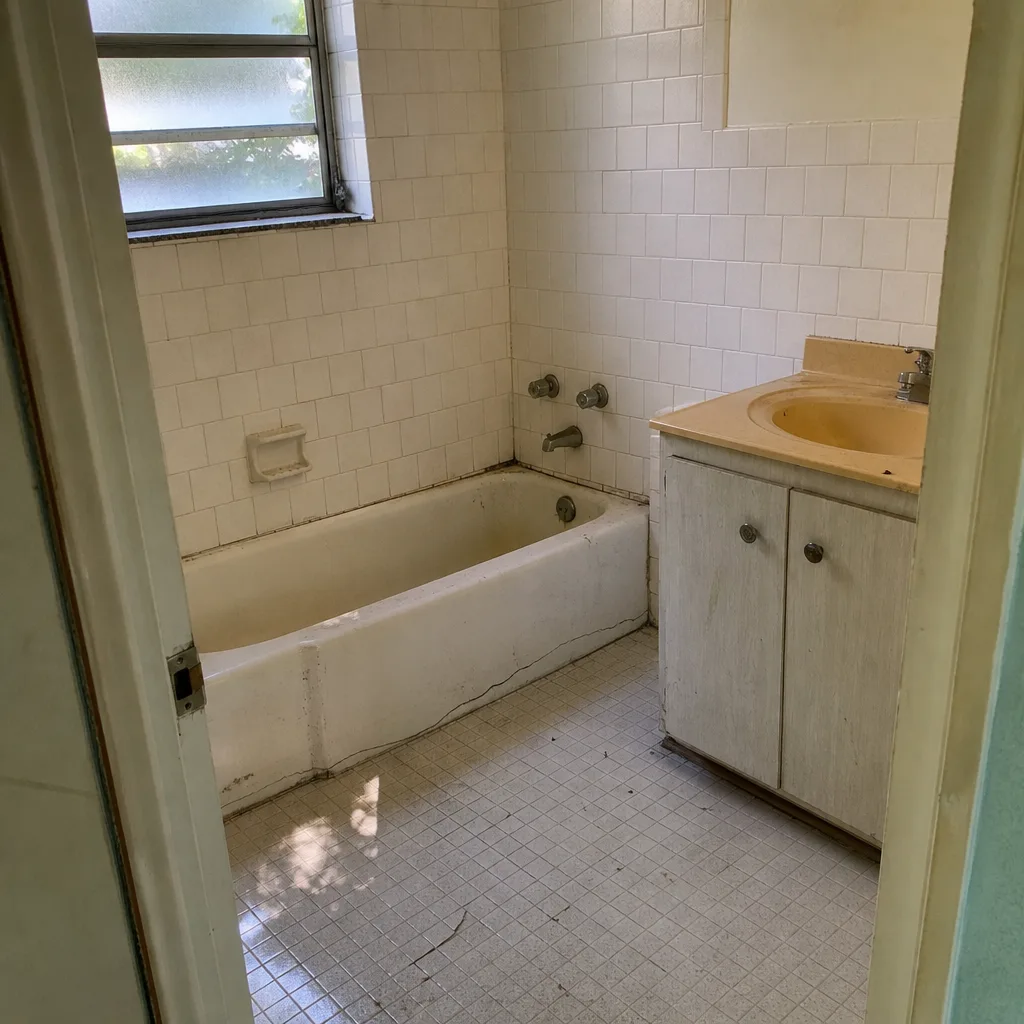 Before
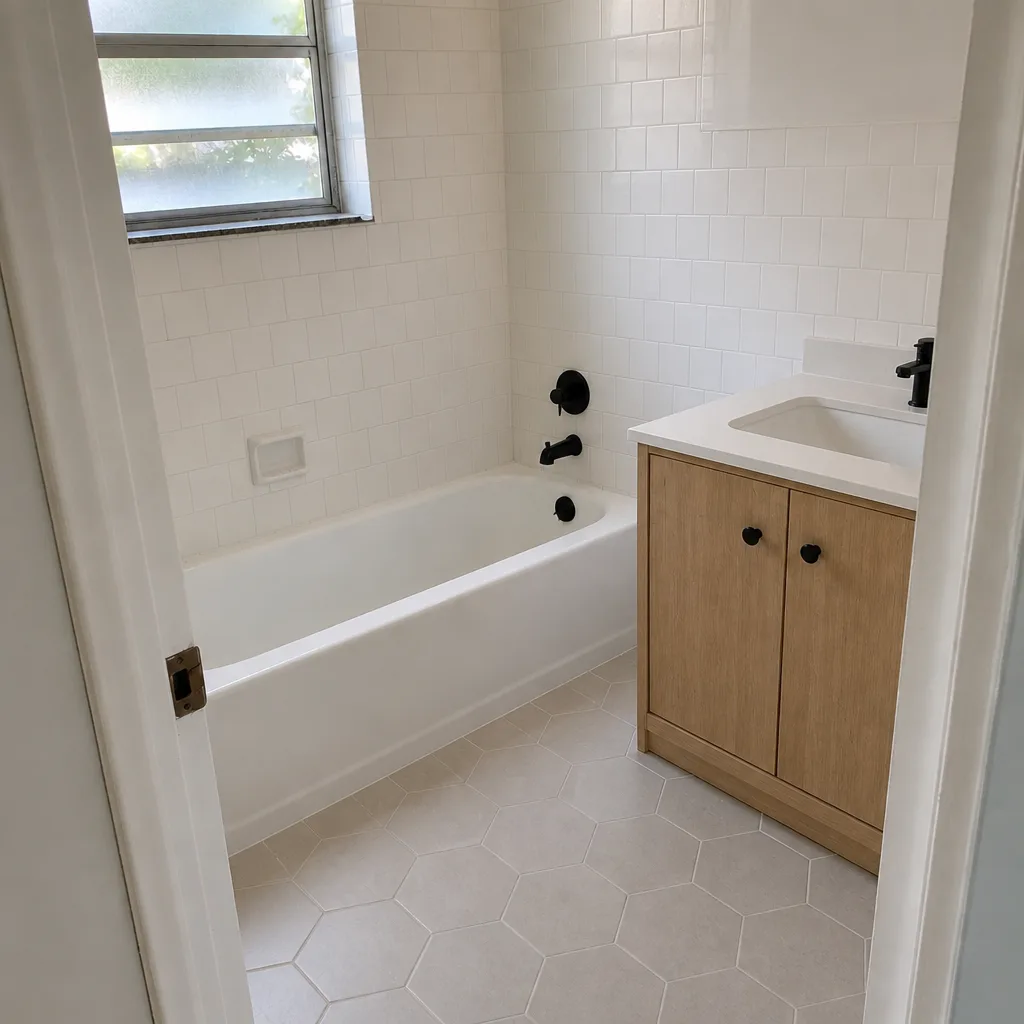 After
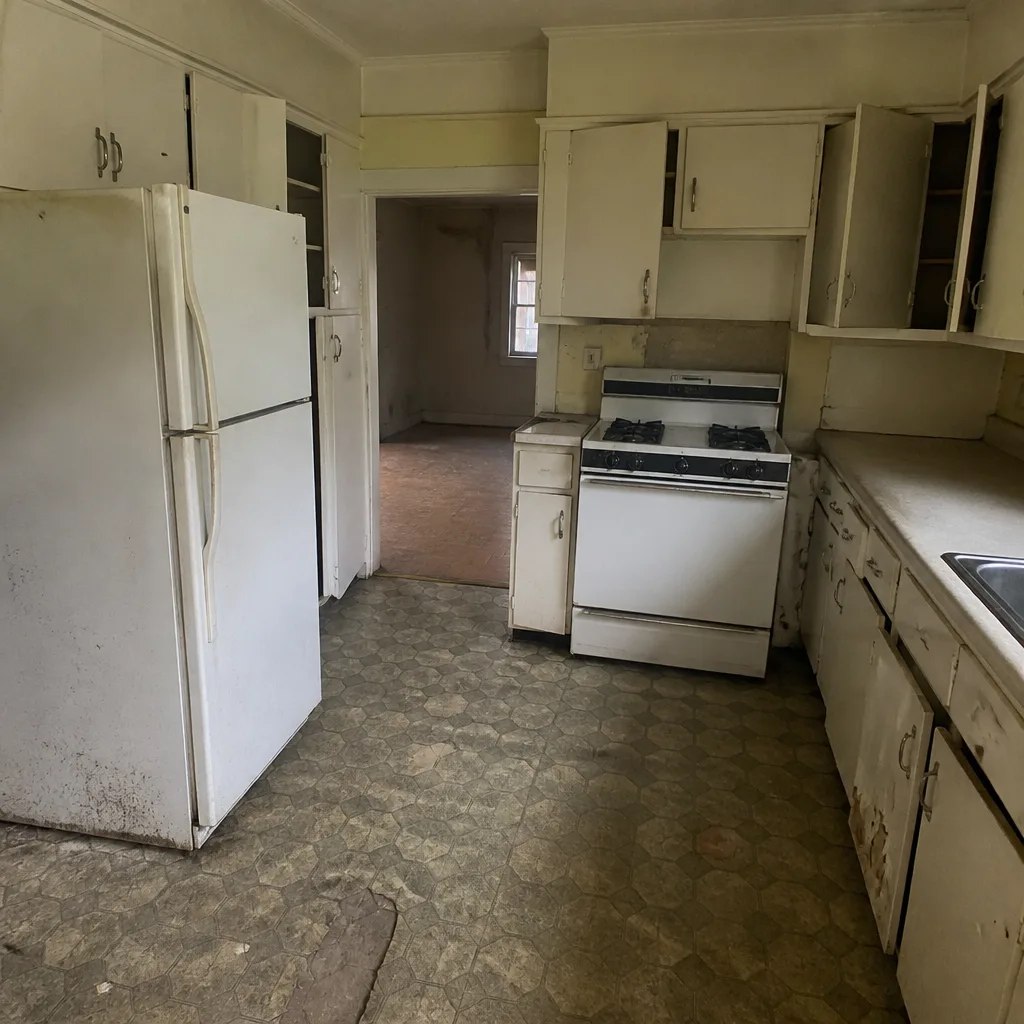 Before
 After
 Before
 After
Frequently Asked Questions
A targeted reset and re-level of a single sunken section typically runs a few hundred dollars, while a rebuild that pulls the failed base and reinstalls a drainage layer runs into the low thousands. The difference depends entirely on whether the base under the pavers is still sound. Call (844) 320-9310 for an exact quote – estimates are free.
No. We use a written line-item estimate with fixed pricing and no change orders, so the estimate sets the final price. The scope is spelled out before any paver is lifted. Call (844) 320-9310 to schedule your free estimate.
Yes, when the work touches the public right of way, the sidewalk, or a shared drainage line. Most cities require a permit for that scope, so ask your city’s building department before any work begins and we’ll pull the permit and pass the inspection as part of the job. Call (844) 320-9310 to talk through your scope.
A single-section reset is usually a short job; a full base rebuild takes longer because the base is compacted in lifts and allowed to set before the pavers go back down. We give you a timeline with the written estimate. Call (844) 320-9310 for details on your specific driveway.
Efflorescence cleaning and re-sealing are tasks a homeowner can manage. Anything involving the base course, drainage correction, or the edge restraints is a professional job – a bad base makes the problem worse, and resetting pavers without fixing the drainage guarantees the same sinking next season. Call (844) 320-9310 for a diagnosis before you start.
Because that’s where water concentrates and where the base is closest to the water table. Slope, a downspout that dumps onto the driveway, or a catch basin that can’t keep up all send water under the pavers near the apron and not in the middle of the driveway. Fixing the water path is the first step. Call (844) 320-9310 for a free estimate.
Efflorescence is a powdery salt film on the surface that brushes away and can be cleaned and sealed. Spalling is the paver face itself flaking and crumbling, which means the paver has failed and needs replacement. If you’re not sure which you have, call (844) 320-9310 and we’ll tell you before you spend money on a cleaning that won’t help.
More often than in inland markets, because the rainfall and humidity here break down the polymeric sand faster. A penetrating sealer applied on the right cycle keeps the joints locked and slows moisture movement through the pavers. We set the schedule with the estimate. Call (844) 320-9310 to talk through your driveway.
The Bottom Line
Most driveway paver problems in Miami Beach trace back to the base, the drainage, or the water chemistry under the surface – not the pavers themselves. Efflorescence is cosmetic and fixable with cleaning and sealing. Spalling is structural and means replacement. Sinking can be a reset or a rebuild, and the visible tells tell you which. Joint sand that keeps washing out is a drainage and product problem, not a sand problem. The one thing every fix has in common: it has to address the root cause or the same failure returns in one rainy season. Diagnose first. Then spend.
Written by the team at Construction Miami Beach.