
Last updated November 16, 2026
 Home additions & ADU
 Kitchen remodeling
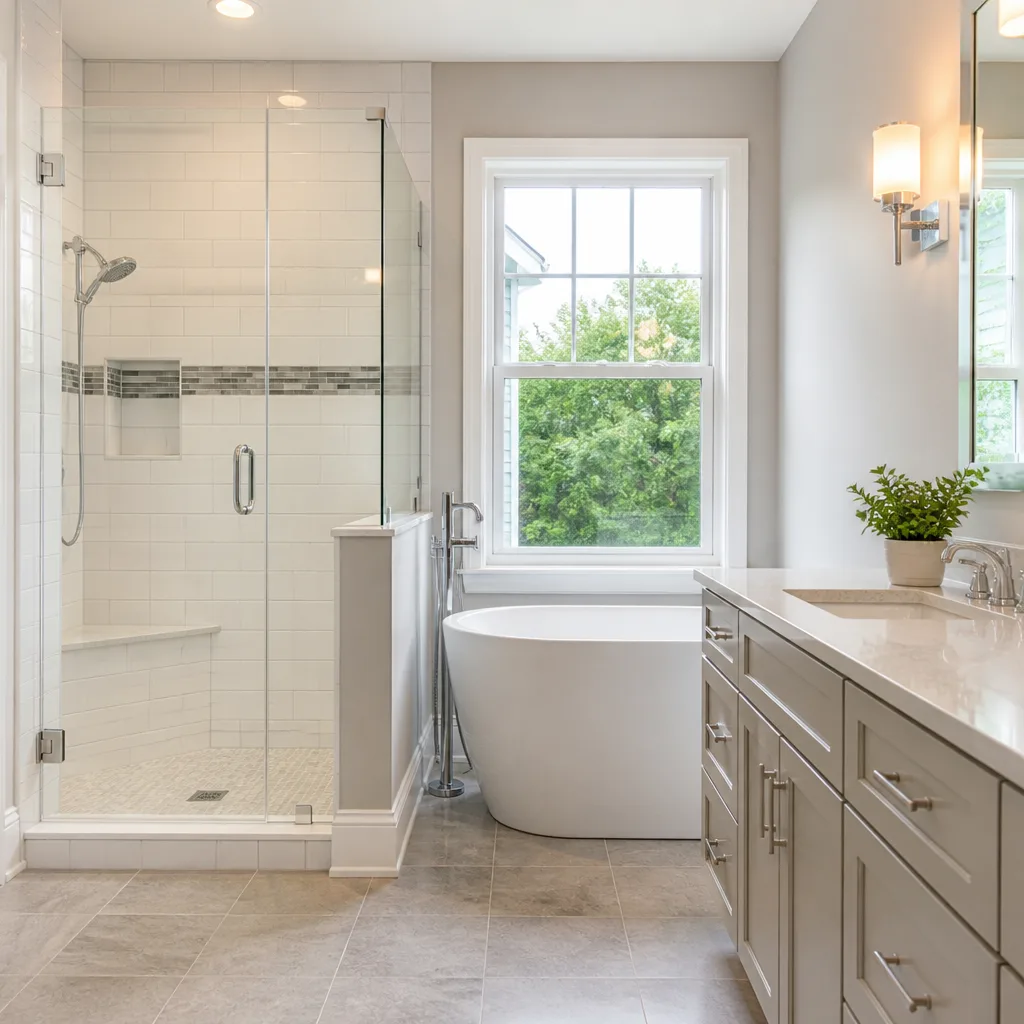 Bathroom remodeling
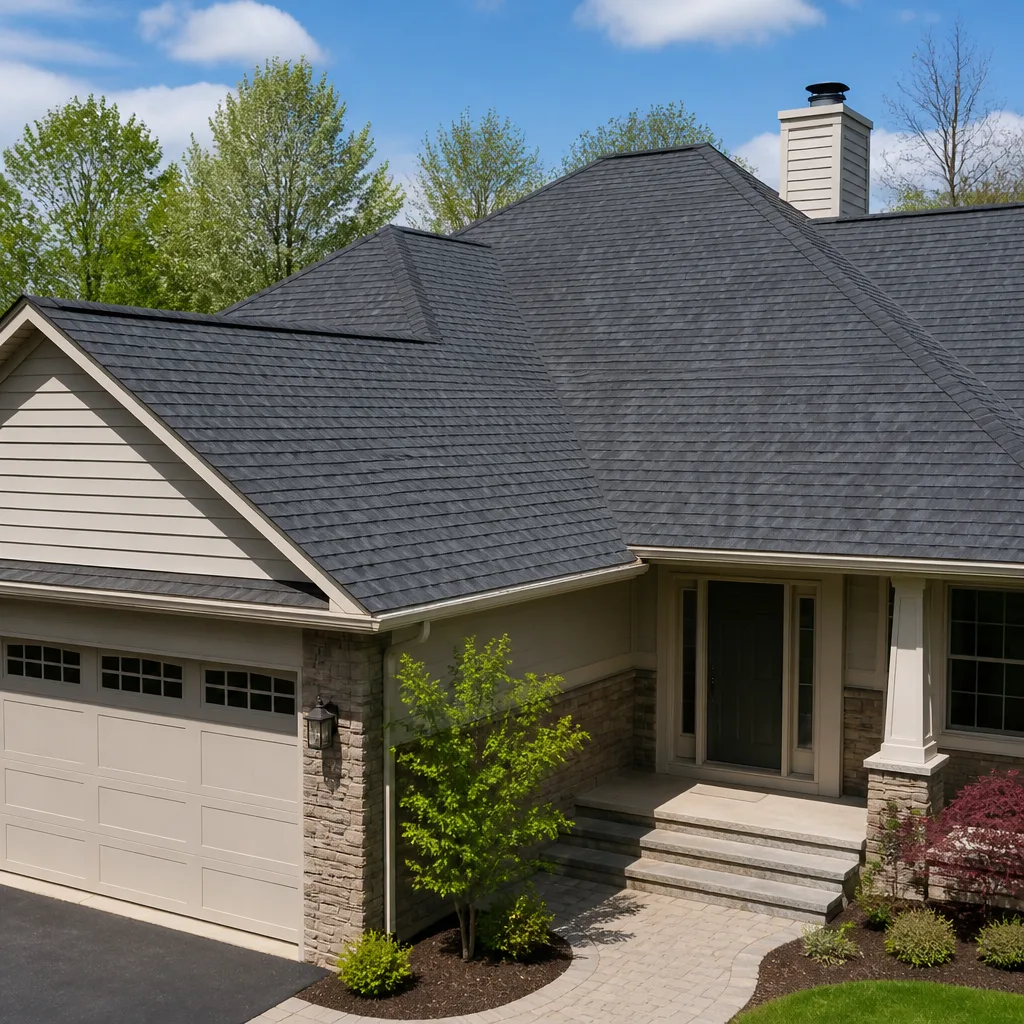 Roofing
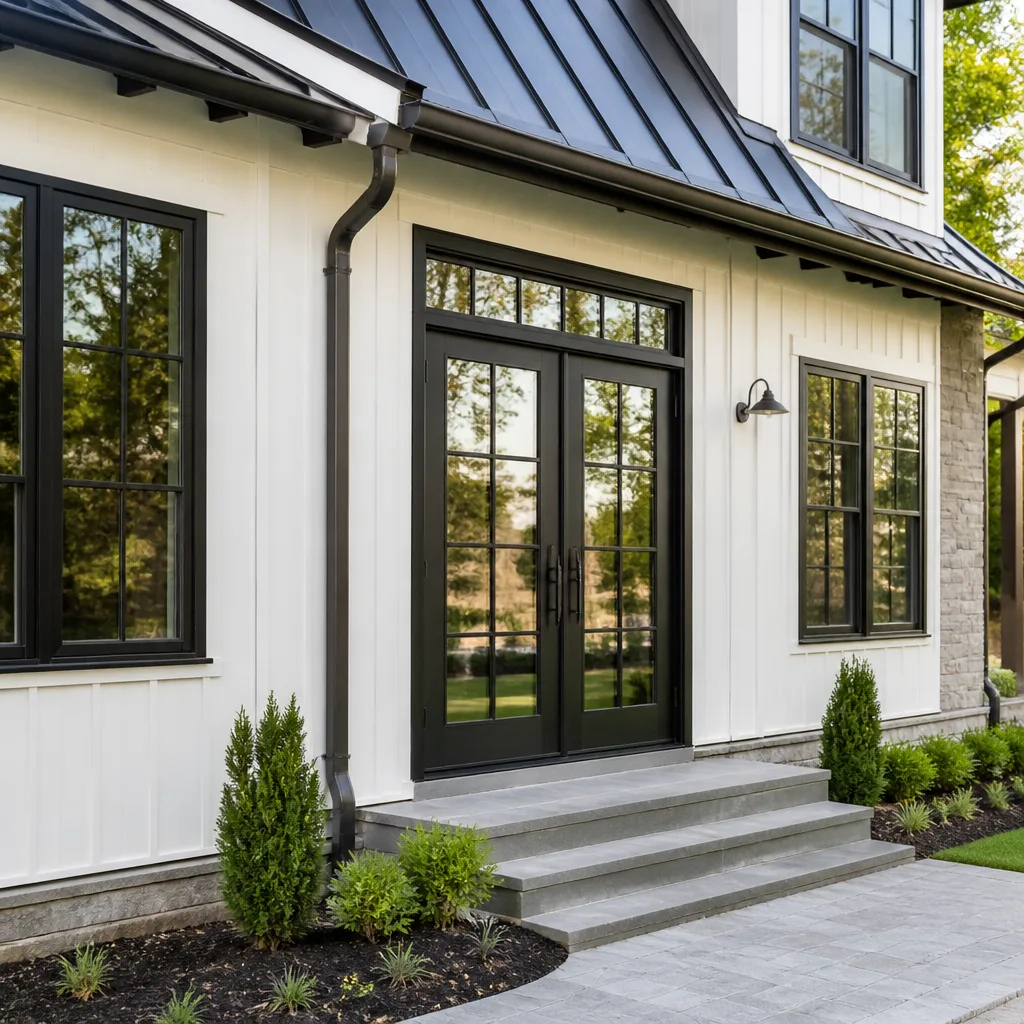 Windows & doors
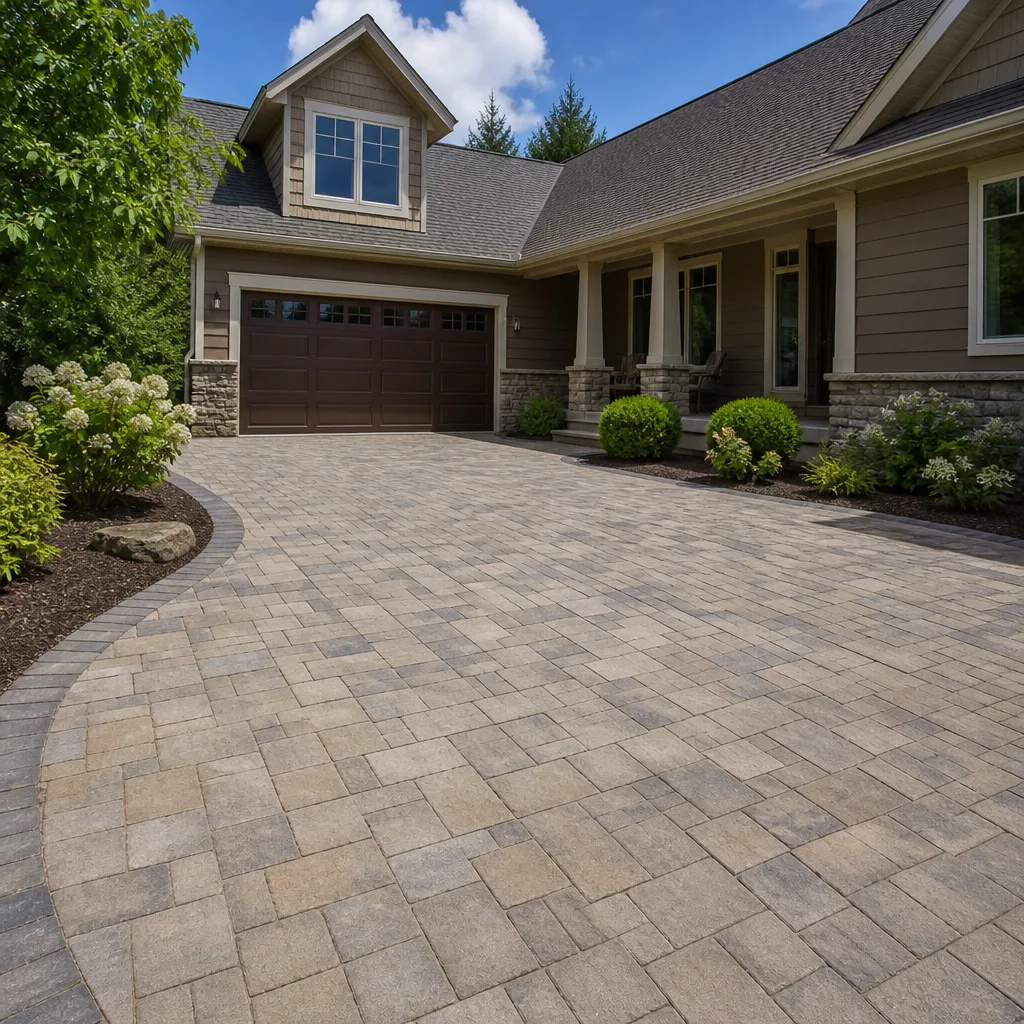 Driveway & pavers
 Fence
Free written scope consultation - allowances, timeline, and change-order rules on paper before a single trade is scheduled
Seasonal Construction Care for Miami Beach: Year-Round Homeowner’s Guide
The window to complete exterior construction, seal surfaces, and schedule inspections before hurricane season is roughly ten weeks, and most homeowners here don’t plan around it. June 1 arrives whether the stucco is patched or not. That’s the counterintuitive part of building and maintaining a home in Miami Beach: we don’t have four seasons in any traditional sense. We have a dry season, a hurricane season, and narrow shoulder windows where the right work has to happen to protect what you’ve already built. This guide lays out that calendar month by month, from pre-season prep and wet-season job-site behavior to the post-storm inspection routine and the dry-season construction window that most homeowners wait too long to book.
Quick Answer
Year-round construction care in Miami Beach follows a storm-driven calendar, not a temperature-driven one. Exterior work, sealing, anchoring, and inspections should be finished before June 1, active projects need a wet-season protection routine from June through October, roofs and openings get a post-storm inspection after any named system, and major exterior projects are best scheduled during the dry months from November through April when lead times are longest. UV exposure and salt air drive year-round maintenance regardless of whether a storm ever forms.
Styles & brands we work with
- Kitchen remodeling
- Bathroom remodeling
- Home additions & ADU
- Roofing
- Windows & doors
- Driveway & pavers
- Fence
Table of Contents
- The Pre-Hurricane Season Checklist (March Through May)
- How Active Job Sites Behave in Wet Season (June Through October)
- Post-Hurricane Inspection Protocol
- Dry Season Is Construction Season (November Through April)
- UV and Salt Air: The Maintenance Drivers That Never Take a Season Off
- A Month-by-Month Maintenance Calendar
- Common Mistakes to Avoid
- When to Call a Professional
The Pre-Hurricane Season Checklist (March Through May)
June 1 is the line. Everything that can be inspected, sealed, anchored, or cleared should be finished before it, and ten weeks is about the realistic runway once you factor in scheduling and material lead times. Prioritize by what actually fails first in a storm here: roof edges and penetrations, openings, and anything loose at grade.
1. Inspect the roof perimeter and every penetration. Ridge caps, drip edges, vents, and any pipe or chimney flashing are where water gets in first. A missing or lifted shingle edge lets wind peel a whole slope. If your roof is older, get a professional assessment rather than a visual check from the ground.
2. Check soffits and fascia. These are the first things wind grabs. A loose soffit panel becomes a projectile and opens the attic to rain at the same time.
3. Confirm every opening is impact-rated and properly anchored. Impact windows and doors matter, but so does the anchoring behind them. We work with impact-rated and specialty lines from PGT, CGI, and ECO Window Systems specifically because the hardware and anchoring detail is where performance lives, not just the glass.
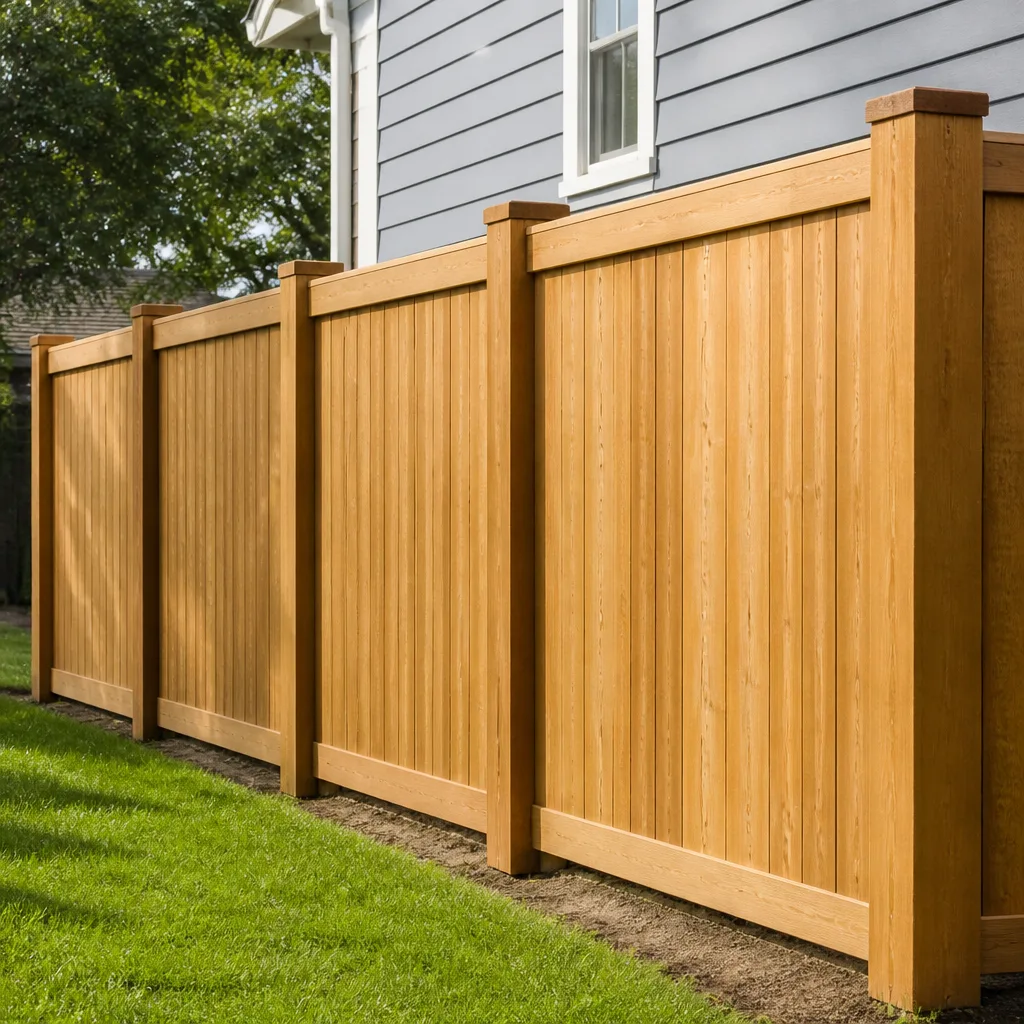
4. Clear and secure the yard. Paver surfaces get checked for loose units and settled joints, fences for wobbling posts, and everything loose gets stored. We install fencing from manufacturers like Ameristar and ActiveYards with anchoring rated for wind exposure, and that anchoring is exactly what a pre-season inspection should confirm.
5. Review drainage at grade. Driveways, paver patios, and swales should shed water away from the structure. Ponding at the foundation is a slow problem during wet season and a fast one during a storm.
How Active Job Sites Behave in Wet Season (June Through October)
Wet season doesn’t stop construction, but it changes what can proceed safely and how a site has to be managed. Interior work keeps moving. Exterior work gets sequenced around weather windows, and a good site plan assumes afternoon rain rather than hoping it holds off.
What can proceed without much interruption:
- Kitchen and bathroom remodels, cabinetry, countertops, and fixture installation. We work with KraftMaid and Wellborn cabinetry and Cambria and Silestone surfaces, and none of that cares about a rainy afternoon.
- Rough framing, rough-in plumbing and electrical, drywall, and interior finishes under a dried-in roof.
- ADU and addition interior phases once the structure is closed. Our prefab and modular options through Abodu, Boxabl, and Plant Prefab can shorten the on-site window considerably, which matters in this season.
What needs active protection:
- Open roofs get temporary dried-in membrane and weighted edges daily, not weekly.
- Stucco and paint need dry substrate and the right curing window. We schedule these to morning starts and protect fresh work with sheeting.
- Paver and hardscape bases get covered or drained so the bedding stays compacted and doesn’t rut.
- Material storage gets elevated and covered. Standing water at a job site is a schedule problem and a mold problem.
The single biggest wet-season failure we see is a roof left open overnight without a proper temporary seal. It’s a ten-minute task that saves weeks.
Post-Hurricane Inspection Protocol
After a named storm passes, inspect even if nothing looks wrong from the street. Much of the damage that shows up months later started as a hairline breach that no one checked. Work top to bottom and outside in.
- Roof penetrations and edges. Look for lifted shingles, cracked sealant at vents, and pulled flashing. Hairline gaps let water into the deck where you can’t see it.
- Soffits and fascia. Check for panels that are loose, cracked, or separated at the wall line. Wind-driven rain gets behind a partially attached soffit and wicks into the framing.
- Impact windows and doors. Inspect frames, gaskets, and hardware. A window can survive the storm and still lose its seal. Check for water staining on the interior jamb, which tells you the perimeter seal failed.
- Pavers and hardscape. Walk the driveway and patio looking for rocking units, sand loss in the joints, and any displaced edge restraint. A lifted edge lets the whole field migrate.
- Fencing and gates. Posts lean and hinges pull after sustained wind. A gate that latches today but scrapes tomorrow is telling you the post has moved.
- Attic and interior. Look for new water stains on the ceiling, at the top of walls, and around skylights. Photograph everything before you touch it.
If anything on this list is uncertain, get a professional assessment before the next system forms. Cosmetic fixes done before a real inspection often hide the problem rather than solve it.
Dry Season Is Construction Season (November Through April)
The dry months are when major exterior projects should happen, and this is where homeowners lose the most time. Everyone waits until they have a problem in spring, then books a roof or window replacement into the ten weeks before June 1. That’s the peak-season crunch, and it’s avoidable.
Why the dry window fits exterior work so well:
- Roofing crews can tear off and dry in without racing weather. We install roofing systems from GAF, CertainTeed, Owens Corning, IKO, Atlas, and Tamko, and the shingle or tile choice is best made with a clear understanding of warranty and wind rating rather than picking under pressure.
- Stucco, paint, and sealants cure predictably.
- Paver and hardscape installation doesn’t fight saturated subgrade. We source pavers and hardscape through Belgard, Unilock, Tremron, Techo-Bloc, and Cambridge Pavers, and the dry season keeps the base stable through the install.
- Window and door replacement closes a house up tightly before storm season. Impact-rated lines take lead time, and ordering in the dry season avoids a summer install.
Lead times are the practical point. December through February is the quietest window for exterior scheduling. March and April fill first. If you’re planning a full driveway & pavers rebuild or a fence installation, book it in late fall and the calendar works in your favor.
UV and Salt Air: The Maintenance Drivers That Never Take a Season Off
Storms get the attention, but UV exposure and salt air do steady damage every month of the year. Miami Beach sits in one of the harshest exposure environments in the country, and the maintenance calendar here reflects that. Surfaces fade and chalk, coatings break down, joint sealants dry out, and salt deposits sit on everything that faces the weather.
Recoating and resealing schedules that hold up in this market:
- Powder-coated aluminum and steel: inspect annually, touch up any scratches immediately, and plan a recoat cycle based on visible chalking rather than a fixed number of years. Scratches on coated metal are the entry point for corrosion.
- Painted concrete and stucco: expect exterior paint to look tired faster here than it would inland. A clean and recoat cycle most homeowners land on is roughly every several years, driven by UV chalking on south and west exposures.
- Wood trim: this is where UV does the most visible damage. Yearly inspection and frequent resealing of end grain and joints, where water sits longest.
- Roof sealants and flashing: check annually and re-seal serviceable details before storm season rather than after a leak.
- Paver joint sand and sealers: joints lose sand and sealing extends the life of the surface finish.
The pattern to hold onto: if a surface faces sky or weather, it has an inspection cycle. Nothing here is “install and forget.”
A Month-by-Month Maintenance Calendar
This calendar assumes a typical Miami Beach year, with dry season from November through April and wet season from June through October. The shoulder months are where the real work happens.
- November and December: Book major exterior projects. This is the dry-season opening window and the best lead times of the year.
- January and February: Roof, window, and impact-door replacements. Reseal exterior wood and metal. Schedule a full roof inspection.
- March: Pre-season inspection and priority repairs. Check soffits, fascia, and flashing. Order anything with a lead time.
- April: Anchor checks, drainage review, fence and gate anchoring. Complete any remaining exterior work before the deadline.
- May: Final pre-season sweep. Confirm window and door seals, clear gutters and drainage, secure the yard.
- June through October: Wet season. Interior projects, active-job protection, temporary roof seals. Keep the post-storm inspection list on hand.
- After any named storm: Run the full post-storm protocol before repairing anything cosmetic.
- Year-round: Keep to the UV and salt air maintenance cycles on coated metal, painted surfaces, and wood trim.
Multi-phase projects are where planning this calendar early pays off. A homeowner planning a kitchen remodel plus a new roof plus a patio can sequence it across the shoulder windows so the same contractor manages the dry-in, the interior, and the hardscape without jobs overlapping into storm months. That’s the advantage of working with a company that handles every phase of the project rather than coordinating separate trades. If an ADU or addition is in your plans, the calendar matters even more, since prefab and modular systems have their own lead times to align with the dry season. See our home additions & ADU guide for how that sequencing typically works.
Common Mistakes to Avoid
- Booking exterior work in May. The ten-week window closes quickly, and every homeowner who waited calls at once. Plan around the calendar, not the problem you’ve just noticed.
- Treating a post-storm “looks fine” as confirmation. The damage that shows up months later came from a breach no one inspected. Do the roof-to-grade walk before doing cosmetic repairs.
- Leaving a roof open in wet season without a temporary seal. It’s the fastest way to turn a one-week delay into a full interior repair.
- Choosing materials without climate ratings. Impact performance and wind rating are the deciding factors on windows and roofing in Miami Beach, not color or curb appeal. Ask for the specifics before you choose.
- Skipping UV and salt air maintenance because there was no storm. Coated metal, paint, and wood trim fail on their own schedule. The maintenance cycle runs whether the season is quiet or not.
- Handing off a multi-scope project to separate contractors. If your roof replacement, window upgrade, and patio work are all separate contractors, no one owns the sequencing, and the gaps are where damage happens.
- Assuming prefab ADUs and traditional builds run on the same timeline. They don’t, and choosing without understanding both trade-offs usually costs time.
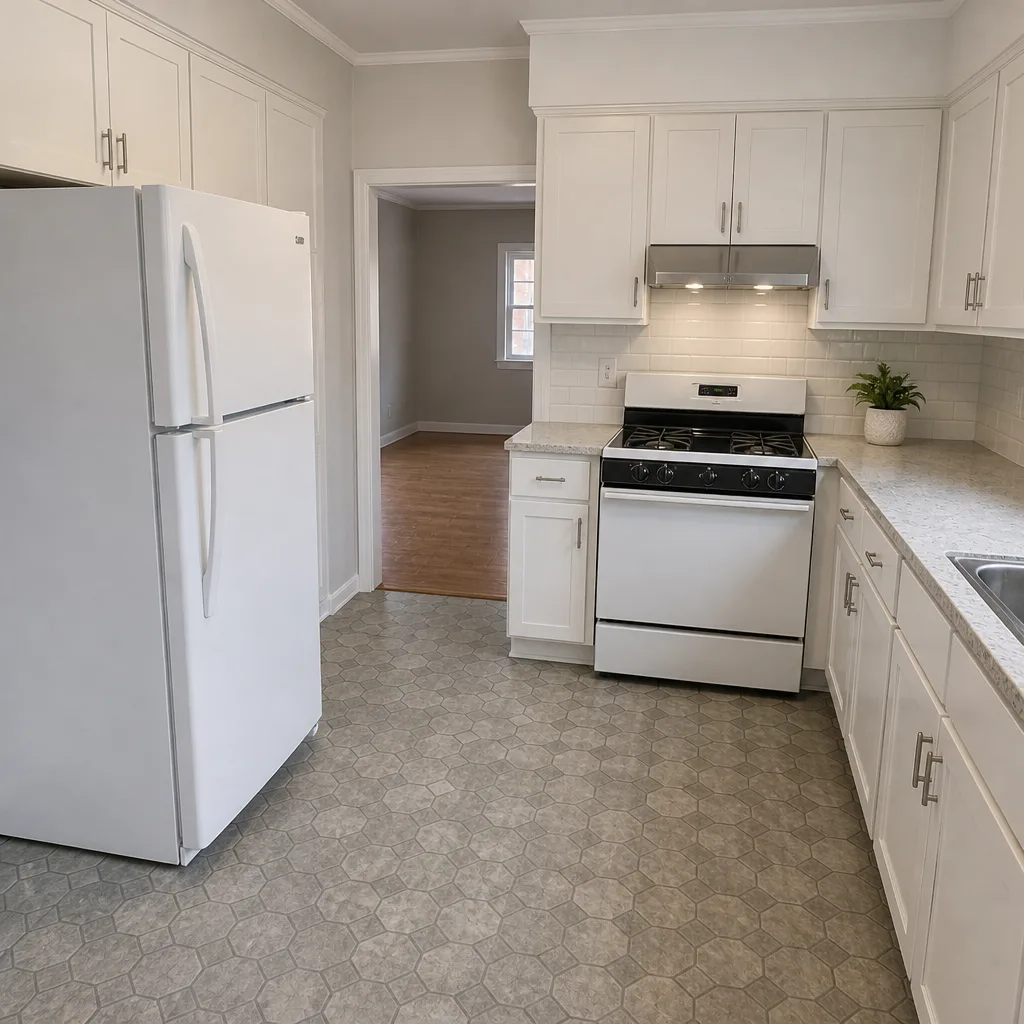
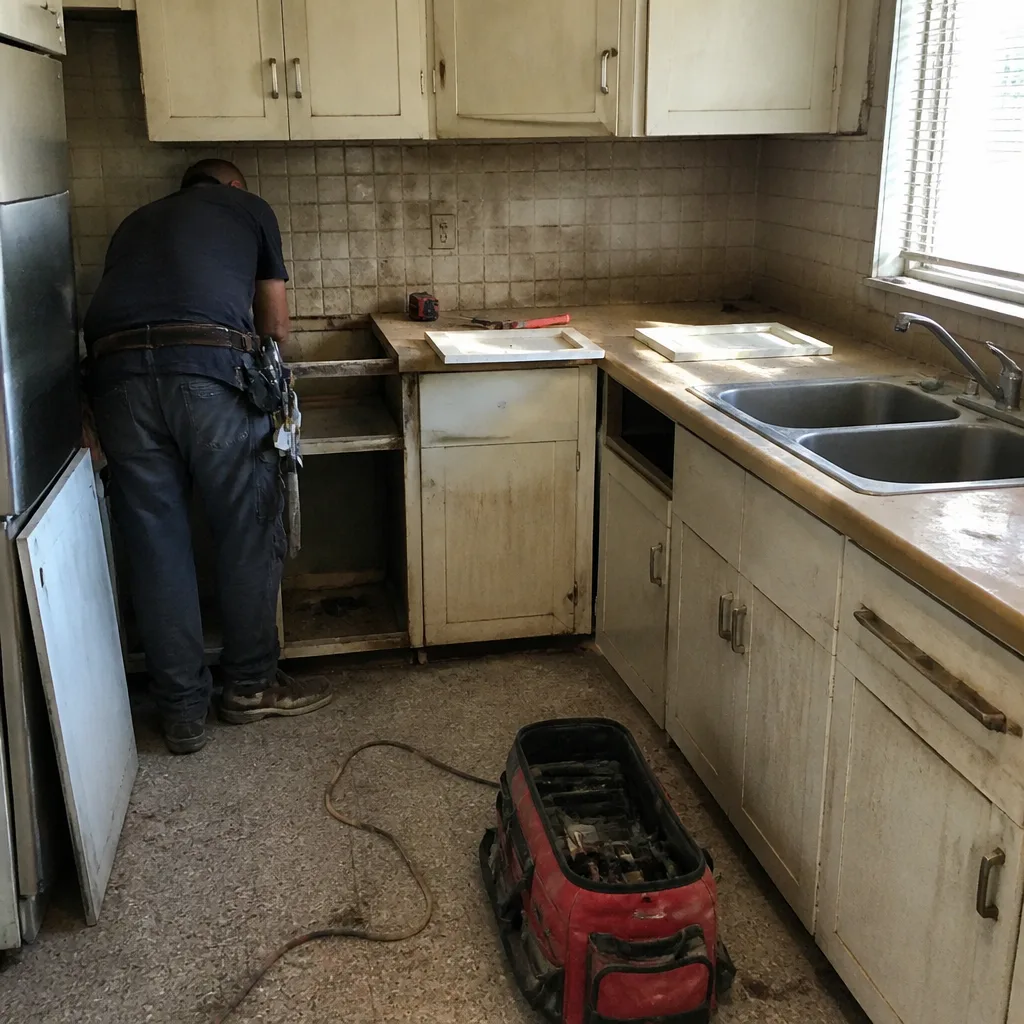
See the difference
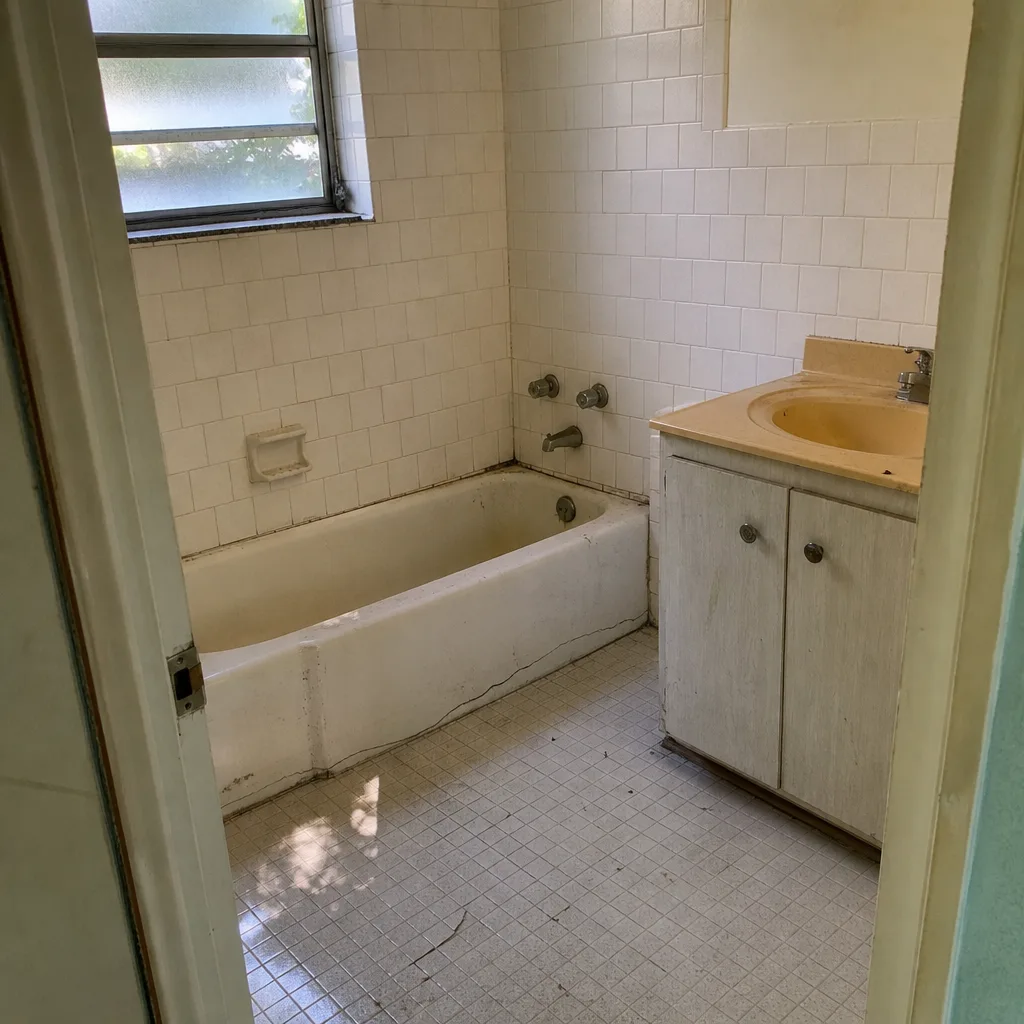 Before
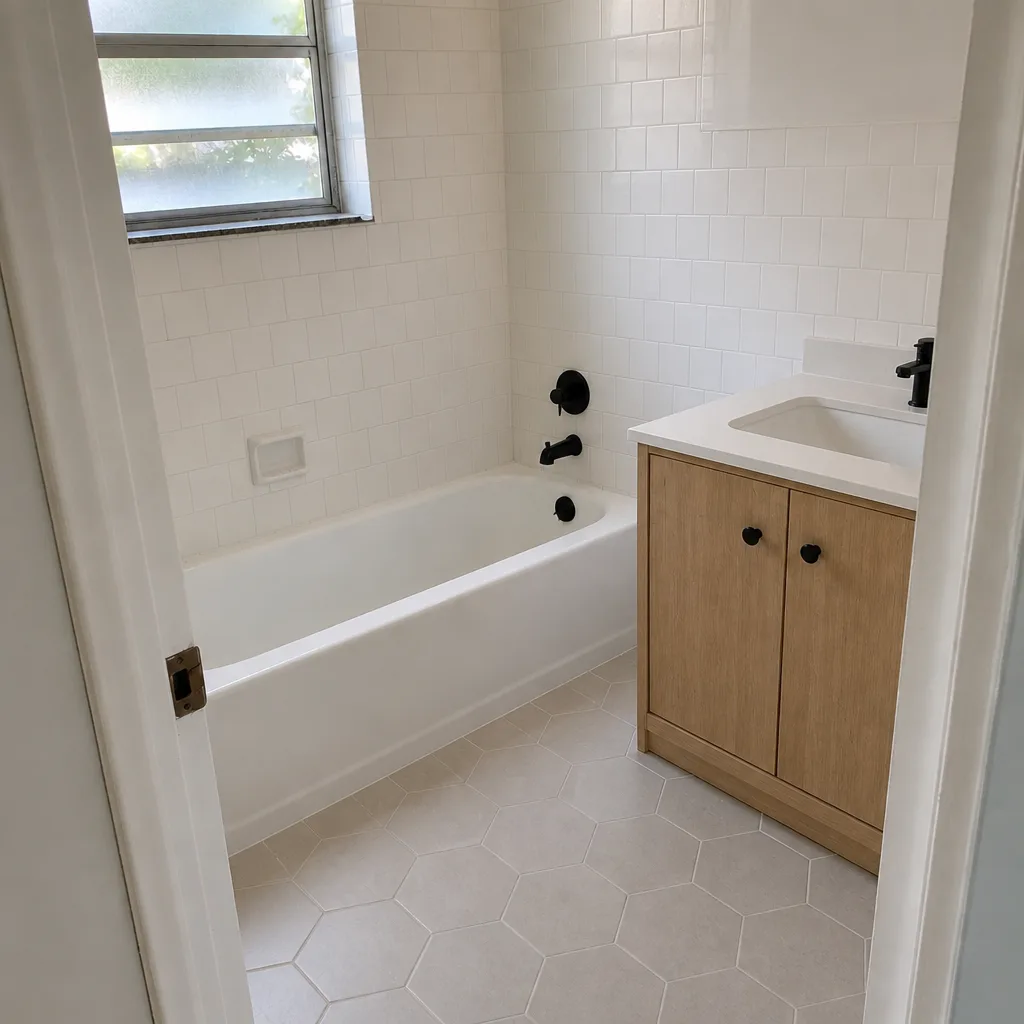 After
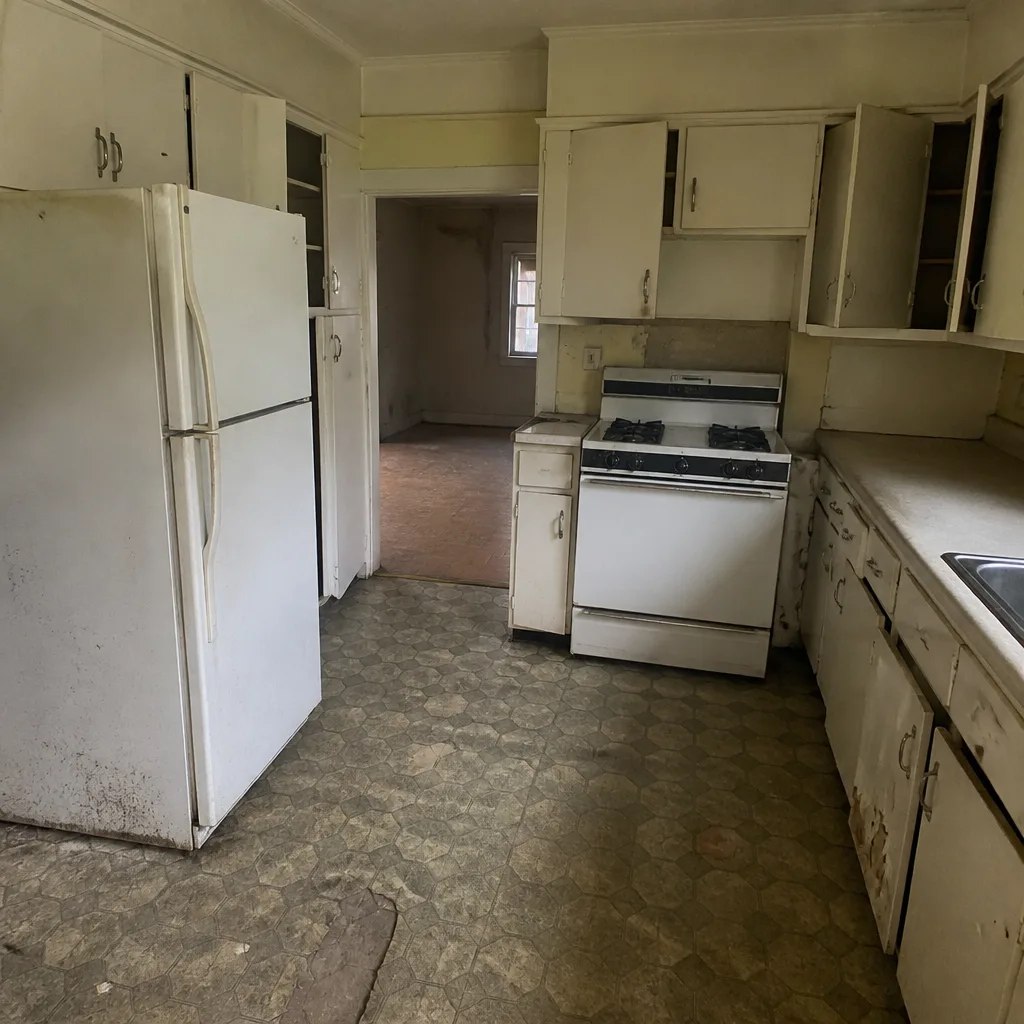 Before
 After
 Before
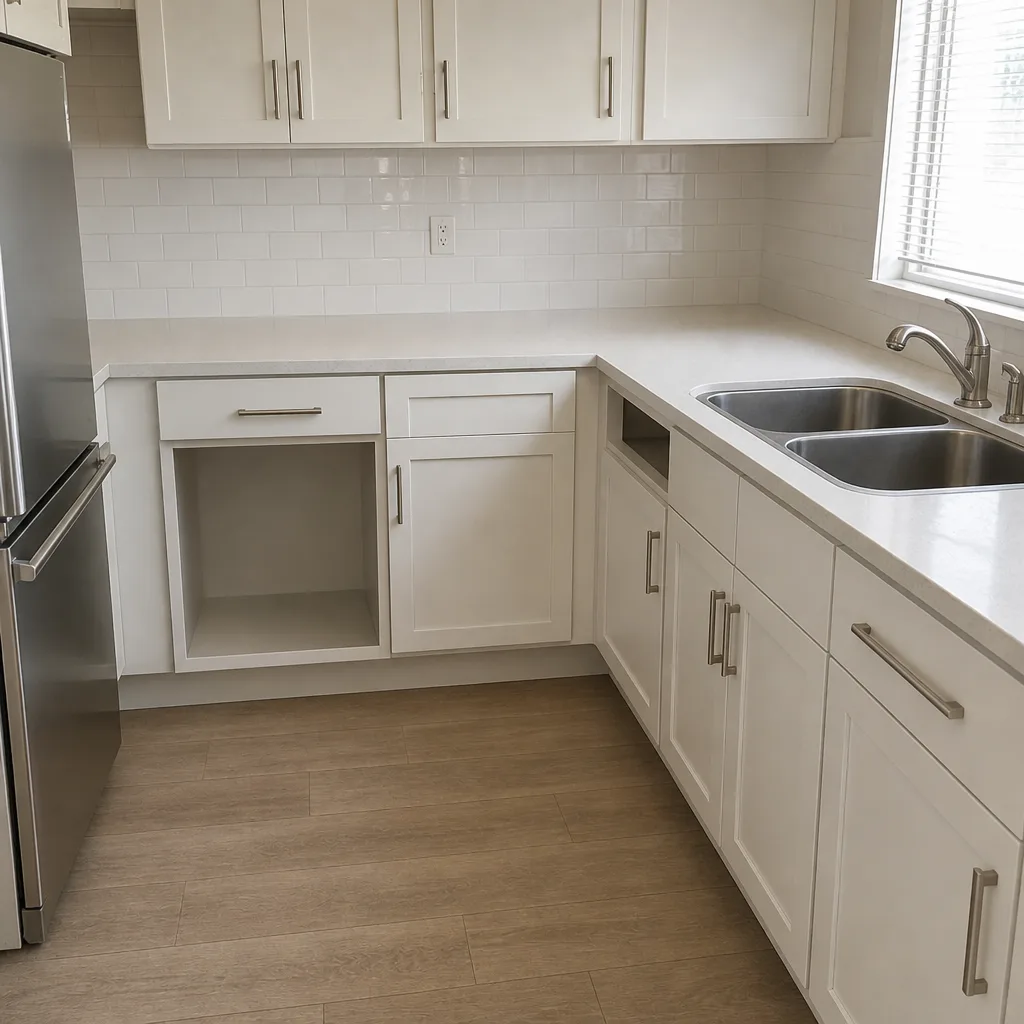 After
When to Call a Professional
Call a professional when a roof penetration is uncertain, when an impact window or door frame shows a failed perimeter seal, when a soffit or fascia panel is loose, or when a paver field has displaced units after a storm. Call when an exterior project needs to happen but the dry-season window is close. Call when you’re planning a multi-phase project and want the sequencing planned around the calendar rather than around your next problem. And call when a maintenance cycle comes due on coated metal, paint, or wood trim, because a scheduled reseal is far simpler than a rescue.
Construction Miami Beach offers free estimates in Miami Beach, with a written line-item quote and a single point of accountability across every scope. Call (844) 320-9310. We answer 24/7. Fast dispatch from 7am to 7pm, Sunday through Friday.
Frequently Asked Questions
Complete the roof and opening inspection before June 1, including perimeter edges, penetrations, soffits, fascia, and impact window seals. That inspection matters more than any single repair, because it tells you where the real exposure is while you still have ten weeks to fix it. Call (844) 320-9310 to schedule an inspection. Estimates are free.
Yes, but it changes shape. Interior work such as kitchen and bath remodels continues uninterrupted, while exterior phases are sequenced around weather and every open roof gets a temporary dried-in membrane at the end of each day. Wet season is a scheduling problem, not a full stop. Call (844) 320-9310 to plan a project around the season.
Check frames, gaskets, and hardware for movement, and look for water staining on the interior jamb, which shows the perimeter seal failed even if the glass held. Impact-rated lines from PGT, CGI, and ECO Window Systems are only as strong as their anchoring and sealing detail. If you’re unsure, get a professional inspection before the next system forms. Call (844) 320-9310. Estimates are free.
Schedule it in the dry season, ideally between November and February, when lead times are shortest and weather is predictable. Roofing systems from GAF, CertainTeed, Owens Corning, IKO, Atlas, and Tamko all need a clean dry-in window to go in correctly. Booking in spring puts you in the pre-season crunch. Call (844) 320-9310 for a written estimate.
Yes. Coated metal, painted stucco and concrete, and wood trim all face sustained salt exposure and high UV here, and they degrade faster than they would inland. Inspection and resealing need to follow the exposure, not a fixed calendar of years. Call (844) 320-9310 to schedule an exterior inspection and estimate.
Interior work can happen any month, but the dry season is still the better time for a full remodel if the project also touches exterior surfaces or has any impact on the building envelope. Cabinetry from KraftMaid and Wellborn and surfaces from Cambria and Silestone are the same in any month. The dry season protects the schedule. Call (844) 320-9310 for a free estimate.
The Bottom Line
Miami Beach doesn’t ask homeowners to plan around four seasons. It asks for one thing: get the inspection and the exterior repairs done before June 1, then manage the wet season with an active job-site routine. Book major exterior work during the dry months from November through April, keep the post-storm inspection protocol on hand, and stay consistent with UV and salt air maintenance all year. None of it is complicated. The mistake is waiting for the problem. One contractor can plan the roof, the openings, the hardscape, and the interior phases together. That’s the whole idea.
Construction Miami Beach brings over 50 manufacturer brand relationships across seven service categories to every project, so you choose materials that perform rather than accept a generic substitute. Call (844) 320-9310 for a free estimate and a written line-item quote. We answer 24/7. Fast dispatch from 7am to 7pm, Sunday through Friday.
Written by the team at Construction Miami Beach.