
Last updated November 16, 2026
 Kitchen remodeling
 Bathroom remodeling
 Home additions & ADU
 Roofing
 Windows & doors
 Driveway & pavers
 Fence
Free written scope consultation - allowances, timeline, and change-order rules on paper before a single trade is scheduled
How to Hire a Construction Contractor in Miami Beach: A Step-by-Step Guide
A contractor can hold a valid Florida license, carry insurance, and still have never pulled a single permit in Miami Beach. That’s the part most hiring guides miss. The city runs a layered approval process that involves more review steps than most municipalities in the state, and a crew that does solid work in Broward or further inland can be completely out of its depth here. License verification and online reviews won’t tell you whether a contractor knows how to get a roof product approved through Miami-Dade’s product control system, or how to read a flood zone map for your block. This guide gives you the questions, the public records to check, and the red flags that separate a contractor who works in Miami Beach from one who merely says so.
Quick Answer
To hire a construction contractor in Miami Beach, verify the state license and local business tax receipt, then interview for Miami-Dade product approval experience, flood zone (BFE) compliance knowledge, and permit history in the city itself. Ask specifically about DERM review and how they handle multi-scope coordination. A clean license and good reviews are the starting line, not the finish. The right questions about local code, flood elevation, and permit logistics will filter out most of the wrong candidates.
Styles & brands we work with
- Kitchen remodeling
- Bathroom remodeling
- Home additions & ADU
- Roofing
- Windows & doors
- Driveway & pavers
- Fence
Table of Contents
- What licenses and certifications actually matter in Miami Beach
- How to read a contractor’s Miami Beach permit history
- The flood zone interview: ask about BFE, not “waterfront experience”
- Miami-Dade product approval and the NOA question
- DERM review and why contractors skip it
- Why single-scope contractors create liability on multi-scope projects
- The interview questions that reveal real local experience
- Red flags unique to Miami Beach construction
What licenses and certifications actually matter in Miami Beach
Florida regulates construction contractors at the state level, and Miami Beach adds its own layer on top. The state license is where you start. For most residential construction work, you’re looking for a Certified General Contractor (CGC) or a Certified Residential Contractor (CRC) license, both issued by the Florida Department of Business and Professional Regulation (DBPR). Roofing, plumbing, electrical, and mechanical work each fall under their own license classes, which is why a roofer can’t legally pull a plumbing permit and a general contractor shouldn’t be doing specialty trade work without a properly licensed trade partner.
Once you’ve confirmed the state license, check the local layer. Miami Beach requires contractors to hold a local business tax receipt to work in the city, and the building department tracks which contractors are authorized to pull permits. A contractor licensed in Florida but not registered locally will often try to have the homeowner pull the permit instead, which shifts legal responsibility onto you.
Here’s what to verify, in order:
- State license number and status. Look it up on the DBPR website. Verify the license class matches the work, and check for complaints or disciplinary actions.
- Local business tax receipt. Confirm the contractor is registered to do business in Miami Beach, not just licensed at the state level.
- General liability insurance. Ask for a certificate of insurance and call the insurer to confirm it’s active. Don’t accept a photocopy without verification.
- Workers’ compensation coverage. If the contractor has employees, this is required in Florida. If they’re exempt, ask for the exemption certificate.
- Trade-specific licenses for specialty work. Roofing, electrical, plumbing, and mechanical each need their own licensed contractor. A general contractor coordinating the project should be able to name who holds those licenses on your job.
A CGC license tells you the contractor passed the state exam and met the experience requirement to qualify. It does not tell you they know Miami Beach’s permit process, which is where the real filtering happens. For homeowners planning a multi-trade project, understanding the full scope of what’s involved in construction in Miami Beach helps you ask better questions about who’s coordinating what.
How to read a contractor’s Miami Beach permit history
Miami Beach’s building department maintains public permit records, and you can search them. Most homeowners never do. That’s a mistake. A contractor’s permit history tells you more about their real local experience than any reference list they hand you.
What’s publicly searchable: permit applications, issued permits, inspection records, and final inspection status. Search by contractor name or license number. You can also search by address to see what’s been permitted on a specific property, which is useful when you’re evaluating a home you’re about to buy or renovate.
Here’s how to read what you find:
- Volume of permits in Miami Beach specifically. A contractor with dozens of permits in the city over several years has navigated the process repeatedly. A contractor with three permits pulled five years ago and nothing since is essentially starting over.
- Inspection pass rates. Look at how many inspections failed and had to be re-scheduled. Some failed inspections are normal, especially on complex projects. A pattern of repeated failures on the same phase of work is a warning sign.
- Open permits. An open permit that’s been sitting unresolved for years is a red flag. It can indicate a contractor who abandoned a job, or one who never got final inspection sign-off. Either way, it’s a problem you don’t want to inherit.
- Permit types. A contractor whose history is all minor interior alterations but who’s proposing a structural addition for your property has a mismatch between their track record and your project.
- Final inspections. Permits closed with a passed final inspection tell you the work was completed and verified. Unclosed permits tell you the opposite.
A clean permit record in Miami Beach looks like a steady stream of permits across multiple project types, most closed with passed finals, and no unexplained gaps. It doesn’t have to be perfect. But it should show that the contractor operates here regularly and closes out what they open.
The flood zone interview: ask about BFE, not “waterfront experience”
Miami Beach has flood zones that affect how structures must be built, elevated, and finished. The key term is Base Flood Elevation, or BFE: the elevation at which a building must be constructed to stay above the projected flood level for its zone. A contractor who can’t explain BFE in plain language hasn’t worked seriously in a regulated flood zone.
The question “have you worked near the water?” is useless. Nearly every contractor in South Florida will say yes. The questions that actually reveal experience are specific:
- “What flood zone is my property in, and what does that mean for my project?” (They should be able to look it up or know how to, not guess.)
- “How does BFE affect the design and materials for this project?” (For additions and new construction, elevation requirements vary by zone.)
- “Have you worked with elevation certificates?” (These are required documentation for many projects in flood zones, and the contractor should know who prepares them.)
- “What’s your experience with FEMA compliance on permitted work?” (Substantial improvement rules apply when renovation costs exceed a threshold percentage of the structure’s value.)
- “How do you handle flood vents and breakaway walls on ground-level enclosures?” (If the project involves any ground-floor or below-BFE space, this matters.)
For projects that reach below the base flood elevation, the materials and construction methods change. That affects everything from foundation work to driveway and pavers installation, where grading and drainage have to account for where water goes during a flood event. A contractor who understands the flood map will ask about drainage before you do.
If a contractor can’t answer basic BFE questions or refers vaguely to “the city will tell us,” that’s a signal. A blank stare when you mention the flood zone is a signal too. It means they haven’t done this before, and your project will be their learning curve.
Miami-Dade product approval and the NOA question
Miami-Dade County requires that certain building products – particularly roofing materials, windows, doors, and structural components – carry a Notice of Acceptance (NOA) or meet the Florida Product Approval system before they can be permitted within the county. These approvals verify that a product has been tested to withstand the wind loads and conditions specific to this region. Not every product on the market has one.
Ask your contractor a direct question: “What’s the NOA number for the roofing product you’re proposing?” If they can’t answer, that’s a problem. The answer tells you whether they’ve actually specified a product that will pass county review or whether they’re planning to figure that out after you sign.
This question applies most directly to roofing, windows, and doors. If you’re considering a roof replacement, the contractor should be able to tell you which manufacturer systems carry the required approvals and why they chose one over another. We work with manufacturers like Tamko and others whose product lines include options that meet county requirements, and we present those alongside other brand options so you can see what’s actually available at different price points. When we discuss window and door products, brands like PGT and CGI come into the conversation because their performance lines are built for regions with demanding wind requirements.
The NOA question filters out a specific kind of contractor: the one who works in Broward or further north, knows the products that work there, and assumes the same products will pass in Miami-Dade. Often they won’t. The project gets held up at plan review, and you’re the one waiting.
DERM review and why contractors skip it
DERM is the Miami-Dade County Department of Environmental Resources Management. For certain construction projects, DERM review is part of the permit process. Projects that involve work near environmentally sensitive areas, stormwater management, or specific land-use categories may require DERM sign-off before the building permit is issued.
It’s a step that contractors who work primarily outside the county often overlook entirely, because their home jurisdiction doesn’t require it. When they encounter it, the project stalls while they figure out what’s needed, who to contact, and how the review process works. That delay falls on you.
The question to ask isn’t “have you heard of DERM?” Almost anyone will say yes. Ask: “For my project, will DERM review be required, and if so, what does that process look like?” A contractor with real Miami-Dade experience will be able to look at your property and tell you fairly quickly whether DERM review is likely to apply, or explain the conditions under which it would.
If you’re adding a fence or doing hardscape work near a protected area, DERM review can become relevant in ways homeowners don’t expect. It’s worth understanding before you plan the scope. Our own work in fence installation regularly puts us in conversations about setbacks and environmental considerations that affect what’s possible on a given property.
Why single-scope contractors create liability on multi-scope projects
Most renovation projects touch multiple trades. A kitchen remodel involves cabinetry, countertops, plumbing, electrical, and often drywall and flooring work. A bathroom remodel involves tile, plumbing, waterproofing, and ventilation. A full exterior project might involve roofing, windows, fence, and driveway work all at once.
When you hire a roofing-only contractor for the roof, a separate window company for the windows, a cabinet installer for the kitchen, and a plumber for the rough-in, you’ve taken on the job of general contractor. You become the coordinator. When one trade’s work blocks another’s, or when two trades have a disagreement about whose scope covers what, you’re the one arbitrating. And when something goes wrong, each contractor can point at the other.
The classic scope gap in Miami Beach looks like this: the roofer installs the new roof, the window contractor installs new windows, but nobody agreed on who’s responsible for flashing and sealing at the window-roof intersection. It leaks. The roofer says it’s the window contractor’s problem. The window contractor says the flashing was part of the roofing scope. You’re the homeowner in the middle.
A better structure, and one we use on multi-scope projects, is a single contractor who holds responsibility for the whole scope. That means:
- One written scope that names every trade and every phase. No handoff between contracts, no “call the other guy” without a written boundary.
- One point of accountability for integration points. Window-to-wall transitions, roof penetrations, plumbing rough-in to finish, cabinet-to-wall fit. These are exactly where multi-contractor projects fail.
- One schedule. Trades that finish in the wrong order cause rework. One party owns the sequence.
- One closeout. Final inspection, punch list, and warranty handoff happen once, not four times.
For a significant project like a home addition & ADU, the coordination challenge gets even bigger because the project spans foundation work, framing, roofing, windows, interior finishes, and utility connections. Structuring that under one contract with one responsible party is a much cleaner path.
The interview questions that reveal real local experience
Before you sign anything, sit down with the top two or three candidates and ask the same set of questions. The contrast between their answers will tell you most of what you need to know.
- “How many Miami Beach permits have you pulled in the last two years, and what were they for?” A contractor who works here regularly can answer easily. One who doesn’t will be vague.
- “Walk me through how you’d get a permit for this project, step by step, including any county-level reviews.” Listen for DERM, product approval, and plan review specifics. The contractor should be able to describe the sequence.
- “What flood zone is my property in?” They should either know or tell you how they’ll look it up. The wrong answer is “probably not in one.”
- “Who pulls the permit, you or me?” The right answer is: the contractor. If they ask you to pull it as the homeowner, decline and move on.
- “Who’s actually doing the work, your employees or subcontractors?” Either answer can be fine, but you deserve to know. If subs are used, ask who supervises them and whose license they’re working under.
- “Can I see a sample written estimate and contract?” Look for line-item pricing, a clear scope description, a payment schedule, and a change-order process. Vague lump-sum estimates with no breakdown are a warning sign.
- “What’s the process when the inspector fails something?” Every contractor has failed an inspection at some point. The answer tells you how they handle it and who bears the cost of rework.
- “Have you worked on a property with a historic designation in Miami Beach?” If your home is in a historic district, this is a critical question. The approval process is longer and less flexible, and a contractor unfamiliar with it will hit walls.
You can also bring the conversation to a specialist. At Construction Miami Beach, our technicians have up to 14 years of experience, and the questions we ask during an estimate are exactly the ones above – because we know what happens when they get skipped downstream. A free walkthrough with specific answers is worth more than a glossy brochure.
Red flags unique to Miami Beach
Some hiring warning signs are universal (no license, no insurance, pressure to sign today). But Miami Beach has its own set of red flags that don’t appear in general contractor-vetting articles. Here’s what to watch for:
- They outsource permit running. Ask directly: “Do you have someone on staff who runs permits, or do you use a third-party permit expediter?” Using an expiter isn’t automatically disqualifying, but a contractor who’s never personally navigated a Miami Beach permit is riding on someone else’s experience. When something goes wrong, they’re dependent on a third party.
- They can’t name the NOA for a proposed roofing product. This is a specificity test. A contractor proposing an unapproved product and saying “we’ll figure it out” or “the supplier handles it” is a contractor who’s going to have delays at plan review. Every roofing proposal should come with product specifics that pass county review.
- They’ve never worked with DERM review. For projects where it applies, they need to know it exists and how it affects the timeline. “First time for everything” is not a confidence-building answer.
- They quote a single fixed number without a scope breakdown. In Miami Beach, where flood zone considerations and product approvals can affect scope, a lump sum with no detail is a lump sum with surprises inside it.
- They can’t explain BFE or act dismissive about it. “We don’t worry about flood zones on interior work” might be true for a pure kitchen refresh, but if you’re adding on, elevating, or working on the ground floor, BFE matters. A contractor who brushes the question off is a contractor who’s not used to being asked.
- They suggest you pull the permit yourself. This shifts legal liability, and some contractors suggest it because they’re not authorized to pull permits in Miami Beach. Decline and use a contractor who pulls their own.
- They can’t produce a current certificate of insurance or list of references from Miami Beach properties specifically. Statewide references are fine but don’t answer the local question. You want names and addresses of projects they’ve completed in the city.
Common Mistakes to Avoid
- Hiring based on the lowest bid. A bid 30% below the next one usually means something is missing from the scope, or the contractor is planning to make it up with change orders. Compare the scope detail, not just the bottom line.
- Not checking the permit history. The public record is there and free to search. Skipping it is the single biggest mistake homeowners make when vetting contractors in Miami Beach.
- Assuming a state license means local experience. A CGC license from the state of Florida doesn’t indicate whether the contractor has ever pulled a permit in Miami Beach. These are two separate credentials.
- Splitting a multi-scope project across multiple contractors without a coordination plan. If you must use multiple contractors, get a written agreement that clearly assigns responsibility for shared scope boundaries like window-to-wall transitions and roof penetrations.
- Accepting a verbal scope. No matter how detailed the conversation was, if it’s not in the written estimate, it’s not in the contract. Verbally-agreed extras vanish at change-order time.
- Skipping the flood zone conversation because the project “doesn’t seem related to water.” Flood zone rules affect exterior work, additions, ground-floor renovations, and even some interior work that touches the building envelope. Verify, don’t assume.
- Paying more than the payment schedule calls for upfront. Large deposits before work begins, or requests for cash payments outside the contract, are warning signs. A written schedule tied to milestone completions is standard.
See the difference
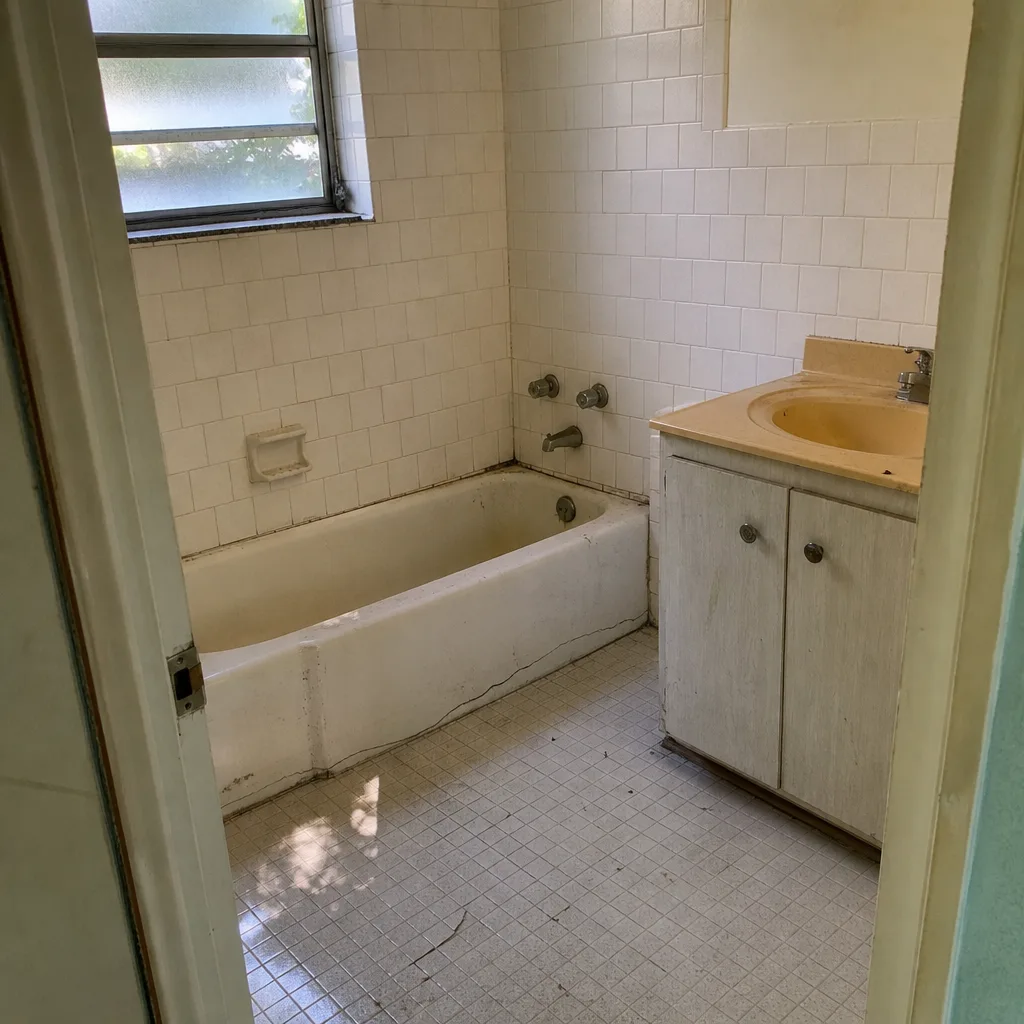 Before
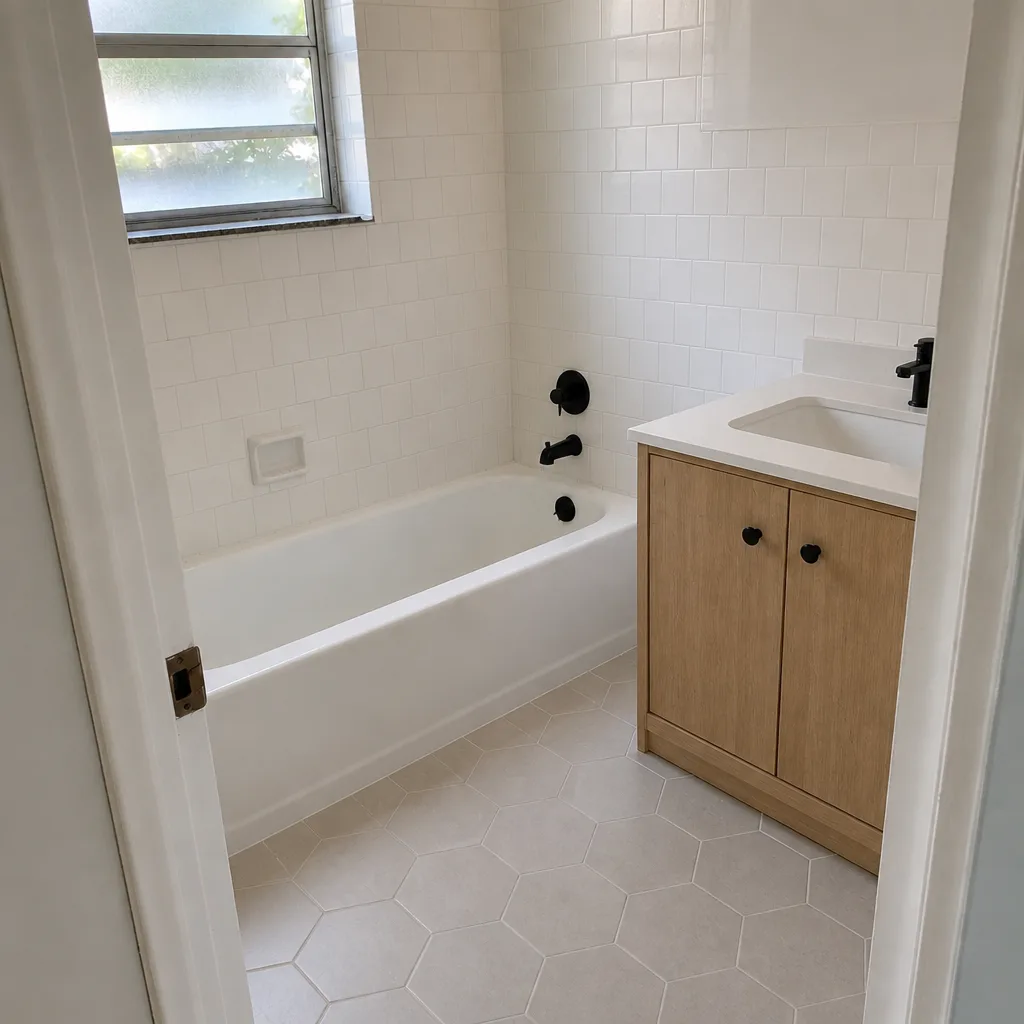 After
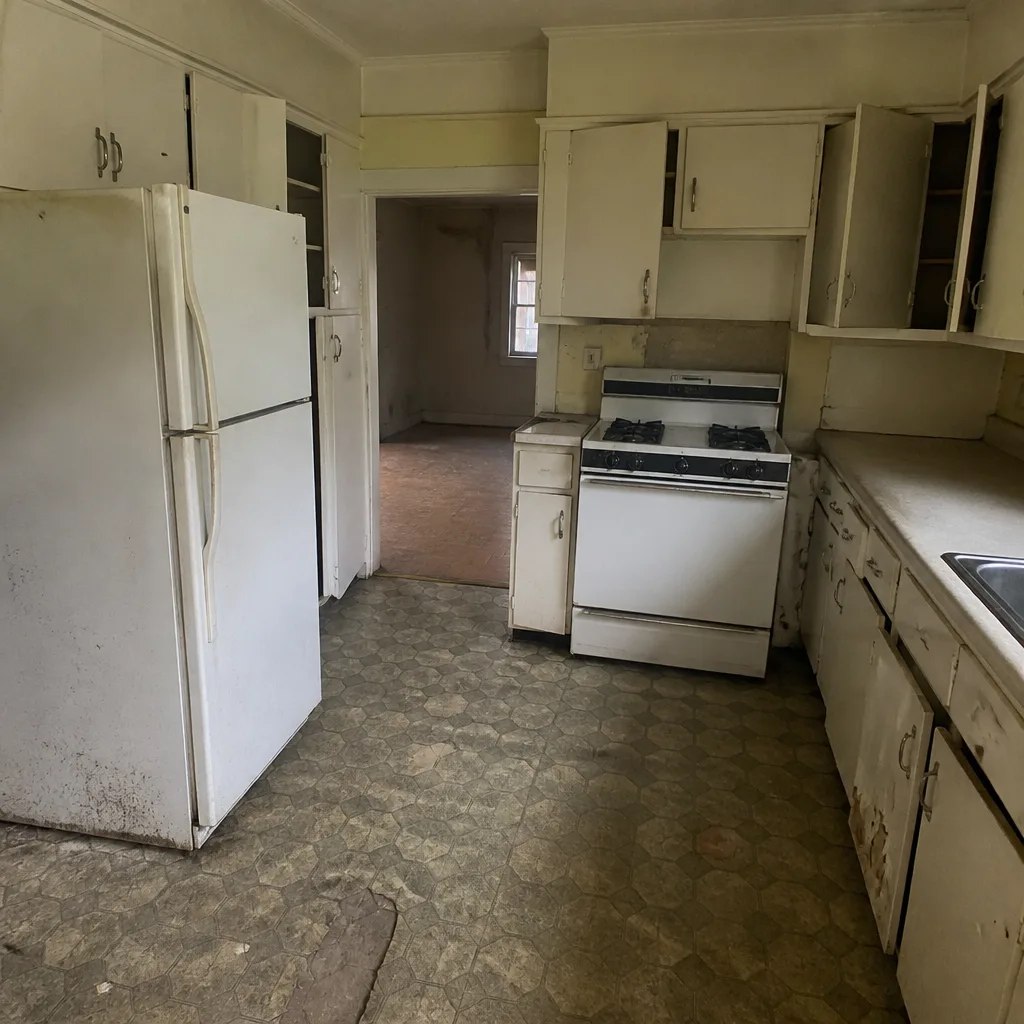 Before
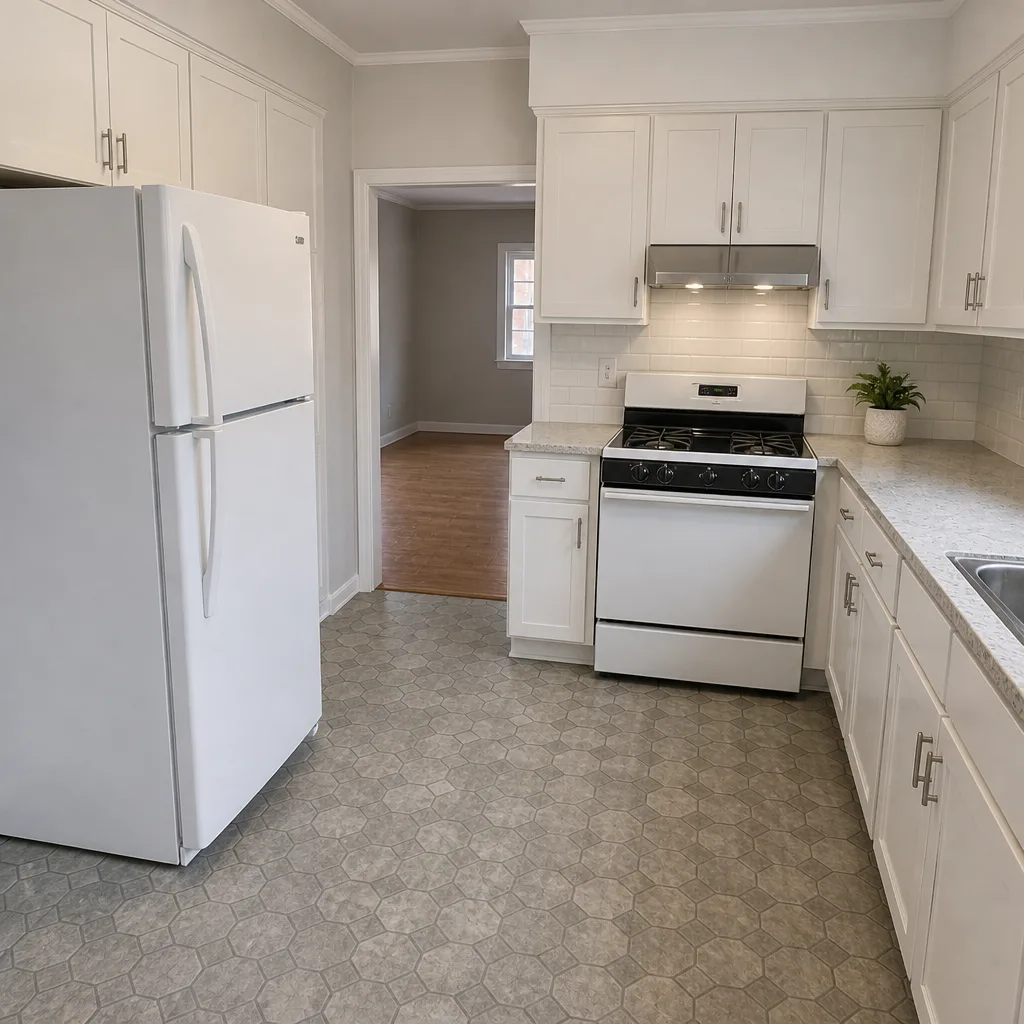 After
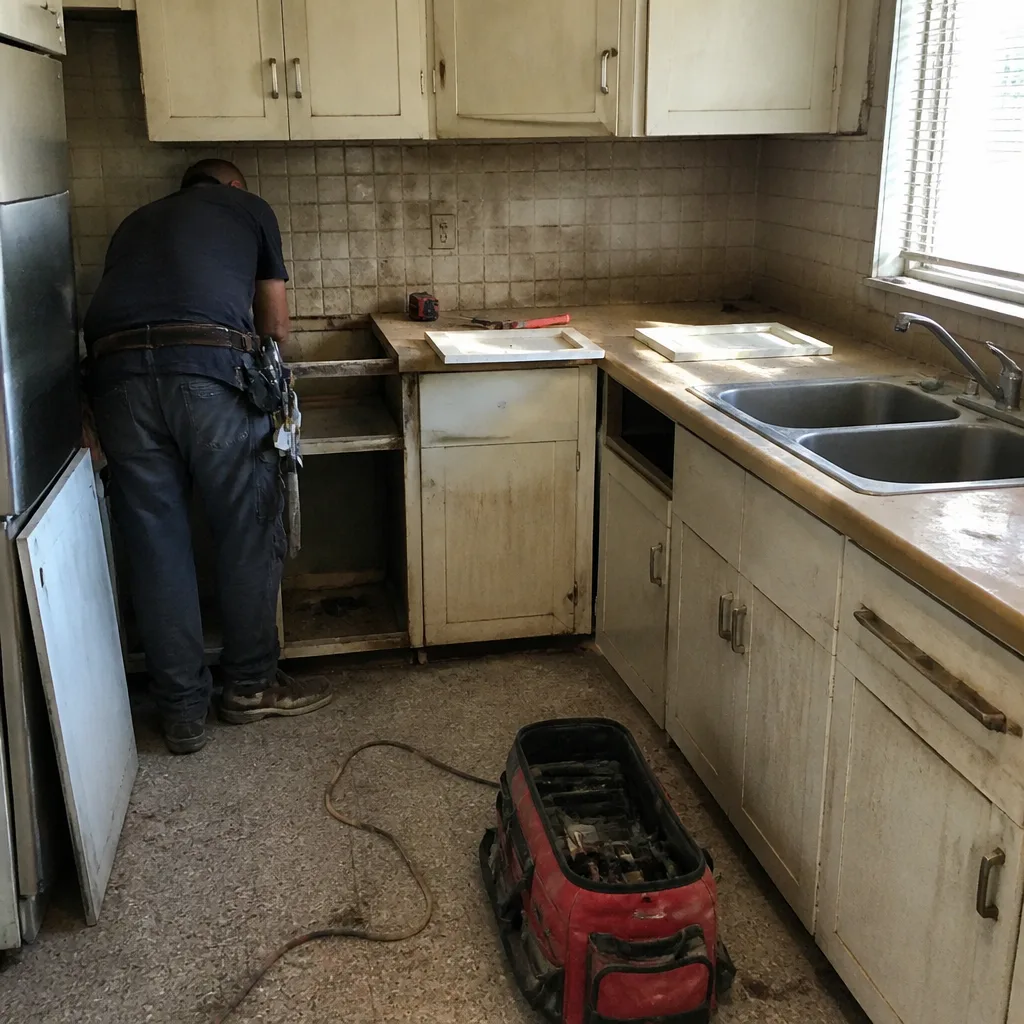 Before
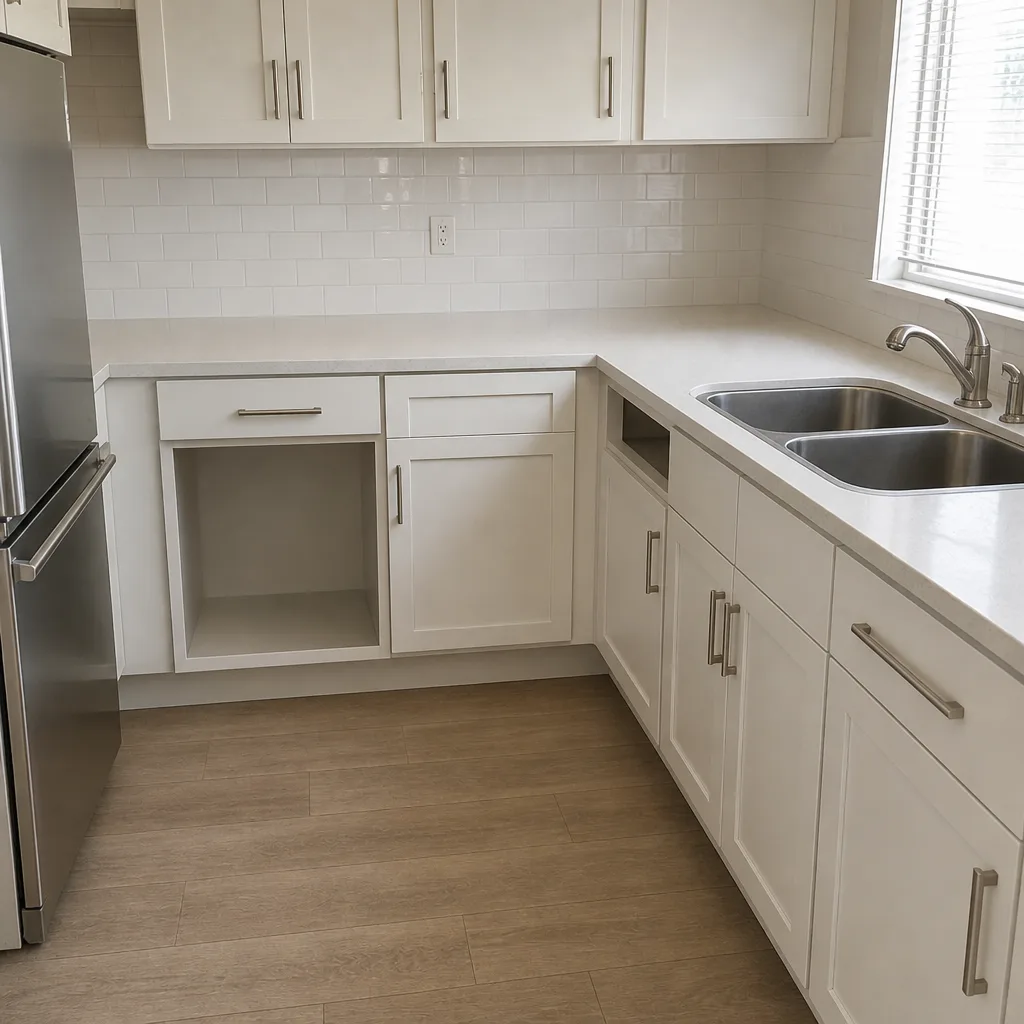 After
When to Call a Professional
Some work can reasonably be handled by a capable homeowner. Most of it shouldn’t be. Call a professional when the project touches structural elements, electrical systems, plumbing supply or drain lines, gas lines, or anything that requires a permit. In a flood zone, even work that seems cosmetic on the surface may require permit and inspection if it’s part of the building envelope or affects how the structure performs during a flood event.
You should also call a professional when you’re planning a multi-scope project and don’t want to spend the next three months scheduling trades and mediating their scope disagreements. And you should call when you’re doing an addition, ADU, roof replacement, window and door replacement, or a full kitchen or bathroom remodel. These projects span multiple trades, and the coordination challenge alone justifies a single accountable contractor.
Construction Miami Beach offers free estimates in Miami Beach – call (844) 320-9310 to schedule a walkthrough. We answer 24/7. Fast dispatch from 7am to 7pm, Sunday through Friday.
Frequently Asked Questions
Look up the contractor’s state license number on the Florida DBPR website, verify the license class matches the work, and check for complaints or disciplinary actions. Then confirm they hold a local business tax receipt for Miami Beach and are registered with the city’s building department to pull permits. If they can’t or won’t provide both, don’t hire them. Call (844) 320-9310 for an exact quote – estimates are free.
You can hire trades directly, but you take on the general contractor role yourself – coordinating schedules, resolving scope gaps, and holding responsibility when work conflicts. For a single-trade job like a fence or a driveway, hiring the trade directly is fine. For a multi-trade project like a kitchen remodel or addition, a single contractor who owns the whole scope costs less in the long run. Call (844) 320-9310 for a free scope review – estimates are free.
NOA stands for Notice of Acceptance, and it’s Miami-Dade County’s verification that a specific building product has been tested to meet wind load and product performance standards for the region. Roofing materials typically require an NOA or equivalent approval before they can be permitted. Ask your contractor for the NOA number on any proposed roofing product – if they can’t provide it, the product may not pass county review. Call (844) 320-9310 to discuss approved options – estimates are free.
Miami Beach has multiple flood zones, and properties within them are subject to Base Flood Elevation (BFE) requirements for new construction, additions, and substantial improvements. Ground-floor and below-BFE work usually requires specific materials, flood vents, or breakaway construction methods. Projects that exceed certain cost thresholds relative to the structure’s value may trigger additional compliance requirements. Your contractor should be able to explain how your flood zone affects your specific scope. Call (844) 320-9310 for a free estimate.
Payment schedules should be tied to project milestones, not calendar dates. A common structure is a moderate deposit at signing, additional draws at defined completion points (like framing, rough-in, or finish), and a final payment after closeout and passed final inspection. Avoid any contractor who asks for most of the money upfront or requests payments outside the contract. Call (844) 320-9310 to review a written scope and schedule – estimates are free.
It shouldn’t if the scope is fixed and the estimate is written in detail. Price changes should only come from documented change orders, and those should be approved in writing before the additional work is done. In Miami Beach, some scope adjustments happen when plan review or flood zone review requires it, so the best protection is a detailed written scope and a clear change-order process. A written estimate sets the final price for the scope it covers. Call (844) 320-9310 for an exact quote – estimates are free.
The Bottom Line
Hiring a construction contractor in Miami Beach means verifying more than a state license and a few online reviews. Check the state license on DBPR, confirm local business tax registration, and search their permit history in the city. Ask about BFE and flood zones. Ask for an NOA on any roofing product. Ask whether they know how DERM review works. Ask what happens when one trade’s scope ends and another begins. A contractor with real Miami Beach experience can answer every one of those questions without reaching for a phone. A contractor who can’t answer them is going to hit walls, and you’ll be the one waiting at each one. One contractor who owns the whole scope – from the footing to the ridge cap – eliminates the coordination gaps that sink most multi-trade projects.
We work with over 50 manufacturer brand partnerships across roofing, windows, cabinetry, countertops, plumbing fixtures, fencing, pavers, and ADU systems, so we can show you options at different price points and explain the real trade-offs. We’re licensed and insured, we pull permits and pass inspections, and we work with your insurer when relevant. Call (844) 320-9310 for a free estimate. We answer 24/7. Fast dispatch from 7am to 7pm, Sunday through Friday.
Written by the team at Construction Miami Beach.